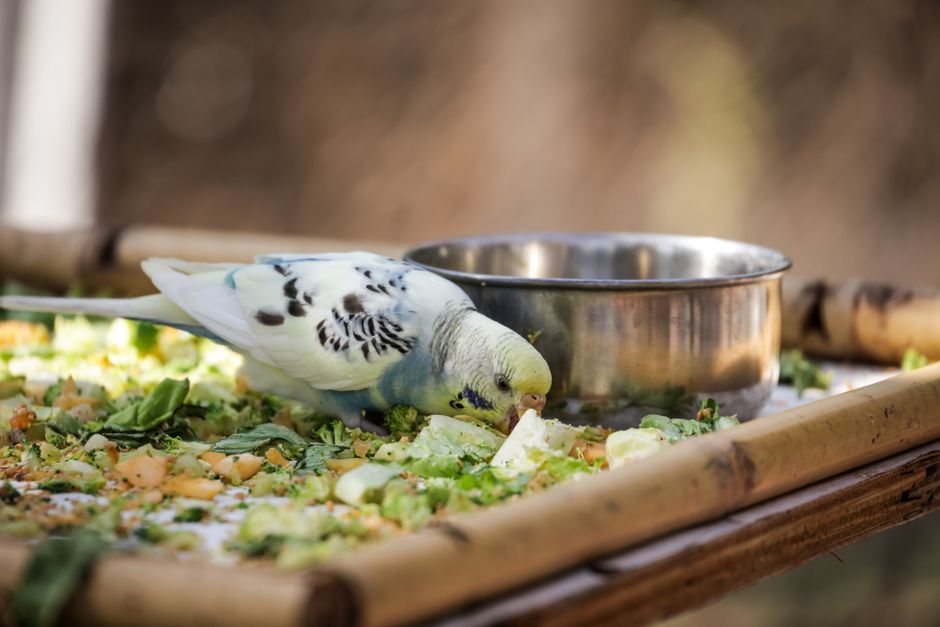
Feeding your bird well isn’t complicated — but it does require knowing which foods are genuinely beneficial and which ones can quietly cause harm. The problem with most safe foods for pet birds list articles online is that they’re either too vague (“fruits and vegetables are good!”) or so long they’re impossible to use practically.
This list is different. Every item here was selected based on nutritional value, species compatibility across common pet birds (budgies, cockatiels, conures, African greys, canaries), and real-world accessibility — foods you can find at any grocery store. Each entry includes what makes it worth adding to your bird’s diet and how to serve it correctly.
Fresh foods should complement a quality pellet-based diet, not replace it. Think of this list as the upgrade layer on top of a solid foundation — the difference between a bird that survives and one that thrives.
1. Leafy Greens and Fresh Herbs
Leafy greens are one of the highest-impact additions you can make to a bird’s diet. They’re dense with vitamins A, C, and K, plus calcium, iron, and folate — nutrients that directly support immune function, bone density, and feather quality.
Best leafy green options:
- Kale — excellent calcium content and vitamin A; most birds take to it within a few offerings
- Romaine lettuce — mild, hydrating, and almost universally liked
- Swiss chard — strong vitamin K source; vibrant color birds often find stimulating
- Arugula — peppery flavor many birds find interesting
- Dandelion greens — genuinely underrated; naturally rich in vitamins A, C, and calcium, with a slightly bitter flavor that many birds find appealing
- Spinach — nutritious but contains oxalic acid, which binds to calcium and inhibits absorption; feed in rotation rather than daily
Skip iceberg lettuce entirely — it’s nearly all water with minimal nutritional return.
Fresh Herbs Are Worth Including
Parsley, cilantro, basil, dill, and mint are all safe and packed with micronutrients. Many birds respond more enthusiastically to herbs than to plain lettuce because the aroma is more stimulating — fresh cilantro, especially, tends to get an immediate reaction. Offering a sprig of fresh parsley or a few cilantro leaves takes seconds and adds real nutritional variety.
Serve all greens raw and thoroughly washed. Never add salt, oil, vinegar, or any seasoning. Discard uneaten greens within two to three hours, especially in warm environments — bacterial growth happens fast in moist, room-temperature food.
2. Fruits and Berries
 Foto: Alexandra_Koch
Birds have a natural affinity for fruit, and that instinct is working in their favor. Fruits provide fast-burning energy, antioxidants, and vitamins that keep the immune system resilient and feathers vibrant.
Safe fruits for most pet birds:
- Blueberries — one of the best antioxidant sources available; small enough to serve whole
- Mango — exceptionally high in vitamin A and beta-carotene, both critical for feather and skin health
- Papaya — contains papain, a digestive enzyme that supports gut health; remove seeds
- Strawberries — high in vitamin C and usually very popular with birds
- Kiwi — serve in small portions; rich in vitamin C and potassium
- Watermelon — seedless only; excellent hydration and a good warm-weather treat
- Pomegranate — seeds are safe and the texture engages birds physically
- Apple — always remove the core and seeds completely before serving
The Avocado Rule and Other Exclusions
Avocado is toxic to birds without exception. The compound persin found throughout the fruit — flesh, skin, and pit — causes respiratory distress and cardiac failure. Even a small amount can be lethal.
Also avoid: rhubarb, any fruit with pits still intact (cherries, peaches, apricots, plums), and grapes in very large quantities for smaller birds. The fruit flesh of stone fruits is generally fine; it’s specifically the pits that are dangerous due to cyanogenic compounds.
Keep fruit to roughly 10–15% of the total daily diet. Natural sugar is still sugar, and excess intake can lead to yeast overgrowth and weight gain over time.
3. Vegetables
Vegetables fill out a bird’s diet beautifully — they deliver vitamins and minerals without the sugar load of fruit, making them ideal for daily rotation.
Top vegetable picks:
- Bell peppers (red, yellow, orange) — one of the richest sources of vitamin C and beta-carotene you can offer; birds often enjoy carrying them around
- Carrots — serve raw, grated or cut into small chunks; high in vitamin A and naturally crunchy
- Broccoli — both florets and stems are fine; solid source of calcium and vitamin C
- Corn — frozen or lightly cooked; most birds love the texture
- Peas — fresh or frozen, serve thawed; good plant-based protein and fiber
- Zucchini — mild flavor, easy to digest, contributes to hydration
- Sweet potato — cook plain without butter, salt, or seasoning; excellent vitamin A content
- Beets — wash thoroughly; the deep color can stain feathers temporarily but is harmless
Raw vs. Cooked
Most vegetables are nutritionally superior when served raw. However, a few — sweet potato, butternut squash, and hard root vegetables — are more digestible and appealing to birds when lightly steamed or baked without additives.
If you microwave anything, let it cool completely and stir thoroughly to eliminate hot spots. Temperature burns in birds are a real risk and often go unnoticed until damage is already done. Birds don’t vocalize pain the way mammals do — by the time you notice something is wrong, a thermal burn to the crop or esophagus may already require veterinary care.
4. Grains, Legumes, and Cooked Foods
 Foto: Andy Barbour
Cooked grains and legumes are genuinely valuable additions that provide complex carbohydrates, plant protein, iron, and fiber that seed mixes don’t cover — and most bird owners underutilize them.
Safe cooked grains:
- Brown rice (plain)
- Quinoa — a complete protein; rinse thoroughly before cooking to remove saponins, the naturally occurring compounds that make unrinsed quinoa bitter and mildly irritating to the digestive tract
- Whole wheat pasta (plain, no sauce)
- Oats — rolled or steel-cut, cooked and cooled
- Barley
Safe legumes (always cook thoroughly):
- Lentils — high in iron and plant protein
- Chickpeas — great texture; birds often enjoy carrying them
- Black beans
- Kidney beans — must be fully cooked; raw kidney beans contain phytohaemagglutinin, which is toxic
Cooked eggs are a complete protein source and safe in small amounts. Scrambled or hard-boiled, plain — no butter, oil, salt, or seasoning. Offer occasionally rather than daily.
All cooked foods should be served fresh and removed within two to three hours. Warm, moist food breeds bacteria rapidly, and birds’ digestive systems are sensitive to contamination.
5. Seeds and Nuts Beyond the Seed Mix
Seeds are the default diet for many pet birds, but commercial mixes are often nutritionally incomplete — high in fat and low in vitamins. That said, specific seeds and nuts offered as controlled additions are legitimately healthy.
Seeds worth rotating in:
- Hemp seeds — one of the best omega-3 sources available for birds
- Flaxseed — grind before serving for better absorption
- Chia seeds — mix into wet food rather than serving dry, as they expand when hydrated
- Sunflower seeds — high fat content, so treat these as an occasional reward, not a staple
Safe nuts (unsalted, raw or dry-roasted only):
- Almonds
- Walnuts
- Pecans
- Brazil nuts (in very small quantities — extremely calorie-dense; one nut per serving for large parrots is plenty)
Never give salted, flavored, or seasoned nuts. Avoid peanuts in the shell — they’re prone to aflatoxin mold contamination, which is highly toxic to birds. Shelled peanuts from a reputable source are generally considered safe, but remain a risk; if you offer them at all, source carefully from suppliers that test for aflatoxin.
Bird-by-Bird Comparison
Not every species benefits equally from every food. Here’s a practical overview:
| Food | Budgies | Cockatiels | Parrots (medium/large) | Canaries/Finches |
|---|---|---|---|---|
| Leafy greens | ✅ | ✅ | ✅ | ✅ |
| Bell peppers | ✅ | ✅ | ✅ | ✅ |
| Mango / Papaya | ✅ | ✅ | ✅ | Small amounts |
| Nuts | Rarely | Occasionally | ✅ | ✗ |
| Cooked legumes | Small amounts | ✅ | ✅ | ✗ |
| Cooked egg | Occasionally | Occasionally | ✅ | Occasionally |
| Cooked grains | ✅ | ✅ | ✅ | Small amounts |
Smaller birds have proportionally smaller caloric needs. What’s a reasonable serving for an African grey can be a full day’s intake for a budgie.
6. Foods That Are Never Safe
 Foto: lecroitg
No safe foods for pet birds list is complete without the other side of the equation. Some foods are toxic in ways that aren’t obvious, and some can be fatal even in small amounts.
Never offer these to your bird:
- Avocado — persin causes respiratory failure and heart damage; no exceptions
- Chocolate — theobromine toxicity; even small amounts can kill small birds quickly
- Caffeine — coffee, tea, energy drinks, and anything caffeinated causes cardiac arrhythmia
- Onions and garlic — cause hemolytic anemia in significant quantities; avoid altogether to be safe
- Apple seeds and stone fruit pits — contain cyanogenic glycosides that release cyanide
- Raw kidney beans — toxic; always cook thoroughly
- Salt — birds’ kidneys process sodium very differently from mammals; even moderate amounts can cause kidney damage
- Xylitol — artificial sweetener found in many sugar-free products; highly toxic
- Mushrooms — unpredictable toxicity across species; not worth the risk
- Alcohol — extremely dangerous; even residues from fermented fruit can cause problems
When in doubt, don’t offer it. The default should always be confirmed safe, not assumed safe.
Summary: The Best Picks to Start With
If you’re building a fresh food rotation from scratch, here’s a practical shortlist that works across most pet bird species:
Daily staples:
- Leafy greens (kale, romaine, Swiss chard, or arugula)
- Bell peppers
- A quality pellet diet as the nutritional foundation
Several times per week:
- Carrots, broccoli, peas, or zucchini
- Fresh fruit in small portions (blueberries, mango, papaya, or strawberries)
- Cooked quinoa, lentils, or brown rice
Occasional treats:
- Species-appropriate nuts (unsalted)
- Hemp or flaxseed
- Plain cooked egg
Variety is the real goal. A bird eating the same seed mix every day is missing out on nutrients and mental engagement. Introduce new foods one at a time — it lets you monitor reactions and helps your bird build acceptance of new textures and flavors at a manageable pace.
If your bird is resistant to new foods initially, try placing the new item next to a familiar favorite, or eating it yourself in front of them — birds are social eaters and curiosity often wins eventually.
Upgrading your bird’s diet doesn’t require a dramatic overhaul. Pick one food from this list, offer it this week, and build from there. Consistent variety compounds into dramatically better long-term health — and you’ll see it in your bird’s energy, feather condition, and behavior.
Frequently Asked Questions
What leafy greens are safest for pet birds?
Kale, romaine lettuce, Swiss chard, arugula, and dandelion greens are excellent choices rich in vitamins A, C, K, calcium, and iron. Avoid iceberg lettuce—it’s mostly water with minimal nutrition.
Why should I include fresh herbs in my bird’s diet?
Herbs like parsley, cilantro, basil, dill, and mint provide nutritional variety and mental stimulation. They’re nutrient-dense additions most birds find appealing.
Can birds eat spinach every day?
No. While nutritious, spinach contains oxalic acid that binds to calcium and inhibits absorption. Feed spinach in rotation rather than daily to prevent mineral imbalances.


