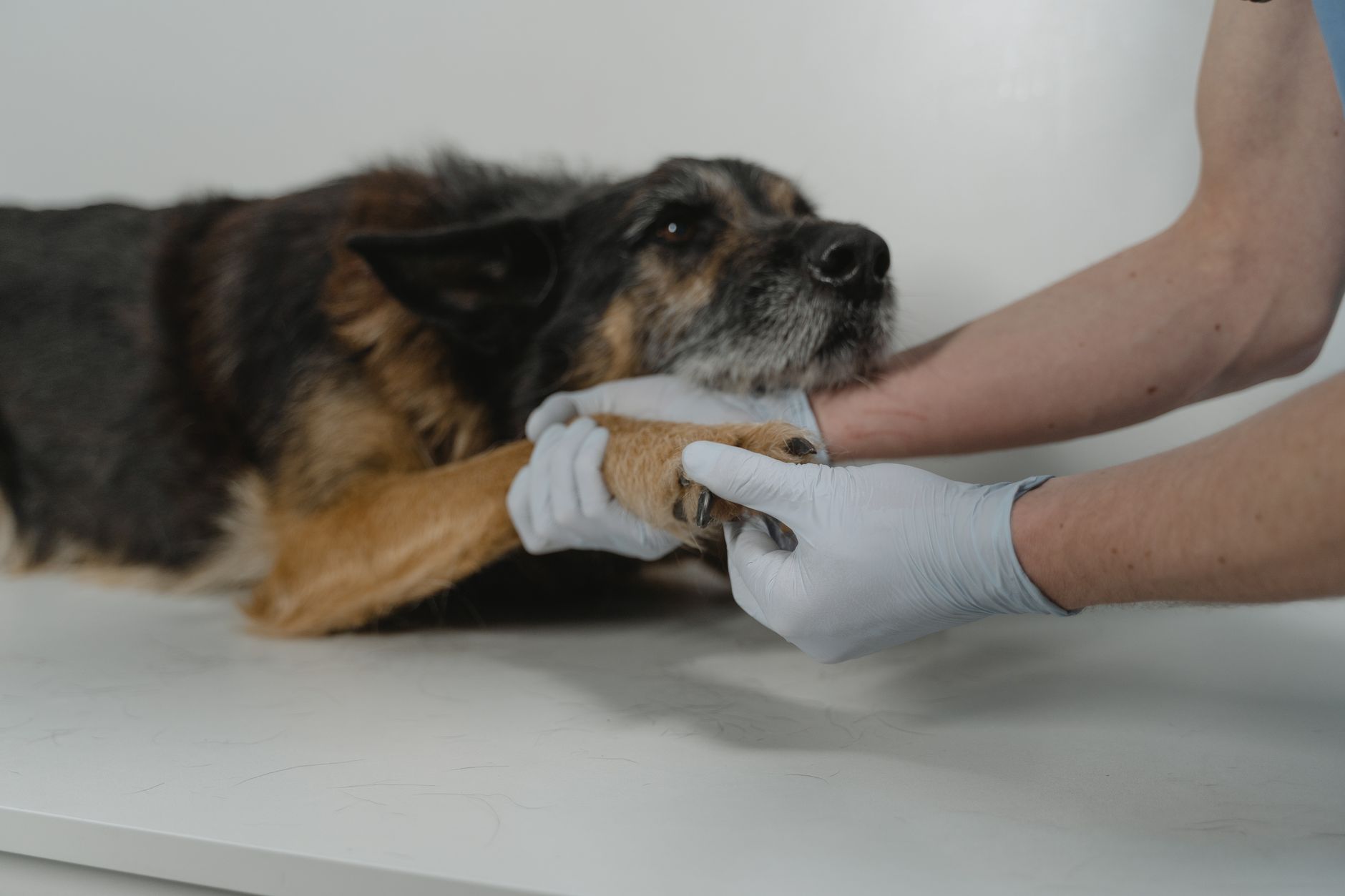
Vet care is one of the biggest ongoing costs of dog ownership — and prices keep climbing. The average dog owner in the US spends between $700 and $1,500 per year on veterinary care, and that number can spike dramatically with a single emergency or chronic condition. This list focuses on practical, proven strategies that actually work: things that cut costs at the source, protect your dog’s long-term health, and don’t require you to gamble with their wellbeing to save a few dollars.
1. Invest in Preventive Care Before Problems Start
The single most effective way to keep vet bills low is to prevent expensive conditions from ever developing. Skipping annual wellness exams to “save money” is one of the most common — and costly — mistakes dog owners make.
Preventive visits catch problems early. A $60 checkup that spots early kidney disease or a heart murmur can prevent a $3,000 hospitalization later. Vets use these appointments to check bloodwork, update vaccinations, screen for parasites, and assess your dog’s weight and dental health — all things that, left unchecked, lead to serious and expensive conditions.
Parasite prevention is another area where spending a little saves a lot. Heartworm treatment costs anywhere from $1,000 to $3,000 and carries real health risks — including a months-long restricted exercise protocol that’s hard on active dogs. A monthly preventive runs around $6–$15. The math isn’t complicated.
What to prioritize at annual visits:
- Dental screening (dental disease affects 80% of dogs by age 3 and leads to organ damage if untreated)
- Weight check (obesity dramatically increases risk of diabetes, joint disease, and cancer)
- Parasite screening and prevention update
- Age-appropriate bloodwork, especially for dogs over 7
2. Get Pet Insurance — But Choose It Wisely
Pet insurance divides dog owners, mostly because people who bought the wrong policy feel burned. But the right coverage genuinely changes the financial math when something serious happens.
A torn ACL repair costs $3,500–$7,000. Cancer treatment can run $5,000–$20,000. If your dog has one of these events and you have good insurance, you’re paying your deductible and a percentage copay. Without it, you’re either taking on serious debt or making a heartbreaking decision.
The key is buying it young and healthy, before any conditions become “pre-existing.” Most insurers won’t cover hereditary conditions diagnosed before enrollment, which is why waiting until your dog shows symptoms is the wrong move.
Comparing the main pet insurance options
| Provider | Monthly Cost (avg) | Reimbursement | Covers Hereditary? | Wellness Add-on |
|---|---|---|---|---|
| Healthy Paws | $30–$50 | 70–90% | Yes | No |
| Trupanion | $30–$65 | 90% | Yes | No |
| Embrace | $25–$55 | 70–90% | Yes | Yes |
| Lemonade | $15–$45 | 70–90% | Yes | Yes |
| Nationwide | $35–$70 | 50–70% | Limited | Yes |
Read the fine print on exclusions, annual limits, and whether the reimbursement is based on actual vet bills or a “benefit schedule.” Actual vet bill reimbursement is nearly always better. Benefit schedules — which pay fixed amounts regardless of what the vet charges — can leave you covering hundreds of dollars on a $2,000 procedure.
3. Learn Basic At-Home Care Skills
There’s a meaningful gap between “tasks only a vet should do” and “things owners do because they never learned otherwise.” Closing that gap saves real money.
Brushing your dog’s teeth is the clearest example. Professional dental cleanings under anesthesia cost $300–$700 and need to happen every 1–3 years for most dogs. Daily tooth brushing dramatically reduces how often that’s necessary. If you’ve never started, it takes about two weeks of gradual introduction — using a finger brush and dog-safe toothpaste — to get most dogs comfortable with it.
Nail trims, ear cleaning, and coat maintenance work the same way. Groomers and vets charge for these services, and they add up fast. A $20 pair of nail clippers and five minutes every two to three weeks is all you need once you learn the technique. The key is avoiding the quick — the blood vessel inside the nail — which is visible in dogs with light-colored nails and requires a flashlight to spot on darker ones.
For dogs with floppy ears prone to infections, a weekly ear check and wipe with a vet-approved cleaner prevents the $150+ infection visits. Breeds like Cocker Spaniels, Basset Hounds, and Labrador Retrievers are especially susceptible. You’re looking for redness, odor, or dark discharge — any of those warrants a vet call.
Skills worth learning at home:
- Toothbrushing (daily, or minimum 3x per week)
- Nail trimming (every 2–3 weeks)
- Ear inspection and cleaning (weekly for floppy-eared breeds)
- Checking for lumps, skin changes, and eye or coat abnormalities
- Recognizing signs of pain or illness early
4. Ask Your Vet the Right Questions
Most people don’t negotiate with their vet, and most vets don’t volunteer cheaper alternatives unless asked. That doesn’t mean you can’t have a direct, respectful conversation about costs.
When a vet recommends a treatment or test, ask: “Is this necessary right now, or is this a watch-and-wait situation?” and “Is there a generic version of this medication?” Many brand-name veterinary drugs have human-pharmacy equivalents that cost a fraction of the price. Drugs like metronidazole, amoxicillin, and prednisone are available at Costco, Walmart, or GoodRx pharmacies for under $10 when your vet writes you a human-format prescription. Fluoxetine, commonly prescribed for canine anxiety, retails for over $50 at vet clinics and under $5 at most GoodRx pharmacies.
You can also ask about payment plans, CareCredit acceptance, or whether the clinic offers wellness packages that bundle services at a discount. Many practices do — they just don’t advertise it prominently. Some clinics offer monthly plans for $30–$60 that cover annual exams, core vaccines, and a dental cleaning, which undercuts the cost of paying per visit.
Questions to always ask your vet:
- “What happens if we wait and monitor this?”
- “Can this prescription be filled at a human pharmacy?”
- “Is there a generic version?”
- “Are there any wellness plans or bundles that would cover this?”
- “What’s the full estimated cost before we proceed?”
5. Choose Your Dog’s Breed (or Next Dog) with Vet Costs in Mind
If you’re already a dog owner, this tip applies to your next dog. But if you’re still deciding on a breed, this is one of the most impactful financial decisions you’ll make.
Certain breeds carry well-documented, expensive health problems. French Bulldogs, English Bulldogs, and Pugs have brachycephalic syndrome — a structural breathing problem that often requires $2,000–$6,000 surgery. German Shepherds have high rates of hip dysplasia. Great Danes are prone to bloat, which requires emergency surgery costing $3,000–$7,500. Cavalier King Charles Spaniels have near-universal rates of mitral valve heart disease by middle age, with cardiac medications running $100–$300 per month once symptoms develop.
This doesn’t mean these breeds aren’t worth owning — millions of people love them deeply. It means going in with your eyes open and planning accordingly, whether that means pet insurance, a dedicated savings fund, or choosing a different breed if finances are a real concern.
Mixed-breed dogs statistically have fewer inherited health conditions than purebreds due to genetic diversity — a real advantage worth considering. A 2013 UC Davis study found mixed-breed dogs had significantly lower rates of 10 out of 24 genetic disorders analyzed, including several of the most expensive to treat.
Breed health costs to research before adopting:
- Hip and elbow dysplasia (common in large breeds)
- Brachycephalic airway syndrome (flat-faced breeds)
- Eye conditions (Collies, Huskies, Aussies)
- Bloat/GDV (deep-chested breeds: Danes, Dobermans, Weimaraners)
- Heart disease (Cavaliers, Boxers)
6. Use Veterinary Schools, Low-Cost Clinics, and Telehealth
Full-price private vet clinics aren’t your only option, and for many situations, they’re not even the best one.
Veterinary teaching hospitals affiliated with universities offer services at 30–50% lower cost than private practices. The care is supervised by licensed veterinarians and often uses more advanced diagnostic equipment than a standard clinic. For specialist referrals — orthopedics, oncology, cardiology — this is especially worth exploring. You can find accredited vet schools through the American Veterinary Medical Association (US), Royal College of Veterinary Surgeons (UK), or Australasian Veterinary Boards Council (Australia).
Low-cost clinics and nonprofit animal welfare organizations often offer discounted vaccinations, spay/neuter, and basic preventive care. These are legitimate veterinary services — not a compromise in quality. The ASPCA and Humane Society maintain directories of low-cost clinics by zip code in the US.
Telehealth services like Vetster, Dutch, or AirVet let you video-chat with a licensed vet for $40–$80. This won’t replace hands-on diagnosis, but for questions like “is this worth an ER visit at 2am?” or “my dog ate X — do I need to act now?” it can save you an unnecessary $150–$300 urgent-care trip. Dutch also offers ongoing prescription management for chronic conditions like allergies and anxiety, which can be significantly cheaper than in-person visit cycles.
When telehealth makes sense:
- Minor behavioral questions
- Medication refills for known chronic conditions (where permitted)
- Deciding whether a symptom needs same-day care
- Post-surgery follow-up questions
- Second opinions on treatment plans
7. Build a Dedicated Pet Emergency Fund
Insurance covers a lot — but not everything, and not immediately. Deductibles, copays, and the gap before your first reimbursement check arrives all require cash on hand. An emergency fund fills that gap and gives you options.
A baseline goal of $1,000–$2,000 set aside specifically for pet care means you can say yes to the right treatment without panicking. It also means you won’t be reaching for a high-interest credit card during an already stressful situation. If $1,000 feels out of reach right now, $25–$50 per month into a dedicated high-yield savings account — separate from your regular savings — adds up to $600 in a year and earns interest while it sits.
Some owners combine pet insurance with a smaller emergency fund rather than relying on one strategy alone. Insurance handles the catastrophic bills; the fund handles the deductibles, gaps, and uncovered services like boarding during hospitalization or prescription food. This two-layer approach is the most financially resilient option for most dog owners.
Treat this fund as part of the actual cost of dog ownership — not an emergency backup, but a planned expense you’re funding in advance. Dogs will always have unexpected health moments. The only question is whether you’re financially ready when they happen.
Summary: The Smartest Ways to Reduce Vet Bills for Dogs
Cutting vet costs doesn’t mean cutting corners on care — it means being proactive instead of reactive. Here’s the short version:
- Prevention first: Annual checkups and parasite prevention are cheaper than treatment
- Insurance: Buy it early, before conditions develop, and read the policy carefully
- Home skills: Toothbrushing, nail trims, and ear care keep expensive problems away
- Ask questions: Generics, human pharmacies, and payment plans are real options if you ask
- Breed awareness: Know what health conditions come with your dog’s genetics
- Use all resources: Vet schools, low-cost clinics, and telehealth are legitimate, affordable options
- Emergency fund: Keep $1,000–$2,000 set aside so you always have options
The biggest financial wins come from prevention and planning — not from skipping care when something goes wrong. If you haven’t looked into pet insurance for your dog yet, that’s the single highest-impact action you can take today. Get a few quotes, compare the coverage against your dog’s breed-specific risks, and make the call before a health event makes it too late.
Frequently Asked Questions
How much can preventive vet care save me annually?
A single $60 annual checkup can detect early diseases like kidney disease or heart murmurs, preventing hospitalizations costing $3,000 or more — making preventive visits one of the highest-ROI expenses in dog ownership.
What’s the cost difference between parasite prevention and treatment?
Heartworm treatment costs $1,000–$3,000 with months of restricted exercise, while monthly prevention costs only $6–$15, making prevention dramatically more economical.
What should I prioritize at my dog’s annual vet visit?
Focus on bloodwork, vaccinations, parasite screening, weight assessment, and dental health checks — all early detection measures that prevent expensive conditions from developing.


