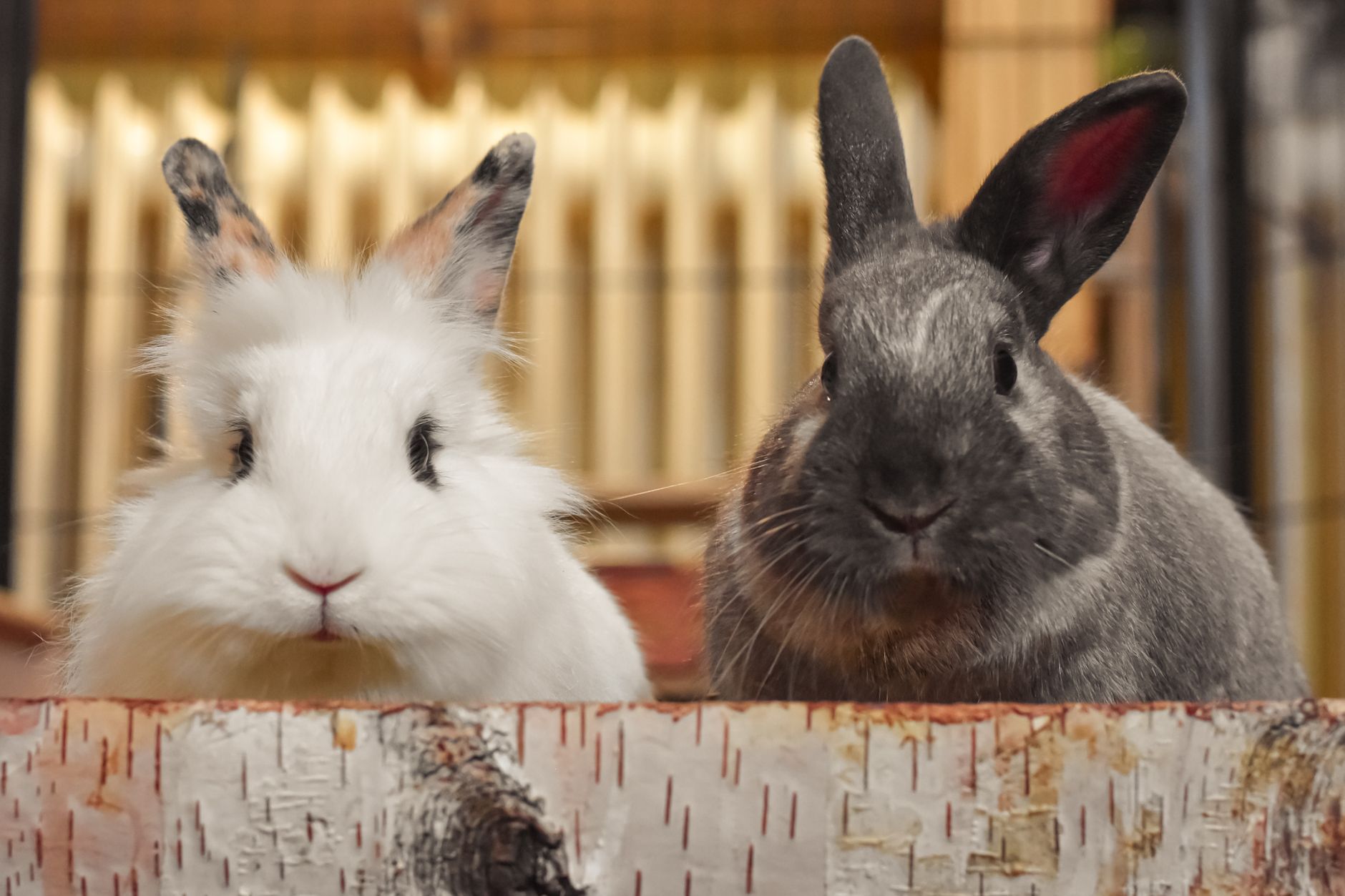
You’re sitting quietly when you hear it — a soft, rhythmic grinding sound coming from your rabbit’s enclosure. You freeze. Is that normal? Is your rabbit in pain? Should you call a vet right now?
Rabbit teeth grinding is one of the most misunderstood sounds a bunny makes. It can mean your rabbit is completely blissful — or it can signal a serious health problem. The tricky part is that both situations sound almost identical to the untrained ear. Knowing the difference isn’t optional; it could save your rabbit’s life.
Here’s everything you need to know to tell them apart, what to do next, and when to act fast.
The Two Very Different Reasons Rabbits Grind Their Teeth
Before anything else, understand this: rabbits grind their teeth in two completely different contexts, and they are not equally harmless.
The first is called tooth purring (also called bruxism in contentment). The second is pain grinding. Same sound source, completely different causes.
Tooth Purring: The Happy Grind
Tooth purring is a soft, gentle grinding or vibrating sound your rabbit makes when they’re deeply relaxed. You’ll usually hear it when you’re stroking their forehead or behind their ears, or when they’re flopped out in their favorite spot.
It’s the rabbit equivalent of a cat’s purr. Involuntary, rhythmic, and quiet — almost like a faint clicking or chattering vibration rather than a harsh grind. New rabbit owners frequently mistake it for something wrong; experienced owners learn to recognize it as a compliment.
Signs that it’s tooth purring:
- Your rabbit is lying down or in a loaf position
- They’re relaxed, with soft eyes or half-closed lids
- They lean into your hand or stay still while you pet them
- The sound is gentle and low
- Their body is loose, not tense
This is a good sign. It means your rabbit trusts you and feels safe. No action needed — just enjoy the moment.
Pain Grinding: The Distress Signal
Pain grinding is louder, harsher, and often comes with a rabbit that looks visibly uncomfortable. This is a red flag.
Rabbits are prey animals. They instinctively hide pain and illness because showing weakness in the wild means becoming a target. By the time a rabbit is grinding their teeth loudly due to pain, they’ve often been suffering for a while — sometimes days.
Signs that it’s pain grinding:
- The sound is louder, more intense, and irregular
- Your rabbit is hunched up or sitting in an unusual posture
- They’re pressing their belly to the floor
- Reduced or no appetite
- Little to no droppings in the litter box
- Grinding their teeth even when you’re not touching them
- Visible discomfort when picked up or touched on the abdomen
If you’re seeing any combination of these, don’t wait it out. Contact a rabbit-savvy vet as soon as possible.
Common Causes of Pain-Related Teeth Grinding in Rabbits
Once you’ve identified that your rabbit’s grinding is pain-related, the next step is understanding what might be causing it. Several conditions can trigger this response.
Dental Disease (The Most Common Culprit)
Rabbits have teeth that grow continuously throughout their lives — roughly 2–3mm per week. When those teeth don’t wear down properly, they develop sharp spurs, overgrowths, or misalignments that cut into the tongue, cheeks, and gums.
This condition is called malocclusion, and it’s extremely common in domestic rabbits, particularly in flat-faced breeds like Netherland Dwarfs, Lionheads, and Mini Lops. In these breeds, the skull shape compresses the jaw, leaving less room for teeth to align correctly — meaning dental problems can develop even in rabbits eating a perfect diet.
Watch for these additional signs of dental problems:
- Drooling or a wet chin
- Dropping food while eating (called “quidding”)
- Weight loss despite seeming interested in food
- Swelling along the jaw or under the eyes
- Preference for softer foods over hay
Dental disease in rabbits almost always requires veterinary treatment. Your vet will perform a dental exam under sedation to check the molars and premolars, which you cannot see by looking in their mouth. The incisors — the front teeth — are only a fraction of the picture.
GI Stasis: A Rabbit Emergency
Gastrointestinal stasis — when the gut slows down or stops moving — is one of the most dangerous conditions a rabbit can face. Teeth grinding is one of the signs that the discomfort has become severe.
GI stasis causes painful gas buildup and can become fatal within 24–48 hours if untreated. Unlike dogs and cats, rabbits cannot vomit to relieve that pressure. The gas has nowhere to go, and the pain escalates quickly.
Immediate warning signs of GI stasis:
- No droppings or very small, dry droppings
- Not eating, not drinking
- A bloated or hard belly
- Complete stillness — the rabbit won’t move
- Loud, obvious teeth grinding
This is an emergency. Get to a vet immediately, even if it means an out-of-hours visit. GI stasis treated early — within the first 6–12 hours — is often manageable. Treated at 24+ hours, the prognosis worsens sharply.
Other Causes Worth Knowing
| Cause | Additional Signs | Urgency |
|---|---|---|
| Bladder sludge or stones | Straining to urinate, wet fur around genitals | High — see vet within 24 hrs |
| Uterine disease (unspayed females) | Bloody urine, lethargy | High |
| Abscesses | Swelling, warmth on face or jaw | Moderate-High |
| Post-surgical pain | Recent procedure, altered behavior | Consult vet |
| Injury or trauma | Sudden onset, reluctance to move | High |
How to Tell the Difference: A Step-by-Step Approach
You don’t need to be a vet to do a quick at-home assessment. Follow these steps the moment you hear your rabbit grinding their teeth.
Step 1: Observe the context. What was your rabbit doing when you heard the sound? Were you petting them, or were they sitting alone? Content grinding almost always happens during or after petting. Pain grinding can happen at any time, including when your rabbit is completely alone and unprompted.
Step 2: Look at their body posture. A happy, tooth-purring rabbit looks relaxed — flopped, loafed, or lightly stretching. A rabbit in pain typically looks hunched, rigid, or pressed low to the ground with their eyes partially or fully closed and slightly sunken.
Step 3: Check their litter box. This is a non-negotiable step. A healthy rabbit produces 200–300 droppings per day. Fewer droppings, no droppings, or unusually small or misshapen ones are a warning sign that something is wrong internally.
Step 4: Offer a piece of food. Offer a small piece of leafy green or a favorite treat. A happy, healthy rabbit will take it eagerly. A rabbit in pain will likely ignore it or only sniff halfheartedly. Appetite loss in rabbits is always worth investigating — they are designed to eat almost constantly.
Step 5: Gently feel their belly. With your rabbit sitting calmly, gently press your fingers along the sides of their abdomen. It should feel soft and slightly yielding. A hard, tight, or obviously bloated belly means get to the vet now.
Step 6: Make the call. If steps 1–5 leave you confident it’s just tooth purring, keep an eye on things but relax. If anything concerns you, call a rabbit-savvy vet. Don’t wait to see if it improves on its own.
Preventing the Problems Behind Pain Grinding
You can’t eliminate every health risk, but you can dramatically reduce the likelihood of dental disease and GI stasis with the right daily habits.
Feed Hay. Always Hay.
Unlimited timothy hay (or orchard grass for younger or more active rabbits) should make up 80–85% of your rabbit’s diet. The long fibrous strands do two critical jobs: they keep the gut moving and they naturally wear down the back teeth in the correct lateral grinding motion that prevents spurs.
Most dental problems in domestic rabbits trace back to inadequate hay consumption. Pellets are concentrated food, not a hay replacement. Keep pellets to a small, measured portion — about a quarter cup per 5 lbs of body weight per day. Pellet-heavy diets are a common mistake in new rabbit owners; the bags often suggest far more than rabbits actually need.
Fresh leafy greens (like romaine lettuce, cilantro, and parsley) round out the diet nicely. Avoid starchy treats, crackers, seeds, and anything marketed as “yogurt drops” — these spike gut bacteria imbalances and contribute nothing to dental wear.
Fresh water, changed daily, matters more than most owners realize. Dehydration slows gut motility, which is a direct precursor to stasis. Many rabbits drink more from a bowl than a bottle — try both and see which your rabbit prefers.
Keep Their Environment Moving
Rabbits need 3–4 hours of free-roaming exercise daily. A sedentary rabbit has a slower gut. A slow gut leads to stasis. It’s that direct.
Give them space to run, jump, and explore. Tunnels, cardboard boxes with holes cut in them, and different textures underfoot keep them physically and mentally active. Rabbits that spend most of their time confined to a small enclosure are significantly more prone to GI issues than those with regular floor time.
Annual Vet Checks — Don’t Skip Them
Rabbits should see a rabbit-savvy vet at least once a year. A good exotic vet will check the incisors (the front teeth you can see) and the molars (which require a scope or sedation to examine properly).
Catching dental spurs early means a simple filing procedure under brief sedation. Catching them late can mean tooth extractions, jaw abscesses, and ongoing medical management that runs into hundreds of dollars and significant stress for the rabbit.
Finding a rabbit-savvy vet before you need one urgently is one of the most practical things you can do as a rabbit owner. Not all small animal vets are experienced with rabbits — many are not. Look for vets who list exotic or small mammal experience, or ask for recommendations from your local rabbit rescue or house rabbit society chapter.
Spay and Neuter
Unspayed female rabbits have an extremely high risk of uterine cancer — estimates put it at over 80% by age 5. Uterine disease causes significant pain and can present as teeth grinding among other symptoms.
Getting your rabbit spayed (females) or neutered (males) dramatically reduces cancer risk, can improve litter habits, and often reduces territorial behavior. Most rabbit vets recommend spaying females between 4–6 months of age, before hormonal behaviors become entrenched.
When to Call the Vet: Don’t Second-Guess This List
Some rabbit owners wait too long because rabbits are perceived as low-maintenance pets. They’re not. They’re prey animals that mask illness exceptionally well, often until a problem is advanced.
Call a rabbit-savvy vet today if your rabbit is:
- Grinding their teeth and not eating
- Grinding their teeth with no droppings in the last 6–8 hours
- Making any grinding sounds paired with an obviously painful posture
- Grinding and has a hard or bloated belly
- Grinding and drooling or dropping food while eating
- Grinding and you’ve noticed recent weight loss
When in doubt, make the call. A vet consultation you didn’t strictly need is a minor inconvenience. Missing a GI stasis or dental abscess by a few hours can cost your rabbit their life.
Knowing your rabbit’s sounds is one of the most valuable skills you’ll develop as a rabbit owner. That soft, rhythmic purr during a head scratch? Treasure it. But if the grinding is loud, unprompted, or paired with any of the warning signs above, treat it as the urgent signal it is.
Do the five-step check outlined above right now if your rabbit is grinding and you’re unsure. If anything raises a red flag, book with a rabbit-savvy vet today — not tomorrow. Your rabbit is counting on you to catch what they can’t tell you in words.
Frequently Asked Questions
What does it mean when a rabbit grinds its teeth?
Rabbit teeth grinding can mean two different things: tooth purring (when your rabbit is content and relaxed) or pain grinding (a distress signal). It’s crucial to tell them apart because they require different responses.
What is tooth purring in rabbits?
Tooth purring is a soft, gentle grinding sound rabbits make when deeply relaxed. It’s the rabbit equivalent of a cat’s purr, typically heard when you’re petting them or they’re in their favorite spot.
How can I tell the difference between happy teeth grinding and pain grinding?
Tooth purring occurs when your rabbit is relaxed with soft eyes, lying down, and leans into your touch. Pain grinding is louder, harsher, and accompanied by signs of tension and distress in the rabbit’s body.


