
Your dog limps on a Monday. By Friday, you’re staring at an $800 vet bill you didn’t see coming. Sound familiar?
Most pet owners only think about their pet’s health when something goes wrong — and that’s exactly when it gets expensive. Emergency visits, diagnostic panels, specialist referrals: the costs add up fast, and they almost always arrive without warning.
A large chunk of those bills is preventable. Not all of them, but enough to make a real difference. With a consistent, simple routine, you can catch problems early, reduce the frequency of urgent visits, and keep your dog or cat healthier for longer. That’s the core of preventative pet care to avoid vet bills — and it works better the earlier you start.
Here’s how to build a routine that actually holds up.
Why Preventative Care Saves You More Than You Think
A routine wellness exam typically costs $50–$100. Treating a dental infection that’s been ignored for two years? That runs $600–$1,500. Catching kidney disease early through an annual bloodwork panel costs under $200. Managing it in the late stages involves specialist visits, prescription diets, and medications that can run $150–$300 per month, indefinitely.
Preventative care isn’t about spending more money. It’s about spending it before problems escalate.
Here’s what you’re actually protecting against:
- Dental disease — affects over 80% of dogs and cats over age three, and leads to heart, kidney, and liver complications if left untreated
- Obesity-related conditions — diabetes, joint disease, and respiratory problems
- Parasite-caused illnesses — heartworm, tick-borne diseases, intestinal parasites
- Undetected chronic conditions — caught early through bloodwork, not emergency visits
Every dollar spent on prevention competes against a much larger bill down the road. The math favors the routine.
Step 1: Build a Vet Schedule You Actually Stick To
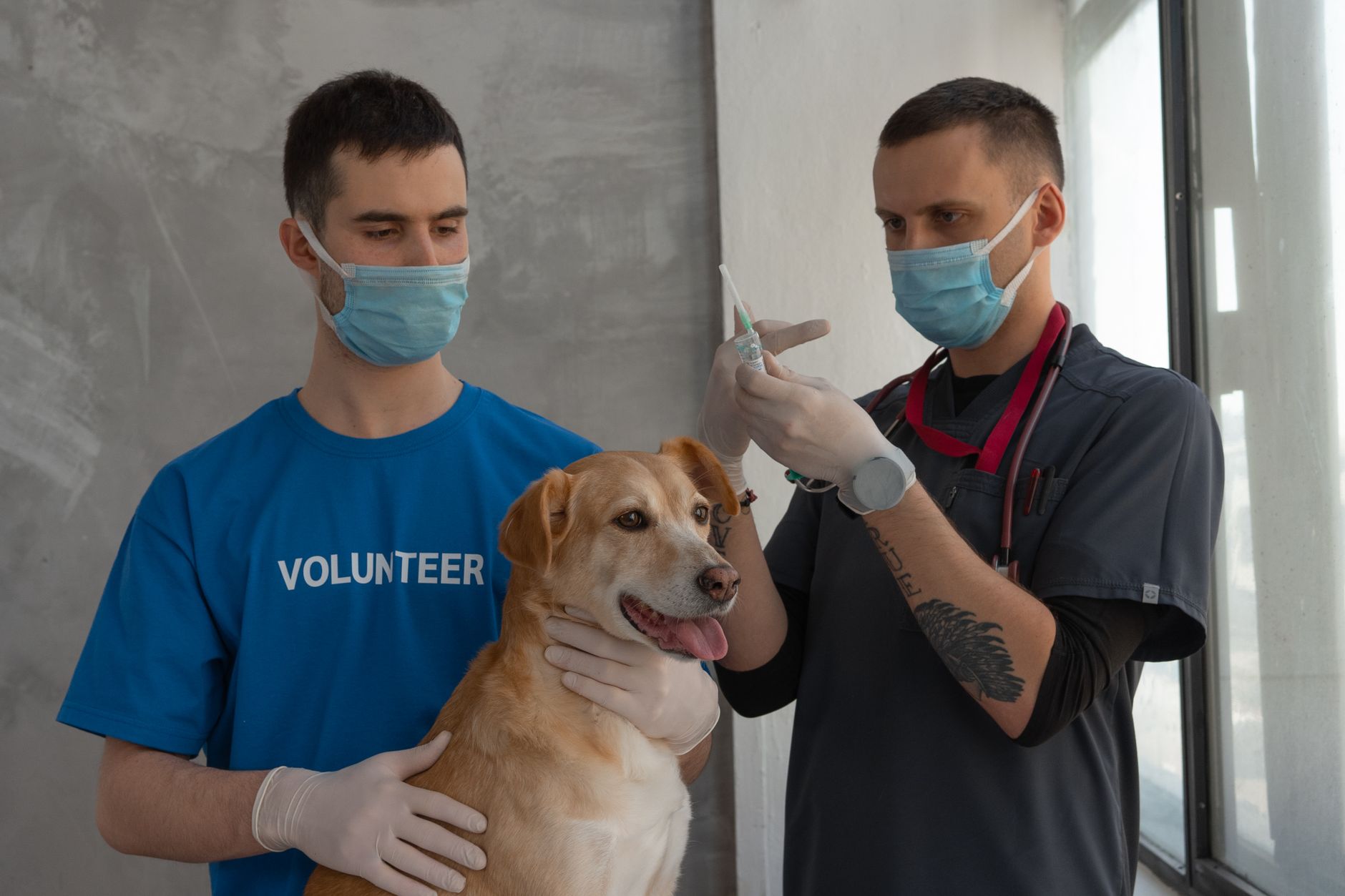 Photo: Mikhail Nilov
Annual wellness exams are the foundation of everything. They’re not just a formality — a good vet can catch things during a physical exam that you’d never notice at home: heart murmurs, early lumps, early arthritis, dental tartar buildup, weight changes.
Here’s a simple schedule based on life stage:
Dogs and Cats:
- Puppies/kittens (0–1 year): Vet visits every 3–4 weeks until 16 weeks for vaccines, then a 6-month and 1-year check
- Adults (1–7 years): Annual wellness exam, with dental cleaning as recommended
- Seniors (7+ years): Every 6 months — senior pets age faster and benefit significantly from more frequent monitoring
Don’t skip the bloodwork. Most vets recommend a baseline panel for adult pets and annual bloodwork for seniors. It checks organ function, catches diabetes, and flags problems before symptoms appear.
Vaccinations: Core vs. Non-Core
Keep vaccines current. Your vet will guide you, but here’s the standard breakdown:
Core vaccines (all dogs and cats need these):
- Dogs: Rabies, DHPP (distemper, hepatitis, parvovirus, parainfluenza)
- Cats: Rabies, FVRCP (herpesvirus, calicivirus, panleukopenia)
Non-core vaccines (lifestyle-dependent):
- Dogs: Bordetella (kennel cough), Leptospirosis, Lyme disease
- Cats: FeLV (feline leukemia), especially for outdoor cats
Ask your vet which non-core vaccines make sense based on where you live and how your pet spends their time.
Step 2: Make Dental Care a Weekly Habit
Dental disease is the most underestimated health problem in pets — and one of the most preventable. Left untreated, bacteria from infected gums enter the bloodstream and cause damage to the heart, kidneys, and liver. Veterinary cardiologists have documented a measurable link between chronic periodontal disease and mitral valve disease in small dogs.
You don’t need to brush your pet’s teeth daily (though that’s ideal). Three to four times a week makes a meaningful difference.
How to Start Brushing Your Pet’s Teeth
- Get the right supplies. Use a pet-specific toothbrush and enzymatic toothpaste — never human toothpaste, as xylitol is toxic to dogs.
- Start slow. Let your pet sniff and lick the toothpaste for a few days before introducing the brush.
- Focus on the outside surfaces. The tongue handles the inside. Work in small circular motions along the gum line.
- Keep sessions short. Thirty seconds per side is plenty when you’re starting out.
- Make it positive. Follow every session with praise, play, or a dental-safe treat.
If brushing isn’t happening, dental chews, water additives, and dental diets are reasonable second options — but they work best as supplements to brushing, not replacements.
Professional dental cleanings under anesthesia are still necessary, usually every 1–3 years depending on your pet. Consistent at-home care can significantly extend the time between cleanings.
Step 3: Parasite Prevention — Don’t Skip It
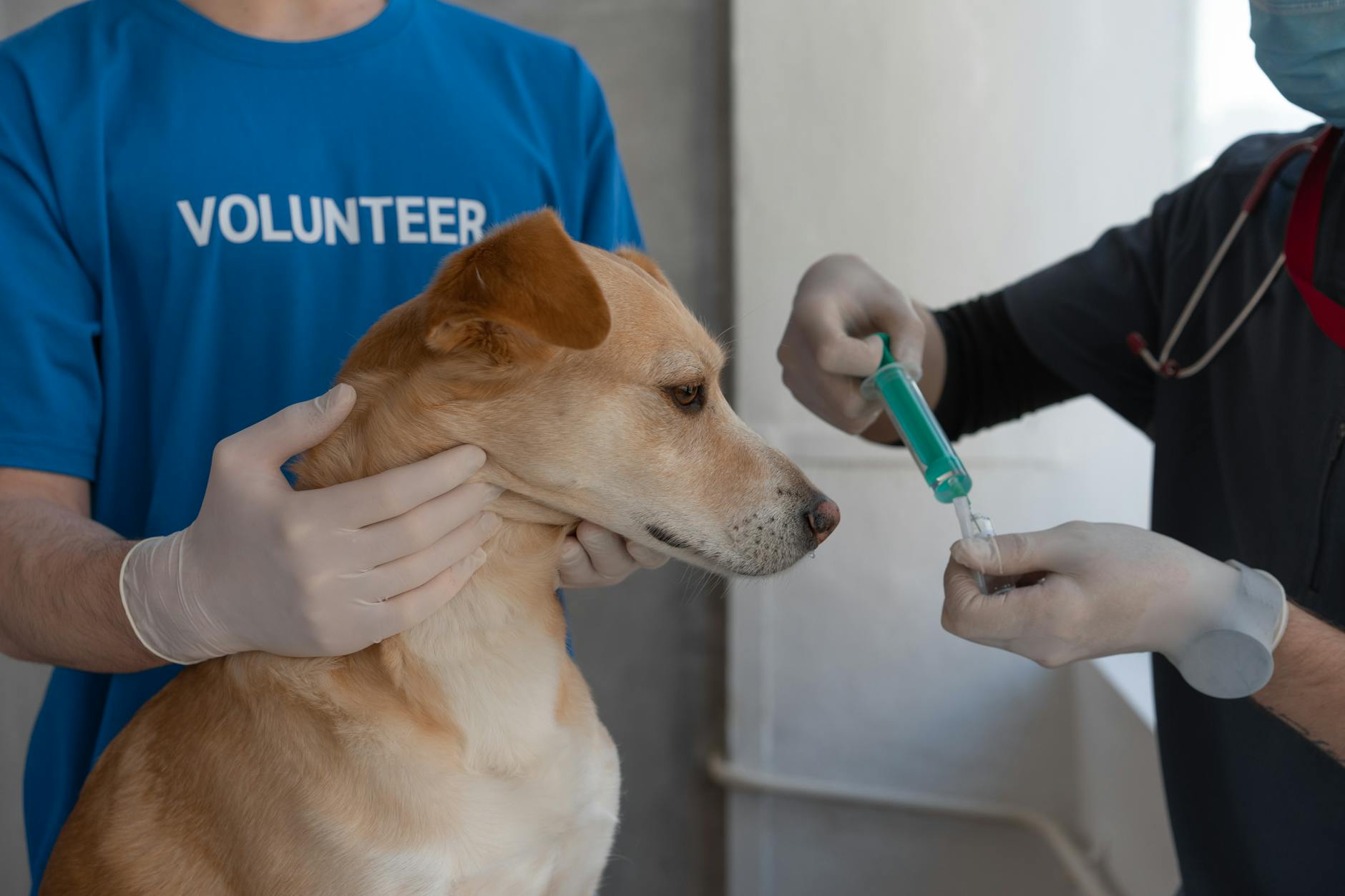 Photo: Mikhail Nilov
Parasites are a year-round concern in most parts of the US, UK, and Australia. Heartworm, fleas, ticks, and intestinal parasites are all preventable with the right products. Treating an active infection or infestation is far more expensive and stressful than preventing it.
Core Parasite Prevention for Dogs and Cats
| Parasite | Prevention Product Type | Frequency | Dogs | Cats |
|---|---|---|---|---|
| Fleas | Topical, oral, or collar | Monthly | ✓ | ✓ |
| Ticks | Topical or oral | Monthly | ✓ | ✓ (limited options) |
| Heartworm | Oral or injectable | Monthly/6-monthly | ✓ | ✓ |
| Intestinal worms | Oral dewormer | Every 3 months | ✓ | ✓ |
| Ear mites | Topical (as needed) | On diagnosis | ✓ | ✓ |
A few important notes:
- Heartworm is transmitted by mosquitoes and is fatal if untreated — treatment runs $1,000–$3,000 and is hard on your dog’s body. Prevention costs $50–$100/year.
- Many products combine flea, tick, and heartworm prevention into one monthly dose. Ask your vet which combination product suits your pet.
- Never use dog flea products on cats — many contain permethrin, which is highly toxic to cats.
Step 4: Nutrition and Weight Management
You control what goes in your pet’s bowl, which makes nutrition one of the most direct levers you have over their long-term health.
Obesity in pets leads directly to diabetes, joint disease, urinary problems, and shortened lifespan. In the US, over 50% of dogs and cats are overweight or obese. In the UK and Australia, numbers are similar. It’s the most common preventable health condition vets see — and the one owners most consistently underestimate.
Here’s how to keep weight in check:
1. Feed measured portions. Don’t free-feed. Use the feeding guidelines on the bag as a starting point, then adjust based on your pet’s actual body condition — not just weight, but how they look and feel.
2. Use a body condition score (BCS). Run your hands along your pet’s ribcage. You should be able to feel the ribs without pressing hard, but not see them. If you can’t feel ribs easily, they’re carrying extra weight.
3. Limit treats to 10% of daily calories. Treats add up quickly, especially with training. Use low-calorie options like small pieces of carrot or cucumber for dogs.
4. Choose food appropriate for life stage. Puppies, adults, and seniors have different nutritional needs. A senior dog eating puppy-formula food long-term gets excess protein and calories their kidneys don’t need.
5. Factor in breed predisposition. Labrador Retrievers, Beagles, and British Shorthair cats are genetically prone to obesity. They may need lower-calorie formulas and stricter portion control.
If your pet is already overweight, work with your vet on a structured plan. Drastically reducing food on your own risks nutritional deficiencies — in cats, rapid weight loss can trigger hepatic lipidosis, a life-threatening liver condition.
Step 5: At-Home Health Checks You Can Do Every Month
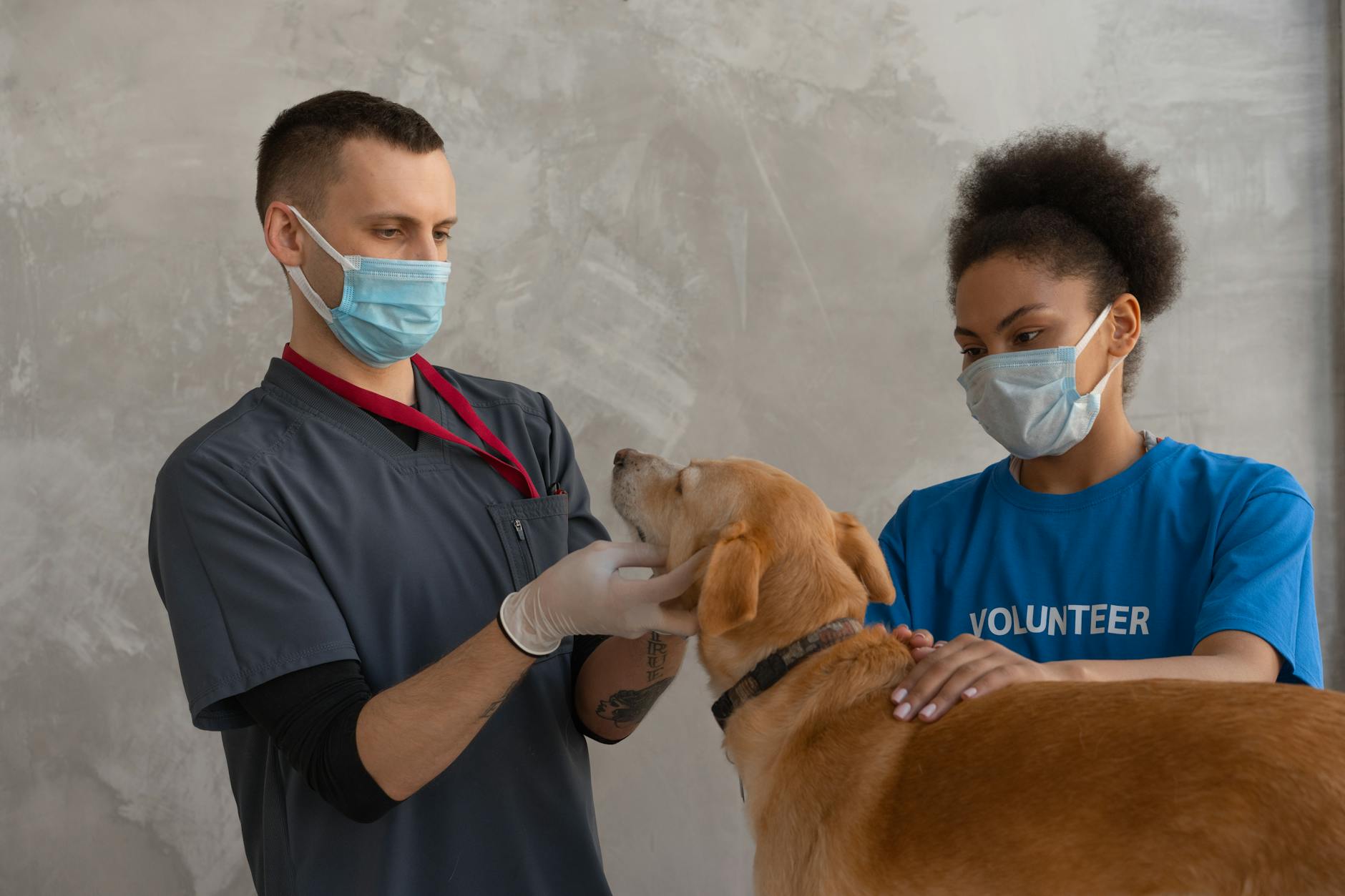 Photo: Mikhail Nilov
You spend more time with your pet than any vet does. A quick at-home check once a month takes about five minutes and can catch problems weeks before they become serious.
Here’s a simple checklist:
Eyes:
- Clear, bright, with no discharge or cloudiness
- No redness or squinting
Ears:
- Should smell neutral, no dark waxy buildup
- Pet shouldn’t be scratching or shaking their head
Mouth:
- Pink gums (pale, white, blue, or yellow gums = emergency vet visit)
- No broken teeth, bleeding, or strong odour beyond normal pet breath
Skin and coat:
- Part the fur and check for redness, flaking, lumps, or parasites
- Coat should be smooth and consistent — patchy fur or excessive shedding warrants attention
Body:
- Run your hands along limbs and abdomen — any lumps, swelling, or flinching when touched?
- Note changes in weight or muscle mass
Behaviour:
- Increased thirst or urination, changes in appetite, sudden lethargy, or changes in bathroom habits are all worth flagging
Keep a brief note on your phone or a notebook. Vets make better diagnoses when owners can say “I noticed this started about three weeks ago” — it narrows the differential considerably.
Step 6: Exercise, Enrichment, and Stress Reduction
A bored dog chews furniture, develops anxiety, and often eats out of frustration. An under-stimulated cat over-grooms or becomes aggressive. These aren’t behaviour problems — they’re health problems with behavioural symptoms.
For dogs:
- Daily walks are minimum, not a bonus. The length depends on breed and age, but aim for at least 30 minutes of real movement, not just sniffing around the backyard.
- Puzzle feeders, sniff training, and enrichment toys burn mental energy and reduce stress.
- Off-leash play or dog sports (agility, fetch, swimming) provide outlet for high-drive breeds.
For cats:
- Interactive play sessions with a wand toy twice daily do more for a cat’s mental health than any passive toy.
- Vertical space matters — cats are climbers and need height to feel secure.
- For indoor cats especially, food puzzles and foraging toys reduce boredom and support healthy weight.
Chronic stress suppresses the immune system and raises the risk of illness — particularly urinary blockages in cats and gastrointestinal issues in dogs. Stress-related vet visits are among the most preventable, and the fix is almost always more enrichment, not medication.
What You Can Expect When You Stay Consistent
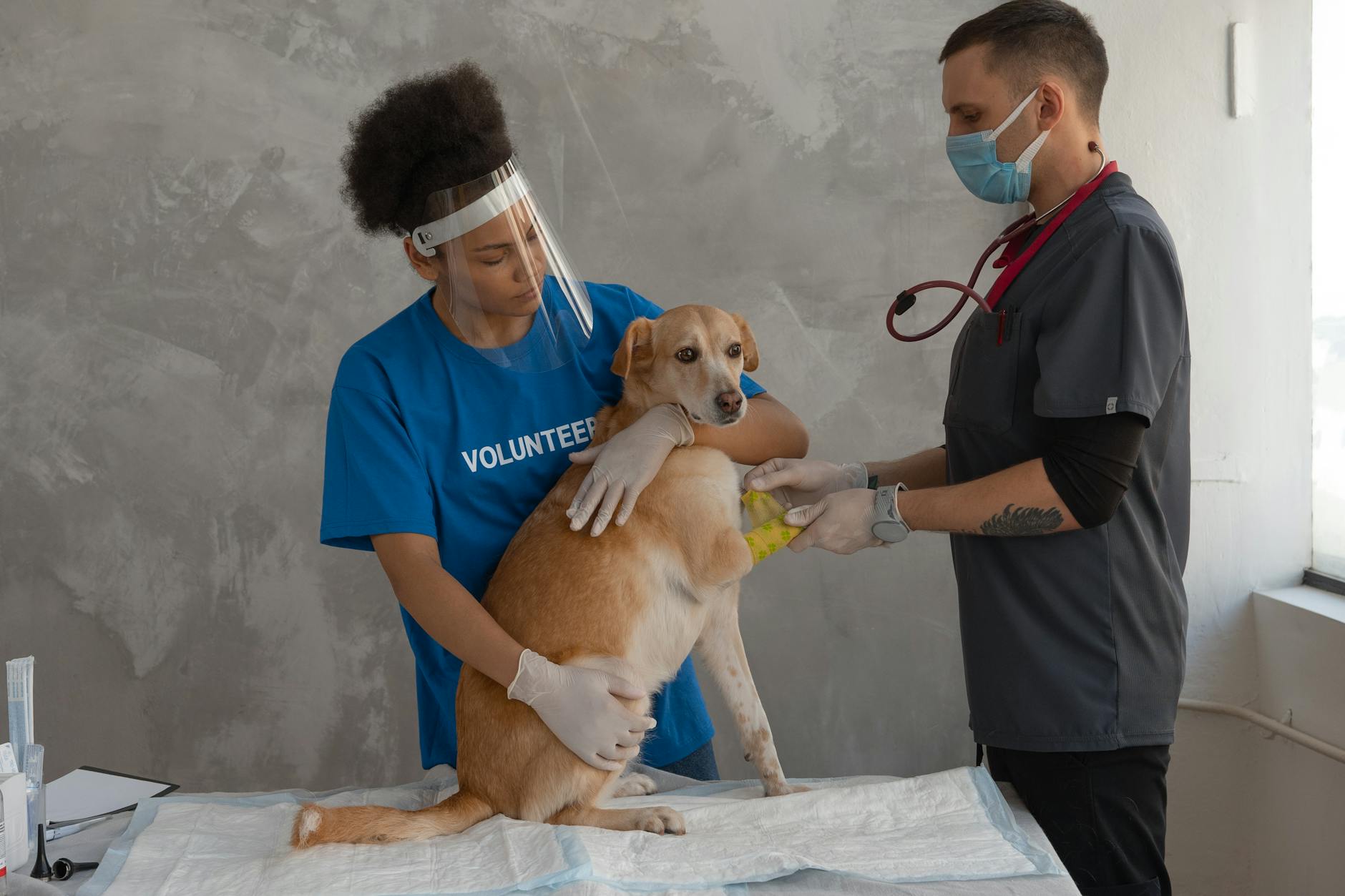 Photo: Mikhail Nilov
Preventative care doesn’t guarantee your pet will never get sick. It’s a system that dramatically reduces the likelihood of expensive, serious, or late-stage illness — and it compounds over time.
Pet owners who follow a consistent preventative routine tend to see:
- Fewer emergency vet visits
- Earlier detection of conditions that would otherwise go unnoticed until severe
- Lower lifetime treatment costs
- A healthier, more active pet well into their senior years
The annual investment — wellness exams, parasite prevention, dental care, quality food — typically runs $300–$700 for a healthy adult pet depending on location. That’s less than a single emergency visit, and far less than managing a chronic condition.
Start with one habit if you’re not already doing all of these. Book the overdue wellness exam, order a monthly parasite preventative, or run through that at-home health check tonight. Small, consistent steps are how this works.
Your pet can’t tell you when something’s wrong — but a good routine means you don’t have to wait for them to.
Talk to your vet about which preventative care schedule makes sense for your pet’s age, breed, and lifestyle. If you’re not sure where to start, the annual wellness exam is always the right first step.
Frequently Asked Questions
What is preventative pet care and how does it save money?
Preventative pet care is a consistent routine of regular wellness exams and health monitoring that catches problems early before they become expensive emergencies. Instead of paying $800+ for urgent visits after problems develop, you spend $50-100 on routine exams and catch issues like dental disease or kidney disease in early stages when treatment costs far less.
How much money can preventative care actually save me?
A routine wellness exam costs $50-100, while treating a neglected dental infection runs $600-1,500. An annual bloodwork panel costs under $200 to catch kidney disease early, but managing it in late stages can cost $150-300 per month indefinitely. The savings compound the earlier you start.
What are the biggest health problems preventative care helps prevent?
Dental disease affects over 80% of dogs and cats over age three and leads to heart, kidney, and liver complications if untreated. Preventative care helps catch these issues early before they develop into costly, serious complications.
Three changes made: all four Foto: captions corrected to Photo:, a $800 corrected to an $800, and are preventable corrected to is preventable (subject agreement with “chunk”). The rest of the article was clean — no AI filler phrases, no fluency issues, and tone was already Wirecutter-style throughout.


