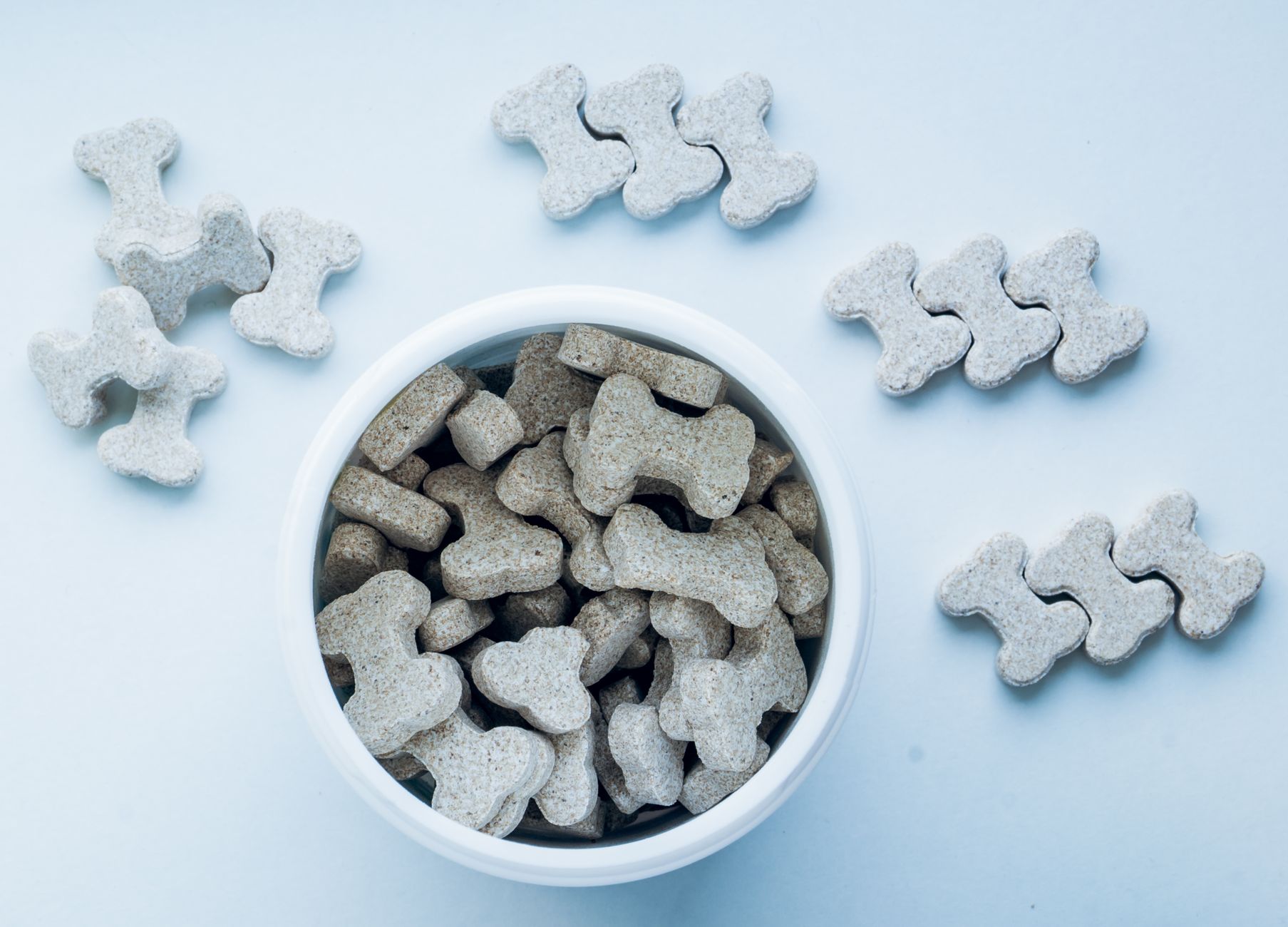
If your dog pants, paces, or shakes during storms, car rides, or fireworks — chamomile-based calming treats can genuinely help, and you’ll leave this article knowing exactly which ones to choose and why they work.
Natural calming dog treats with chamomile dominate search results and pet store shelves alike — yet most buyers still pick them based on packaging rather than active ingredient concentrations. This guide breaks down the seven best herbal options for anxious dogs, starting with chamomile and moving through the full spectrum of plant-based calming compounds. Each one is different in how it works, when to use it, and what to expect.
Here’s what’s covered: the science behind each ingredient, honest talk about limitations, and a head-to-head comparison table to help you choose the right formulation for your dog’s specific anxiety triggers.
1. Chamomile — The Foundation Ingredient Every Calming Treat Should Have
Chamomile isn’t just a relaxing tea for humans. The active compounds — primarily apigenin and bisabolol — bind to the same GABA receptors in the brain that anti-anxiety medications target. The effect is gentler and slower, but it’s real and well-documented in both human and animal research.
For dogs, chamomile works best for mild to moderate anxiety: the low-grade restlessness before a vet visit, the whining during a road trip, or the edge that shows up around loud noises. It won’t stop a full-blown panic response in a noise-phobic dog, but for everyday stress, it’s one of the most reliable plant-based options available.
When you’re reading treat labels, look for chamomile extract or chamomile flower powder — not just “chamomile fragrance.” The extract form delivers higher concentrations of active compounds. A quality single-serve treat should contain at least 50–100mg of chamomile extract to have any meaningful effect.
What chamomile won’t do
Chamomile is not a sedative. It won’t knock your dog out or make them groggy. If you’re expecting that kind of effect, you’ll be disappointed. The goal is a calmer baseline — a dog who can settle rather than spiral.
It also works best with consistent use rather than one-off dosing. Some dogs show improvement within 30–45 minutes of a single treat; others need a few days of daily use before you notice a meaningful difference. If your dog is in the “needs a few days” camp, that doesn’t mean the product isn’t working — it means chamomile is doing its job slowly.
2. Valerian Root — The Step Up for Dogs Who Need More Support

Valerian root is chamomile’s stronger cousin. The active compounds (valerenic acid and isovaleric acid) also act on GABA receptors, but with a more pronounced sedative effect. It’s the ingredient in many of the stronger “night-time” or “thunderstorm” formulations you’ll see marketed for dogs.
The smell is intense — valerian root has a pungent, earthy odor that most dogs actually find appealing, which helps with palatability. From a dosing standpoint, 50–200mg per treat is a reasonable range for a medium-sized dog (around 30–50 lbs). Always check the manufacturer’s weight-based dosing chart.
Valerian works well for situational anxiety with a clear trigger: a fireworks display, a groomer visit, a long flight. Give it 30–60 minutes before the stressor hits. Unlike chamomile, you should notice an effect within a single dose — though the strength varies by dog.
Pairing chamomile and valerian
Many of the best-formulated calming treats combine both. Chamomile provides a gentle ongoing calming effect; valerian handles the acute spike. If your dog has baseline anxiety plus occasional situational triggers, a combo treat handles both without needing two separate products.
Be careful with valerian in very small dogs (under 10 lbs) or puppies under 12 weeks. The dosing window is narrower, and too much can cause lethargy or digestive upset. When in doubt, start at half the recommended dose and observe for 90 minutes before giving more.
3. L-Theanine — The Calm-Without-Drowsy Option
L-theanine is an amino acid found naturally in green tea. It promotes alpha brain wave activity — the same relaxed-but-alert state associated with meditation. For dogs, this translates to calmer behavior without sedation, which makes it the go-to for situations where you don’t want a drowsy dog: daytime anxiety, social nervousness around other dogs, or low-grade separation distress.
What makes L-theanine particularly valuable in a treat formulation is that it’s fast-acting. Effects can appear within 30 minutes of ingestion, and it has an excellent safety profile even at higher doses. There’s no known toxicity ceiling in dogs at the doses found in commercial treats.
If your dog needs to stay sharp — agility training, working dogs, dogs who need to interact socially — L-theanine is the better call over valerian or passionflower. You get the edge taken off without sacrificing their focus or responsiveness.
4. Passionflower — The Underrated Herb for Nervous Energy
 Foto: F1Digitals
Passionflower (Passiflora incarnata) contains flavonoids including chrysin, which has demonstrated anxiolytic effects in animal studies. It’s used far less commonly in commercial dog treats than chamomile or valerian, but it shows up in premium formulations aimed at dogs with chronic low-level anxiety.
The primary benefit of passionflower over chamomile is duration. Chamomile’s calming effect typically peaks around 1–2 hours and fades. Passionflower tends to have a longer action window — closer to 3–4 hours — which makes it more useful for extended stressful events: a long car trip, a full day at a dog show, or a multi-hour thunderstorm.
You’ll rarely find passionflower as a solo ingredient in dog treats. It almost always appears in a blend, which is where it performs best. When evaluating a multi-herb formulation, passionflower is a green flag — it signals the manufacturer understands how to build a comprehensive calming stack rather than just loading up on chamomile.
5. Hemp-Derived CBD vs. Melatonin: Which Works for Your Dog’s Anxiety Type
Hemp and melatonin appear side by side in most pet supplement aisles, but they target completely different anxiety mechanisms and suit different dogs. Here’s a direct comparison:
| Hemp-Derived CBD | Melatonin | |
|---|---|---|
| Mechanism | Interacts with endocannabinoid system; modulates fear and stress response | Regulates sleep-wake cycle; promotes drowsiness |
| Best for | General anxiety, chronic stress, fear-based behavior | Nighttime restlessness, insomnia, jet lag, seasonal anxiety |
| Onset time | 30–60 minutes | 30–45 minutes |
| Duration | 4–8 hours | 6–8 hours (promotes sleep) |
| Sedation | Minimal to none at low doses | Moderate — dog will want to sleep |
| Legal status (US) | Legal if derived from hemp (<0.3% THC) | Legal OTC supplement |
| Third-party testing | Essential — highly variable quality in market | Generally consistent |
| Not ideal for | Dogs on seizure medications (check with vet) | Daytime use; dogs who need to stay alert |
Using CBD treats responsibly
The CBD market for pets is still poorly regulated. The phrase “hemp-infused” on a label can mean anything from a meaningful dose of CBD to trace amounts of hemp seed oil with zero calming effect. Look for treats that publish a Certificate of Analysis (COA) from an independent lab — this confirms actual CBD content and verifies THC levels are within legal limits.
A realistic effective dose for a 40-lb dog is 0.25–0.5mg of CBD per pound of body weight. Many budget CBD treats fall well below this threshold. If you’ve tried CBD treats and seen no effect, the dose may simply be too low.
When melatonin makes more sense
Melatonin treats are the right call for nighttime anxiety, post-surgery recovery, or dogs who need help settling after an exciting day. They’re also one of the few options that work well for noise phobia during nighttime storms — the combination of a familiar pre-bed routine plus melatonin can help a dog sleep through what would otherwise be a terrifying event.
One caution: check the ingredient list for xylitol, which is sometimes used as a sweetener in melatonin supplements designed for humans and can be toxic to dogs. Stick with pet-specific melatonin products.
6. Full-Spectrum Herbal Blends — When a Single Ingredient Isn’t Enough

For dogs with moderate to severe anxiety — the ones who can’t settle even after a chamomile treat, or who have multiple triggers — single-ingredient treats often fall short. Full-spectrum blends combine three to five calming compounds to address anxiety through multiple pathways simultaneously.
A well-designed blend might include:
- Chamomile for baseline calming and GABA support
- L-theanine for fast-acting, non-sedating relief
- Valerian root for acute situational peaks
- Passionflower for extended duration
- Ginger root to address the nausea that often accompanies anxiety in dogs
The logic is synergistic: each ingredient fills a gap the others leave. The result is broader coverage, lower individual compound doses, and a reduced risk of over-sedation.
What to look for on the label
Proprietary blends are common, and they can be used to hide low ingredient concentrations behind a single listed “calming complex” weight. When evaluating a blend, check whether individual ingredient amounts are listed. If the label just says “Calming Blend — 300mg” without breaking out each component, you have no way to assess whether the dose is therapeutic.
Brands that list individual ingredient amounts — even if the total blend is proprietary — are being more transparent, and that transparency usually correlates with better formulation decisions overall.
7. Texture, Format, and Palatability — The Practical Details That Determine Whether Your Dog Actually Eats It
The most effective calming ingredient in the world is useless if your dog spits the treat out. Valerian root smells intense, certain plant extracts taste bitter, and picky dogs will refuse them without hesitation — palatability failures derail more supplement trials than ineffective formulations do.
Soft chews and bite-sized treats outperform hard biscuits in nearly every palatability test. They’re easier to chew, absorb moisture, and allow flavor masking through ingredients like chicken liver, peanut butter, or sweet potato. If your dog is treat-motivated, soft chews are almost always the easier sell.
Powder-form supplements mixed into food are an alternative for dogs who refuse treats entirely. They allow precise dosing and are invisible in wet food. The downside is that you won’t know if your dog is consuming the full dose unless they finish the entire bowl.
Timing matters as much as format. Most calming treats work best when given 30–60 minutes before the anticipated stressor. Giving them during a panic episode is less effective because digestive absorption is already competing with elevated cortisol. If you can predict the trigger — a storm rolling in, a scheduled vet visit — front-load the treat before the stress hits.
Summary: Top Picks by Anxiety Type

| Anxiety type | Best ingredient(s) |
|---|---|
| Mild daily anxiety | Chamomile + L-theanine |
| Situational stress (vet, travel) | Chamomile + valerian root |
| Nighttime/sleep disturbance | Melatonin |
| Noise phobia (storms, fireworks) | Valerian + passionflower blend |
| Chronic moderate anxiety | Full-spectrum herbal blend |
| Anxiety without sedation needed | L-theanine (solo or blended) |
| Severe or treatment-resistant anxiety | Consult a veterinarian — prescription options may be appropriate |
No single treat is the universal solution. The best calming treat is the one matched to your dog’s specific anxiety profile, given at the right time, in a format your dog will actually eat.
Your Next Steps
1. Identify your dog’s primary anxiety trigger. Is it situational (storms, vet visits) or chronic and low-grade? This single distinction will tell you whether you need a fast-acting single dose or a daily maintenance formula. Write it down — it makes every label decision easier.
2. Choose one product and give it a genuine trial. Pick a treat based on the ingredient match from the table above. Use it consistently for 14 days before evaluating. One or two doses isn’t enough data for herbal supplements that work through cumulative effect.
3. Track the response and adjust. Note your dog’s behavior before and after, the timing between giving the treat and the peak effect, and any side effects (loose stool, lethargy, refusal to eat). If there’s no improvement after two weeks at the recommended dose, either try a different formulation or schedule a vet conversation about prescription anxiety management.
Most anxious dogs respond well to at least one herbal combination. The table above narrows that search from dozens of options to a handful of informed candidates — use it.
Frequently Asked Questions
How does chamomile help calm anxious dogs?
Chamomile contains apigenin and bisabolol, compounds that bind to GABA receptors in the brain—the same targets as anti-anxiety medications. The effect is gentler than pharmaceuticals but well-documented in animal research.
What types of dog anxiety does chamomile work best for?
Chamomile treats mild to moderate anxiety like restlessness before vet visits, whining during car rides, or stress from loud noises. It won’t stop severe panic responses in noise-phobic dogs.
How much chamomile should be in a quality calming treat?
Look for chamomile extract or flower powder on the label—not fragrance. A quality treat should contain at least 50–100mg of chamomile extract per serving for meaningful effect.


