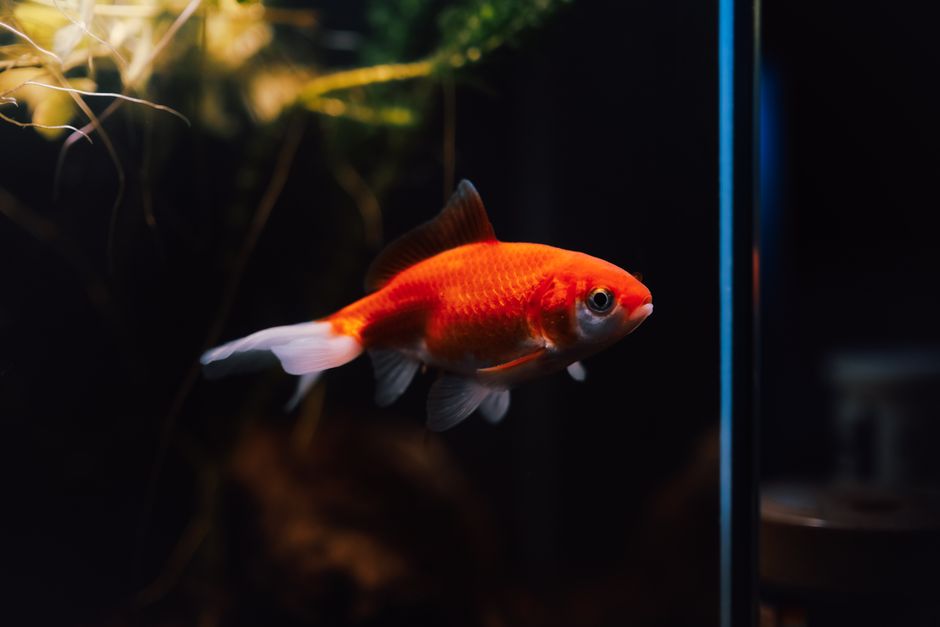
You already know how demanding pets can be. Between walking the dog, cleaning the litter box, and keeping everyone fed and healthy, the idea of adding a fish tank to the mix sounds either relaxing or completely overwhelming — depending on the day.
Most people who gave up on fish tanks did so because they got the wrong setup. They bought a tiny bowl, watched it turn green in a week, and never tried again. Or they went too big, couldn’t keep the chemistry balanced, and spent more time testing water than actually enjoying the tank.
A low maintenance aquarium for beginners doesn’t have to be that story.
With the right tank, the right fish, and a simple routine, you can have a thriving little ecosystem on your desk or countertop that practically runs itself. This guide walks you through exactly how to set that up — without chemistry degrees or weekend-long cleaning sessions.
Why Most Beginner Tanks Fail (And Yours Won’t)
The number one reason beginner fish tanks go wrong is the nitrogen cycle. You put fish in uncycled water, waste builds up fast, ammonia spikes, and the fish die within days. It feels like you did something wrong, but the real problem was skipping one critical step before adding any fish at all.
The second reason is the wrong tank size. Counterintuitively, smaller tanks are harder to maintain, not easier. A 5-gallon tank swings between “fine” and “toxic” within hours. A 10–20 gallon tank is far more forgiving because the water volume dilutes waste before it becomes dangerous.
Get these two things right from the start, and you’re already ahead of most beginners.
The Nitrogen Cycle in Plain English
Fish produce ammonia through waste and breathing. Beneficial bacteria in your filter convert that ammonia into nitrite, then into nitrate. Nitrate is relatively harmless at low levels and gets removed with regular water changes.
This process takes 2–4 weeks to establish. Your job as a beginner is simply to let it happen before adding fish, or use a product that speeds it up.
Signs Your Tank Is Cycled and Ready
- Ammonia: 0 ppm
- Nitrite: 0 ppm
- Nitrate: below 20 ppm
Check these with an inexpensive liquid test kit — the API Freshwater Master Test Kit is the standard recommendation in the US, UK, and Australia. Test strips work in a pinch but read 10–15% less accurately than liquid reagents, which matters when you’re chasing zero ammonia.
Choosing the Right Low Maintenance Aquarium for Beginners
 Foto: stevepb
The setup you choose at the start determines how much work you’ll do every week for years. Here’s what to look for.
Tank Size: Start With 10–20 Gallons
A 10-gallon tank hits the sweet spot for beginners. It’s small enough to fit on a desk or shelf, affordable enough to not break the budget, and large enough to maintain stable water conditions without daily intervention.
If you have a bit more space, a 20-gallon long tank is even better. More water volume means more margin for error, and you get more fish options too.
Avoid bowls and tanks under 5 gallons unless you’re keeping a single betta and are prepared for more frequent water changes. Nano tanks look cute but punish any mistake fast.
The Best Beginner Aquarium Kits
Starter kits bundle the tank, filter, and lighting together, which removes most of the guesswork. Here are solid options across different price points:
| Tank Kit | Size | Best For | Price Range (USD) |
|---|---|---|---|
| Aqueon Aquarium Starter Kit | 10 or 20 gal | General community fish | $40–$75 |
| Fluval Flex | 9 or 15 gal | Planted tanks, bettas | $80–$120 |
| MarineLand Portrait | 5 gal | Single betta or small species | $50–$70 |
| Tetra ColorFusion | 20 gal | Colorful schooling fish | $60–$90 |
| biOrb LIFE | 8 or 15 gal | Modern aesthetic setups | $100–$180 |
The Aqueon and Tetra kits are the most beginner-friendly. The Fluval Flex is worth the upgrade if you want something that looks good in a living room rather than a back office — the curved glass and built-in lighting make a real difference in a visible space.
The 6 Best Fish for a Low Maintenance Tank
Your fish choices matter as much as your tank setup. Some fish are delicate, territorial, or need precise water parameters to stay healthy. Others are practically indestructible.
Here are the easiest fish for beginners:
1. Betta Fish Hardy, beautiful, and perfectly happy alone in a 5–10 gallon tank. They don’t need a heater in most warm homes, though one helps when room temps drop below 72°F (22°C). Don’t house male bettas together — they will fight until one or both are dead.
2. White Cloud Mountain Minnows One of the most cold-tolerant freshwater fish available. They stay comfortable between 60–72°F (15–22°C), meaning no heater required in the UK or cooler parts of Australia. They stay small, school actively, and handle the instability of a newer tank better than most species.
3. Zebra Danios Fast, active, and nearly impossible to kill. They tolerate water temperatures from 65–77°F (18–25°C) and adapt well to conditions that would stress more sensitive fish — which makes them ideal for tanks that haven’t fully stabilized yet. Keep them in groups of 5–6 so they school properly.
4. Guppies Colorful, peaceful, and very forgiving of occasional missed water changes. They breed readily — sometimes too readily. Stick to all-male groups if you don’t want the tank overrun with fry within a month.
5. Corydoras Catfish These small bottom-dwellers clean up leftover food and never bother tankmates. Keep them in groups of 3–6 and they’ll be visibly active and entertaining. They prefer softer water but adapt well to most municipal tap water conditions across the US, UK, and Australia.
6. Nerite Snails Not fish, but genuinely invaluable in any beginner tank. They eat algae off the glass and decorations, don’t breed in freshwater, and add visual variety. Two nerite snails in a 10-gallon tank will cut your algae maintenance in half.
Setting Up Your Tank: Step-by-Step
 Foto: RDNE Stock project
Don’t rush the setup. Cramming everything into one afternoon is exactly how you end up with dead fish on day three.
Step 1: Choose your location Pick a spot away from direct sunlight — it drives algae growth faster than almost anything else — and away from heating and cooling vents. A filled 10-gallon tank weighs around 100 lbs (45 kg), so confirm your furniture can handle it before you add water.
Step 2: Rinse everything before it goes in Rinse the tank, substrate (gravel or sand), and any decorations with plain tap water. No soap, ever — residue lingers and kills fish even in trace amounts. Rinse until the water runs completely clear.
Step 3: Add substrate and decorations Lay down 1–2 inches of substrate. Add decorations and any live or artificial plants. Live plants help absorb nitrates and reduce algae naturally, but they’re not required for a beginner setup.
Step 4: Fill with dechlorinated water Tap water in most US, UK, and Australian cities contains chlorine and chloramines that kill beneficial bacteria and harm fish. Add a water conditioner like Seachem Prime before or as you fill the tank. A single 500ml bottle treats roughly 5,000 gallons — you’ll have it for years.
Step 5: Set up the filter and heater Most tropical fish need water between 75–82°F (24–28°C). A small submersible heater handles this easily and costs under $20. Set your filter running and dial the heater to your target temperature before adding any livestock.
Step 6: Cycle the tank Run the filter for 2–4 weeks before adding fish. To speed this up:
- Add a bottle of beneficial bacteria (Tetra SafeStart or Fritz Zyme 7 are reliable choices)
- Add a small pinch of fish food daily to create ammonia for bacteria to feed on
- Test your water weekly until ammonia and nitrite both read zero
Step 7: Add fish slowly Don’t add your full stocking list at once. Start with 2–3 fish and wait at least a week before adding more. Acclimate new arrivals by floating the sealed bag in the tank for 15–20 minutes to equalize temperature, then gently release them.
Your Weekly and Monthly Maintenance Routine
Once your tank is established, keeping it clean takes about 15–20 minutes a week — less time than cleaning a litter box.
Weekly Tasks (15–20 minutes)
- Water change: Remove 20–25% of the water and replace it with dechlorinated tap water at roughly the same temperature. This removes nitrates before they accumulate to harmful levels.
- Glass wipe: Run an algae scraper or magnetic cleaner along the inside glass. Takes about two minutes and makes a significant visual difference.
- Visual check: Observe your fish for unusual behavior, confirm the heater is holding temperature, and verify the filter is running with normal flow.
Monthly Tasks
- Rinse filter media: Never rinse it under tap water — chlorine will wipe out your beneficial bacteria colony. Rinse it in a bucket using tank water you’ve already removed during your weekly water change.
- Vacuum the substrate: Use a gravel vacuum or siphon during your water change to pull debris from the bottom. Skipping this long-term lets organic waste pack into the gravel and create hydrogen sulfide pockets — the source of that rotten egg smell in neglected tanks.
- Check equipment: Confirm the heater is holding its set temperature accurately, listen for any unusual noise from the filter, and inspect connections for wear.
That’s the entire routine. Most hobbyists with two or three tanks run through all of them on a Sunday afternoon and are done before lunch.
What to Expect in Your First Three Months
 Foto: janeb13
The first month is mostly patience. Your tank is cycling, your fish are settling in, and you’re learning the rhythm of the routine. A few things you’ll almost certainly encounter:
Cloudy water in weeks 1–2: This is a bacterial bloom and completely normal. The water clears on its own within a week. Resist the urge to do a large emergency water change — it disrupts the cycling process and extends the timeline.
Algae on the glass: Nearly inevitable, especially if there’s any natural light nearby. Your nerite snails will graze on it, and weekly glass wiping keeps the rest under control. Brown algae (diatoms) in new tanks disappears on its own after a month as the tank matures.
One or two fish losses: Even with careful setup, losing a fish in the first month isn’t uncommon. The cause is usually stress from transport or a pre-existing condition from the store — not something you did wrong.
By month two, water parameters are stable, the maintenance rhythm is automatic, and you’ll recognize your fish as individuals with distinct personalities. By month three, you’ll be researching your next tank upgrade — which is the reliable signal that this hobby has its hooks in you.
The Payoff: What a Healthy Tank Actually Delivers
Watching fish reduces measurable physiological stress. A 2015 study from the National Marine Aquarium found that watching aquarium fish lowered heart rate and blood pressure in participants within minutes — effects that increased with the diversity of fish in the tank. The combination of movement, color, and the quiet hum of a filter creates a calming effect that’s difficult to replicate any other way.
For households that already have dogs and cats, a properly covered aquarium adds enrichment on multiple fronts. Your dog will investigate it intensely for three days and then lose interest entirely. Your cat will treat it as a private television channel, spending more time parked in front of the glass than you’d expect.
Once your tank is established and the routine is second nature, maintenance stops feeling like a chore. It becomes five minutes of observation, a quick glass scrape, and a water change that takes less effort than filling a dog bowl.
If you’re ready to get started, the Aqueon 10-Gallon Starter Kit is one of the best entry points available right now. Pair it with a bottle of Seachem Prime, a liquid test kit, and a bottle of Tetra SafeStart, and you have everything you need to cycle your first tank this weekend. Start with white cloud mountain minnows or zebra danios for the best shot at early success, and give yourself four full weeks before deciding whether fish keeping is for you. It almost always is.
Frequently Asked Questions
Why do most beginner fish tanks fail?
Most beginner tanks fail due to improper nitrogen cycling or wrong tank size. Small tanks swing from safe to toxic within hours, while 10–20 gallon tanks are more forgiving because greater water volume dilutes waste before it becomes dangerous.
What is the nitrogen cycle and why does it matter?
The nitrogen cycle is where fish waste (ammonia) converts into nitrite, then nitrate through beneficial bacteria. This takes 2–4 weeks to establish, and you must cycle the tank before adding fish to prevent ammonia spikes that kill fish.
What tank size should I use as a beginner?
Use a 10–20 gallon tank as a beginner. These are more stable than smaller tanks because the larger water volume dilutes waste before it becomes toxic.


