Setting up a small aquarium takes about 48–72 hours from unboxing to adding your first fish — but most beginners make the same few mistakes that turn a fun weekend project into a stressful mess. Skip those, and you’ll have a thriving little tank that practically runs itself.
What Do I Actually Need to Set Up a Small Aquarium?
This is always the first question, and the good news is that the list is shorter than most pet store employees want you to believe.
The non-negotiables:
- Tank — 10 to 20 gallons is the sweet spot for beginners. Smaller tanks swing in temperature and water chemistry much faster, making them harder to maintain, not easier.
- Filter — A hang-on-back (HOB) filter rated for your tank size works well for most small setups. Don’t skip this.
- Heater — Required if you’re keeping tropical fish (most popular species are tropical). A 25W heater handles tanks up to 10 gallons; use 50W for 20 gallons.
- Thermometer — A cheap stick-on strip type is fine.
- Substrate — Gravel or fine sand, about 1–2 inches deep.
- Water conditioner — Dechlorinates tap water. Seachem Prime is the one most experienced keepers swear by.
- API Master Test Kit — Liquid test kits beat test strips. You need to track ammonia, nitrite, nitrate, and pH.
Nice to have but not urgent:
- LED light (essential if you want live plants)
- Lid or hood
- Aquarium-safe decorations or driftwood
- A small siphon/gravel vacuum for cleaning
Starter kits vs. buying components separately: All-in-one kits from Aqueon, Fluval, and Tetra bundle the tank, filter, and light and typically run $60–$120 for a 10-gallon setup. They’re reasonable, but the included filter is often undersized. If you go the kit route, consider upgrading to a HOB filter rated for 20–30 gallons — it runs quieter and handles bioload spikes much better.
You don’t need a CO2 system, a fancy planted substrate, or a protein skimmer for a freshwater beginner tank. Ignore the upsells.
How Do I Set Up the Tank Step by Step?
 Foto: geraldrose
Here’s the actual process, done right.
Step 1: Rinse Everything (But Not With Soap)
Rinse your tank, gravel, decorations, and any equipment with plain water before anything goes in. Never use soap or detergent — residue is toxic to fish and nearly impossible to fully remove from porous surfaces.
For gravel, put it in a bucket and run water through it until it runs clear. Budget 10–15 minutes for a 20-lb bag; it takes longer than you expect.
Step 2: Place and Fill the Tank
Set your tank on a sturdy, level surface. A dedicated aquarium stand or a solid cabinet works — water is heavy, and 10 gallons weighs around 85–90 lbs when full. Keep it away from direct sunlight, which fuels algae growth, and away from heating vents, which cause temperature swings.
Add your substrate, arrange decorations, then fill with tap water. Pour over a plate or your hand to avoid disturbing the gravel bed. Add water conditioner as you fill.
Step 3: Install Equipment and Run the Tank Empty
Attach your filter, set up the heater, and drop in the thermometer. Let everything run for 24 hours before you add any fish. This lets the temperature stabilize and gives you time to catch equipment problems — a heater running too hot, a filter that’s leaking, a flow rate too strong for small fish.
Target temperature for most tropical community fish: 75–80°F (24–27°C).
Step 4: Cycle the Tank — This Is the Critical Part
This step trips up almost every beginner, and skipping it is the number one reason new fish die within the first two weeks.
What Is the Nitrogen Cycle and Why Does It Matter?
The nitrogen cycle is the biological process that makes your aquarium safe for fish. Here’s the short version:
Fish produce ammonia through waste and respiration. Ammonia is toxic. Beneficial bacteria that colonize your filter media convert ammonia into nitrite (also toxic), then into nitrate (much less harmful). This cycle takes 4–8 weeks to fully establish in a new tank.
You can’t see these bacteria, but you can track the cycle with your test kit:
- Ammonia rises first
- Then nitrite rises as ammonia drops
- Finally, nitrate rises as nitrite drops
- When ammonia and nitrite both read 0 ppm and nitrate is present, your tank is cycled
How to Speed Up the Cycle
- Add an ammonia source — A small pinch of fish food left to decompose, or pure ammonia drops (Dr. Tim’s Ammonium Chloride is popular)
- Seed the tank — Add a small piece of used filter media from an established tank, or squeeze an old filter sponge into your new tank. This can jump the cycle ahead by weeks.
- Use bottled bacteria — Tetra SafeStart Plus or Seachem Stability won’t replace cycling entirely, but they do help.
What About Cycling With Fish In the Tank?
Some beginners add a few hardy fish during the cycle rather than waiting. If you go this route, use species like zebra danios or white cloud mountain minnows — both tolerate ammonia spikes better than most. You’ll need to test daily and do frequent partial water changes (30–50%) whenever ammonia or nitrite climbs above 0.5 ppm. It’s more work and harder on the fish, so fishless cycling is the better choice when you have the patience for it.
Don’t add fish until the cycle is complete — or until you’re actively managing a fish-in cycle with daily testing and water changes. Fish added to an uncycled, untested tank will suffer and likely die.
Which Fish Are Best for a Small Aquarium?
 Foto: Cihan Yüce
Not every fish is suitable for a 10–20 gallon tank. Some species get large, some are aggressive, and some need very specific conditions. Here’s what works well for beginners.
| Fish | Tank Size | Temp (°F) | Beginner-Friendly? | Notes |
|---|---|---|---|---|
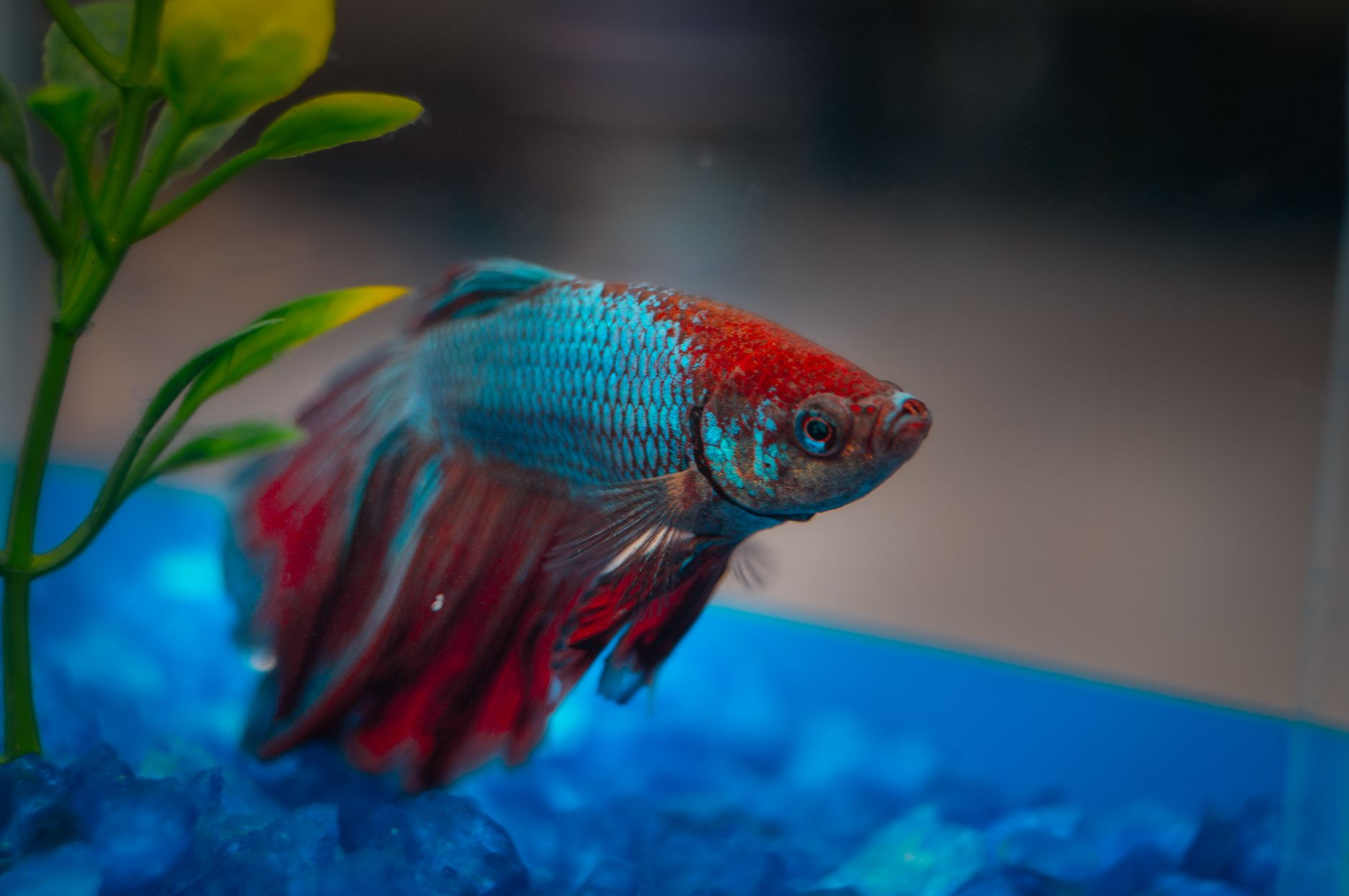
| Betta | 5–10 gal | 76–82 | Yes | Solo only; no fin-nippers |
| Neon Tetra | 10+ gal | 72–78 | Yes | School of 6+ recommended |
| Guppy | 10+ gal | 72–82 | Yes | Hardy, colorful, breeds easily |
| Corydoras Catfish | 10+ gal | 72–78 | Yes | Bottom dweller; peaceful |
| Platy | 10+ gal | 70–77 | Yes | Livebearers, easy to keep |
| Dwarf Gourami | 10+ gal | 77–82 | Moderate | Can be shy; needs plants |
| Goldfish | 20+ gal | 65–72 | No* | Cold water; needs large space |
*Goldfish are often sold for small tanks but actually need much more room and produce significant waste. They’re not a good fit for the setups described here.
How Many Fish Can I Keep?
The traditional rule of “1 inch of fish per gallon” is a rough starting point but not gospel. A 10-gallon tank could comfortably house:
- 1 betta, or
- 6 neon tetras + 2–3 corydoras, or
- 4–5 guppies
Overstocking stresses fish, crashes water quality fast, and leads to disease. When in doubt, go lighter.
Before buying anything, look up the adult size, temperature requirements, and temperament of each species. A fish that’s 1 inch in the store might reach 4 inches at maturity. Impulse purchases based on how something looks in the display tank is how most stocking problems start.
How Do I Maintain a Small Aquarium Once It’s Running?
The ongoing maintenance is simpler than people expect, but it does need to be consistent.
Weekly tasks:
- Test water parameters (ammonia, nitrite, nitrate, pH)
- Perform a 25–30% water change using a gravel siphon to remove waste from the substrate
- Treat new tap water with conditioner before adding it to the tank
- Wipe algae from the glass if needed
Monthly tasks:
- Rinse filter media in old tank water (never tap water — it kills the beneficial bacteria)
- Check heater and thermometer for accuracy
- Inspect equipment for wear
How to Do a Water Change Properly
Use a gravel siphon — a $10–$15 Python or similar tube — to vacuum debris from the substrate while you drain. Aim the tube into gravel pockets where waste accumulates. Replace with tap water treated with conditioner, matched as closely as possible to the tank’s current temperature. Cold water added quickly causes thermal shock, which stresses fish even if parameters look fine on paper.
Water changes are your most powerful tool for keeping a healthy tank. Don’t skip them even if the water “looks fine” — ammonia and nitrite are invisible.
What Water Parameters Should I Test For?
- Ammonia: 0 ppm (any reading above zero is a problem)
- Nitrite: 0 ppm (toxic even at low levels)
- Nitrate: Under 20–40 ppm (kept in check with water changes)
- pH: Most community fish do well at 7.0–7.6
- Temperature: Stable within the species’ range
Swings in temperature and pH stress fish more than slightly off numbers. Stability matters more than perfection.
What Are the Most Common Mistakes Beginners Make?
 Foto: fbnicod
Knowing what goes wrong makes it much easier to avoid.
Adding fish before the tank is cycled — The single biggest mistake. Plan for 4–8 weeks before fish go in, or use established media to shorten it.
Overstocking — It’s easy to add “just one more” fish until the tank is crammed. Resist the urge.
Overfeeding — Feed only what fish can eat in about 2 minutes, once or twice a day. Uneaten food decays and spikes ammonia.
Cleaning the filter with tap water — Chlorine kills the beneficial bacteria your filter depends on. Always rinse in tank water.
Ignoring water changes — Missing a few weeks of changes lets nitrate build up to stressful levels. Regular partial changes keep the system stable.
Buying incompatible fish — A betta with fin-nipping tiger barbs, or goldfish mixed with tropical fish requiring warm water, will end in conflict or sickness.
Not quarantining new fish — New fish can carry disease into an established tank. A simple 10-gallon quarantine tank for 2–4 weeks before adding fish to your main display can prevent outbreaks.
Panicking over cloudy water — New tanks often go through a bacterial bloom where the water turns milky white for a few days. This is normal and resolves on its own. Doing a massive water change to clear it up can stall the cycle and extend the problem. Test your parameters, confirm they’re in range, and wait it out.
Can I Add Live Plants, and Do They Help?
Live plants aren’t required, but they genuinely improve a small aquarium in several ways:
- They absorb ammonia, nitrite, and nitrate, acting as a natural biological filter
- They produce oxygen
- They reduce algae by competing for the same nutrients
- Fish use them as hiding spots, reducing stress
Easiest Plants for Beginners
You don’t need CO2 injection or fancy fertilizers to start. These species thrive under basic LED lighting:
- Java fern — Attach to driftwood or rocks; doesn’t need to be planted in substrate
- Anubias — Extremely hardy, slow-growing, tolerates low light
- Amazon sword — Good centerpiece plant for 10+ gallon tanks
- Hornwort or water wisteria — Fast-growing stem plants that eat up nutrients aggressively
- Java moss — Versatile, grows anywhere, great for shrimp and fry
Adding a handful of fast-growing stem plants like hornwort or water wisteria during the cycling phase is genuinely useful — they’ll absorb some ammonia and nitrite directly while your bacterial colony gets established, giving you a small buffer if parameters spike.
Avoid plants that need high light, CO2, or specialized substrates until you have a few months of experience under your belt.
Ready to get started? Pick up a 10 or 20-gallon starter kit — most come bundled with a filter and light — grab a heater, a bottle of Seachem Prime, and an API test kit. Set it up this weekend, let it cycle while you research your fish, and you’ll have a fully running aquarium within a month. If you run into questions about water parameters or stocking choices along the way, drop them in the comments and we’ll help you work through it.
Frequently Asked Questions
How long does it take to set up a small aquarium?
Setting up a small aquarium takes about 48–72 hours from unboxing to adding your first fish. This timeframe allows your water chemistry to stabilize properly.
What size aquarium is best for beginners?
10 to 20 gallons is the sweet spot for beginners. Smaller tanks swing in temperature and water chemistry much faster, making them harder to maintain, not easier.
Do I need all the equipment right away?
Yes, the non-negotiables are a tank, filter, heater, thermometer, substrate, water conditioner, and API Master Test Kit. LED lights and decorations are nice-to-have but not essential initially.


