
You brought your dog in for a limp that showed up Monday morning. By Thursday, you’re staring at an invoice for $847 — X-rays, an anti-inflammatory injection, and a follow-up scheduled for next week. And that’s a minor injury. A torn ligament, a blockage, or a cancer diagnosis? Those bills can run into the thousands.
Vet care costs have climbed fast. A routine wellness visit in the US now averages $250–$350 once you factor in vaccinations, parasite prevention, and basic bloodwork. In the UK and Australia, it’s a similar story. For most dog owners, the problem isn’t a lack of care for their pet — it’s that costs can spiral out of nowhere, and there’s rarely a warning.
Most of those bills are at least partially preventable — not by skipping vet visits, but by being proactive in the right places. Here’s what actually works.
1. Stay on Top of Preventive Care
This one sounds obvious until you skip a year of heartworm prevention to save $60 and end up paying $3,000 for heartworm treatment instead. Prevention is almost always cheaper than the cure — sometimes by a factor of 10.
The core of preventive care comes down to a few non-negotiables:
- Annual wellness exams: Your vet catches problems early, before they become expensive emergencies. Bloodwork can flag kidney disease, thyroid issues, or diabetes years before your dog shows symptoms.
- Parasite prevention: Monthly flea, tick, and heartworm prevention costs far less than treating the resulting infections or infestations.
- Vaccinations on schedule: Core vaccines protect against diseases that are expensive and sometimes fatal to treat. Parvovirus, distemper, and leptospirosis aren’t bills you want to see.
- Dental cleanings: A professional cleaning under anesthesia costs $300–$700. Dental disease left untreated leads to extractions, chronic pain, and systemic organ damage — all far more expensive.
Skipping these can look like savings in the short term. It rarely is.
Build a Preventive Care Calendar
Set calendar reminders for your dog’s annual checkup, monthly parasite prevention, and dental assessments. Many vets send reminders, but those emails get buried. Keep a simple note with your dog’s name, weight, vaccination history, and medication schedule — you’ll need it every time you see a different vet or travel with your dog.
Some practices offer wellness plans that bundle preventive care into a flat monthly payment. This spreads the cost throughout the year and removes the “I’ll do it next month” problem from the equation.
2. Get Pet Insurance Before You Need It
 Foto: Mikhail Nilov
Pet insurance works best when you sign up while your dog is young and healthy. Once a condition is diagnosed, it becomes a pre-existing condition — and most policies exclude it for life. That’s not a loophole; it’s the entire reason timing matters.
The math is straightforward. A solid accident-and-illness policy runs $30–$80/month for most dogs. One orthopedic surgery, cancer treatment, or major illness can cost $5,000–$15,000. The insurance pays for itself the first time something serious happens.
Choosing the Right Policy
Not all pet insurance is built the same. Here’s what to compare before you commit:
| Feature | What to look for |
|---|---|
| Reimbursement rate | 80–90% is standard; higher costs more per month |
| Annual deductible | $100–$500; lower deductible = higher monthly premium |
| Annual limit | Unlimited is ideal; $5,000–$10,000 as a minimum |
| Pre-existing conditions | Always excluded — get coverage early |
| Waiting periods | Typically 14 days for illness, 2 days for accidents |
| Hereditary conditions | Critical for breeds prone to hip dysplasia or heart disease |
Breed matters a lot here. If you have a French Bulldog, Cavalier King Charles Spaniel, or German Shepherd, look specifically for policies that cover hereditary and breed-specific conditions. These dogs are statistically more expensive to insure and to treat — but that’s also where insurance pays off most.
Top providers in the US include Figo, Healthy Paws, and Trupanion. In the UK, Petplan and ManyPets are widely used. In Australia, look at PetSure and Knose.
If your dog is already middle-aged, insurance may still be worth it — especially accident-only coverage, which is cheaper and covers trauma, poisoning, and foreign body ingestion.
3. Take Dental Health Seriously at Home
Dental disease is one of the most underestimated drivers of vet bills. By age three, around 80% of dogs show some signs of periodontal disease — and most owners don’t notice until their dog stops eating or loses a tooth.
A professional dental cleaning under anesthesia costs $300–$700+, depending on your location and how many extractions are needed. Severe dental disease can require multiple cleanings per year, plus antibiotics and post-procedure pain management.
The fix is manageable, even if your dog isn’t enthusiastic about it:
- Brush your dog’s teeth 3–4 times a week using a dog-specific enzymatic toothpaste. Even twice a week makes a measurable difference in plaque buildup over time.
- Use dental chews with a VOHC seal — the Veterinary Oral Health Council independently tests these products. Most “dental” treats are just marketing; VOHC-approved products actually reduce tartar.
- Add a water additive to your dog’s bowl daily. It takes zero effort and reduces oral bacteria consistently.
- Get a dental assessment at every annual visit so small problems get addressed before they require surgery.
Starting these habits with a puppy is easiest, but older dogs can be trained to tolerate tooth brushing with patience and high-value rewards.
4. Keep Your Dog at a Healthy Weight
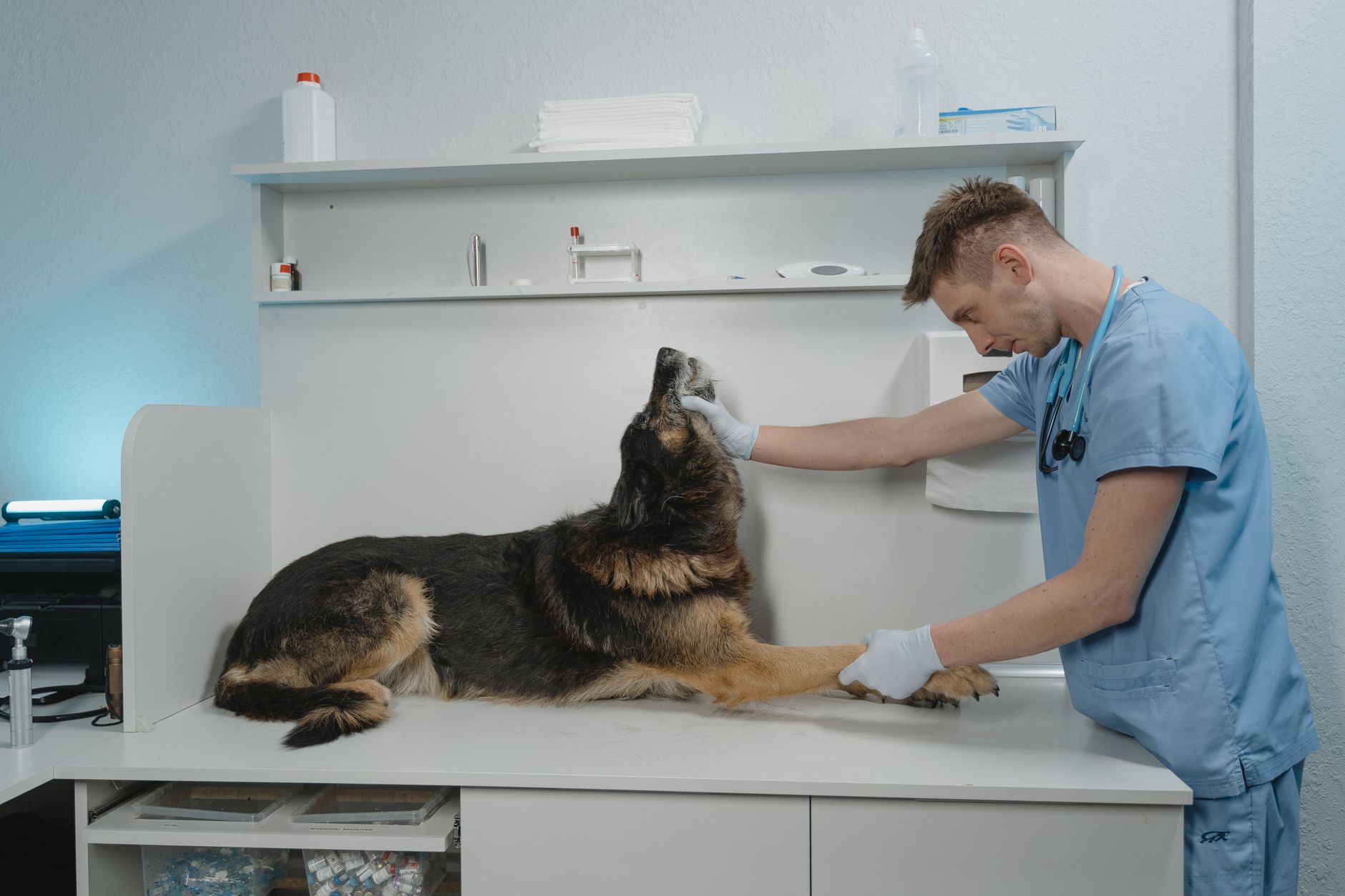 Foto: Tima Miroshnichenko
Obesity is the single most preventable driver of long-term vet costs. A dog that’s 20% overweight is significantly more likely to develop joint disease, diabetes, heart problems, respiratory issues, and certain cancers — all of which are expensive to manage for the rest of their life.
Consider what these conditions actually cost to treat:
- Arthritis and joint disease: $150–$500/month in medications and supplements, often ongoing for years
- Diabetes: Insulin, monitoring supplies, and regular vet monitoring typically add up to $1,000–$3,000/year
- TPLO surgery (for a torn cruciate ligament, which is more common in overweight dogs): $3,500–$5,500 per leg
At your dog’s next vet visit, ask about their body condition score. A healthy dog has a visible waist when viewed from above, and you should be able to feel — but not see — their ribs.
Practical Weight Management
The most common culprit is overfeeding. Specifically, trusting the feeding guide on the bag — which is typically set higher than what most adult dogs actually need. Treats are another silent contributor. Even small training treats add up quickly if you’re giving 20–30 a day.
Use a kitchen scale to measure food accurately instead of scooping by eye. Limit treats to no more than 10% of your dog’s daily caloric intake. And increase daily exercise — even an extra 30 minutes of walking per day has a measurable effect on weight, joint health, and mental wellbeing.
Your vet can calculate an accurate daily calorie target based on your dog’s specific age, size, and activity level. Worth asking at your next appointment.
5. Find Affordable Care Without Sacrificing Quality
Quality veterinary care doesn’t always come at a premium-clinic price. Several options deliver competent, supervised care at significantly lower cost.
Veterinary teaching hospitals are among the best-kept secrets in pet ownership. Vet students perform procedures under close faculty supervision, and the supervising vets are experienced specialists. Care quality is high, and prices are typically 30–60% lower than private specialty clinics. Most major cities have one affiliated with a university.
Low-cost clinics run by humane societies or animal welfare organizations offer vaccines, spay/neuter, and basic care at reduced rates. These aren’t suited for complex diagnostics, but for routine preventive care, they’re excellent.
Ask about payment plans — many private vets will work with you if you simply ask. It’s uncomfortable to bring up money when your dog is sick, but most vets would rather you get treatment than avoid the appointment. In the US, CareCredit is widely accepted at vet clinics and offers 0% interest on qualifying amounts over 6–24 months.
Get estimates for non-emergency procedures. If your dog needs a routine surgery or specialist referral, call two or three clinics and ask for a quote. This is standard in human healthcare and works just as well in veterinary medicine.
When to Use a Telehealth Vet
Veterinary telehealth has expanded significantly. Platforms like Vetster, Pawp, and TeleTails (Australia) offer video consultations for $25–$75. These work well for:
- Deciding whether a symptom warrants an in-person visit
- Behavioral questions and training concerns
- Medication questions and refill guidance
- Post-operative follow-up on minor procedures
They’re not a substitute for a physical exam when something is clearly wrong. But they can save you a $150+ emergency visit fee when you’re unsure whether that rash or limping requires immediate attention.
6. Know When to Act Fast — and When to Watch
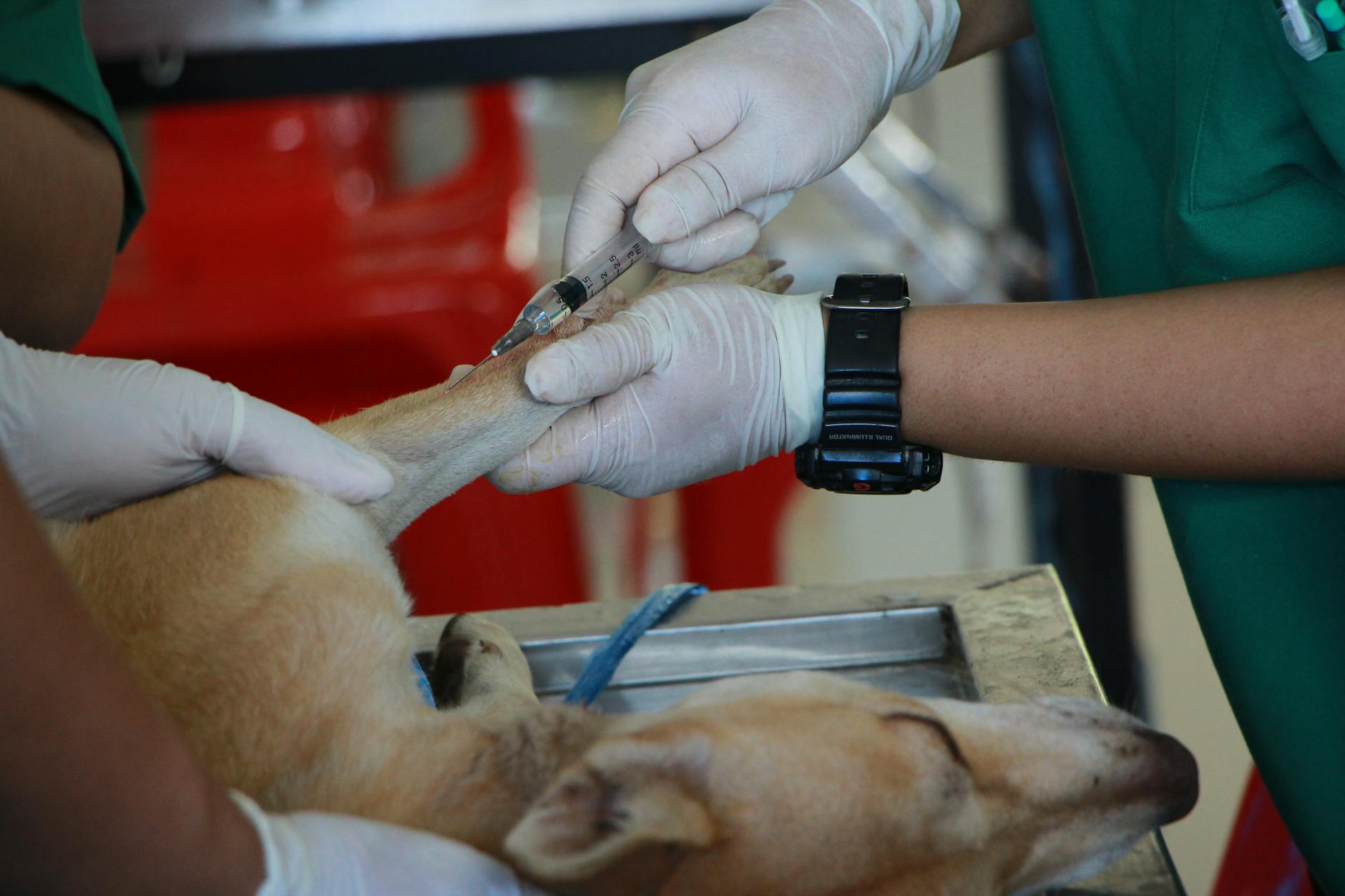 Foto: Pranidchakan Boonrom
One of the costliest mistakes dog owners make is waiting too long. A dog that’s been vomiting for three days before seeing a vet is significantly more expensive to treat than one that came in on day one. Dehydration, secondary infections, and organ stress all add to the bill.
These symptoms always need a same-day vet visit:
- Difficulty breathing or unusual respiratory effort
- Suspected ingestion of a toxin — grapes, xylitol, rat poison, or human medications
- Inability to urinate, especially in male dogs
- Bloated or distended abdomen combined with retching
- Collapse or sudden inability to stand
- Pale, blue, or white gums
- Seizures lasting more than two minutes
Acting quickly on these doesn’t just protect your dog — it often reduces treatment costs substantially because less damage has occurred by the time you arrive.
On the other hand, a single episode of loose stools in an otherwise alert dog, minor cuts that aren’t deep, or mild limping where your dog is still bearing weight can typically be monitored for 24–48 hours before heading in. A telehealth consult can help you triage these situations without paying a full visit fee.
The Payoff for Being Proactive
Dog owners who stay consistent with preventive care, keep their pets at a healthy weight, and catch problems early routinely spend $3,000–$8,000 less over a dog’s lifetime compared to owners managing the same issues reactively — and that’s a conservative estimate if a major condition goes undetected until it’s advanced.
These aren’t workarounds or shortcuts. They’re the same protocols vets follow for their own pets — because prevention genuinely delivers better outcomes at lower cost, every time.
Start with the changes that have the biggest immediate impact: get parasite prevention sorted, book that overdue annual exam, and look up a pet insurance policy now, while your dog is still healthy. From there, build the daily habits — dental care, weight management, and knowing your local affordable options — that protect both your dog and your finances for years to come.
Not sure where to begin? Bring this list to your next vet appointment and ask which of these your dog needs most urgently. A good vet will give you a straight answer — and it might be the most valuable $80 you spend all year.
Frequently Asked Questions
How much does preventive care cost compared to emergency vet bills?
Annual preventive care (wellness exams, vaccinations, parasite prevention) costs $250–$350 in the US and UK. Emergency treatment for conditions like heartworm can cost $3,000+, making prevention 10x cheaper.
What are the most important preventive care items for dogs?
Annual wellness exams, monthly parasite prevention (flea, tick, heartworm), on-schedule vaccinations, and professional dental cleanings ($300–$700) are the core preventive care that saves the most money long-term.
How can I avoid unexpected vet bills for my dog?
Stay on top of preventive care, catch problems early with annual bloodwork, maintain dental health, and consider pet insurance to spread major costs over monthly premiums instead of facing large emergency bills.


