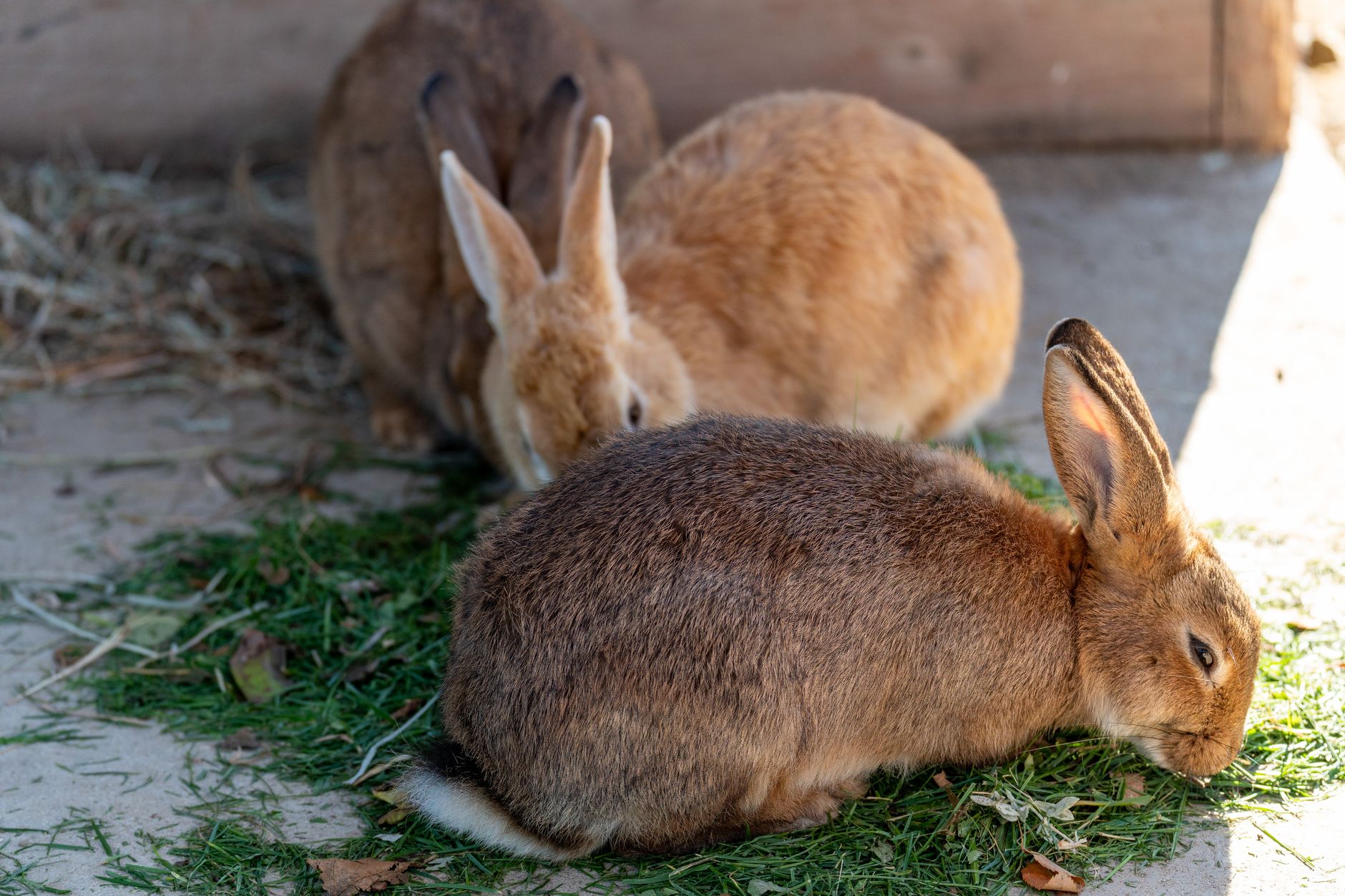
What’s the best outdoor rabbit hutch for beginners? The short answer: a solid wood hutch with a waterproof roof, wire mesh panels, a separate sleeping compartment, and an attached run — at least 6 feet long for a single rabbit. That’s your baseline. Everything beyond that depends on your climate, your rabbit’s breed, and how much space you have.
If you’re new to rabbit keeping, the hutch decision feels overwhelming. Hundreds of options, wildly different price points, and a lot of conflicting advice online. This guide cuts through it.
What size outdoor rabbit hutch does a beginner actually need?
Buying too small is the most common mistake new rabbit owners make.
The minimum from most rabbit welfare organizations — including the RSPCA in the UK and the House Rabbit Society in the US — is 6 feet long × 2 feet wide × 2 feet tall for a single rabbit. For a bonded pair, go bigger.
That’s a bare minimum, not a target. Rabbits are active animals. They need space to run, stand fully upright on their hind legs, and stretch out flat. If your hutch doesn’t allow all three of those movements, it’s too small.
What about the attached run?
A hutch with an attached run is a smarter buy than a hutch alone. Rabbits need a minimum of 3–4 hours of free exercise every day — more is better. An integrated run of 8 feet or longer lets your rabbit move between sleeping area and exercise space without requiring constant supervision.
Look for runs with a solid base or wire mesh floor (to prevent digging out or predators digging in), and confirm the run connects cleanly to the hutch opening with no gap your rabbit can wedge through.
Does breed size change what you need?
Yes, significantly. A dwarf rabbit under 4 lbs needs far less floor space than a Flemish Giant, which can exceed 20 lbs. For large breeds, start with a hutch at least 8 feet long. The cost difference between a 6-foot and 8-foot hutch is usually $30–50. The welfare difference is substantial.
What materials make a good outdoor rabbit hutch?
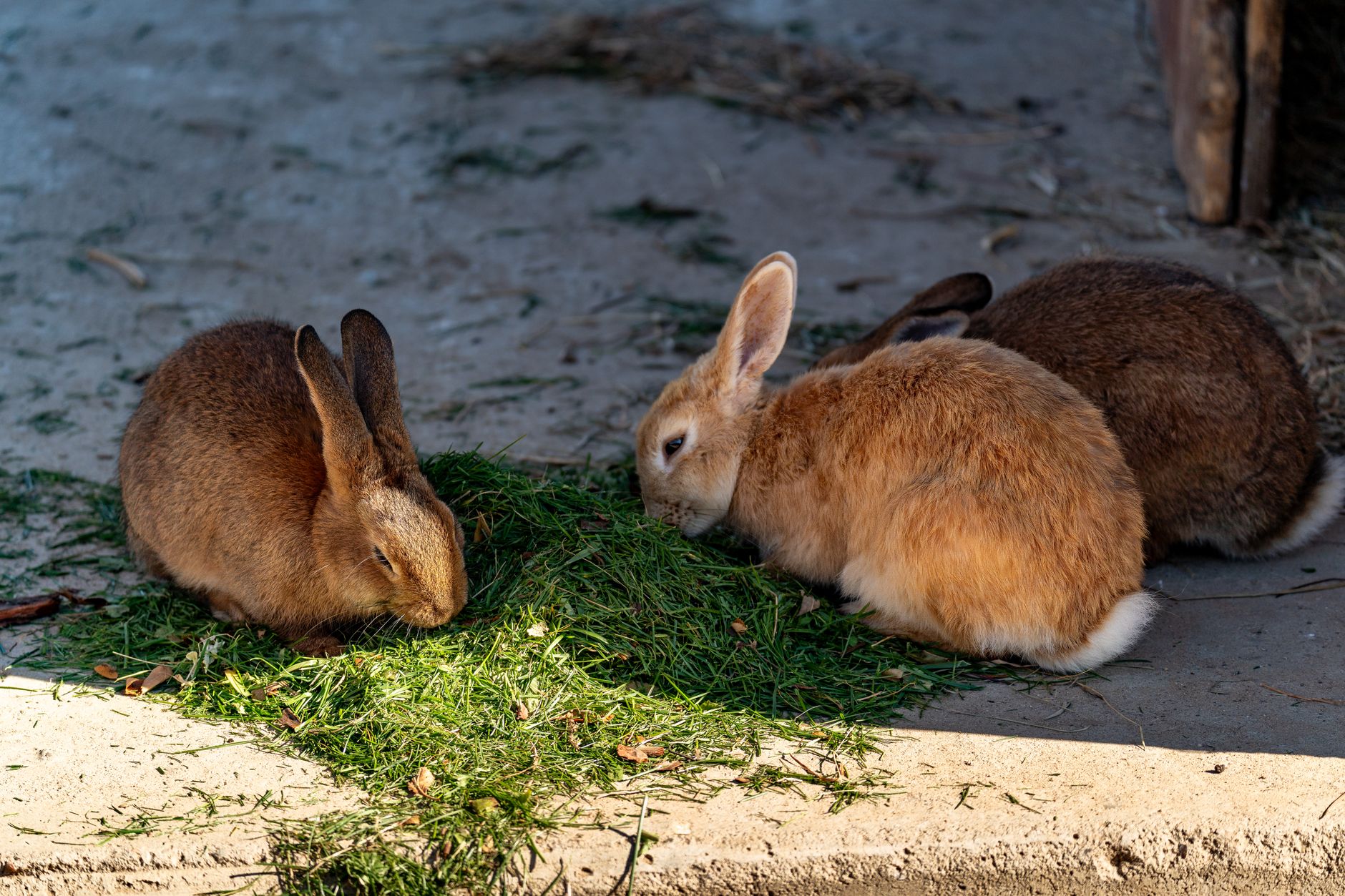 Foto: Gundula Vogel
Outdoor hutches take real abuse — rain, UV exposure, temperature swings, chewing. Materials determine whether your hutch lasts one season or five.
Wood: Most hutches use FSC-certified softwood (fir or pine). Quality varies enormously. Look for:
- Tongue-and-groove or overlapping panel construction — handles rain far better than butt-jointed panels
- Boards at least 12mm thick — thinner wood warps and splits within a season
- Non-toxic, pet-safe wood stain or treatment on all exterior surfaces
Wire mesh: This is where cheap hutches cut corners. You want 16-gauge welded wire mesh, not the thin hexagonal chicken wire standard on budget models. Chicken wire keeps rabbits in but doesn’t keep predators out — foxes, raccoons, and determined cats can tear through it. Run your hand along the wire edges before installation; sharp cut ends are common on low-quality mesh and will injure your rabbit.
Roofing: Look for a felt or rubber-coated roof that overhangs the sides by at least 2 inches. A flat roof with no overhang lets rain run straight down the walls and into seams. Over a couple of winters, that destroys the wood from the inside out.
Plastic components: Some hutches use plastic for trays, roof panels, or sliding doors. Easy to clean, but plastic becomes brittle below freezing. If you’re in a region with hard winters, all-wood construction holds up better long-term.
How do you weatherproof an outdoor rabbit hutch?
Buying a hutch is step one. Keeping it weatherproof is ongoing.
Positioning comes first. Face the hutch away from the prevailing wind direction — in the UK that’s typically south or southeast-facing. Elevate it on legs (most hutches include these) to keep the base off wet ground. Positioning near a fence, under a tree canopy, or beneath a porch roof dramatically reduces direct exposure to driving rain.
Treat the wood annually. Apply a pet-safe wood preserver or exterior paint to all exposed surfaces, including the underside of the floor if accessible. Avoid creosote and solvent-based products entirely — both are toxic to rabbits. Ronseal Fence Life and similar water-based products work well once fully dry.
Add a weatherproof cover in cold months. A fitted hutch cover — typically heavy canvas or PVC, sold separately for $20–40 — reduces heat loss significantly and keeps the interior dry during storms. This is the cheapest single upgrade you can make to an average hutch.
What temperature is too cold for an outdoor rabbit?
Domestic rabbits tolerate temperatures down to around 40°F (5°C) with adequate bedding — at least 6–8 inches of meadow hay or barley straw packed into the sleeping compartment. Below freezing is a genuine risk for young, elderly, or sick rabbits.
In the UK and northern US states, plan to either bring rabbits indoors or into a garage during the coldest months, or heavily insulate with covers and bedding. Replace damp bedding immediately — wet hay in freezing temperatures drops hutch temperature faster than the cold air alone.
In Australia, the concern is the opposite: rabbits are highly susceptible to heat stress above 85°F (29°C). Shade, ventilation, and frozen water bottles in the hutch are essential during summer.
Which outdoor rabbit hutches are worth buying as a beginner?
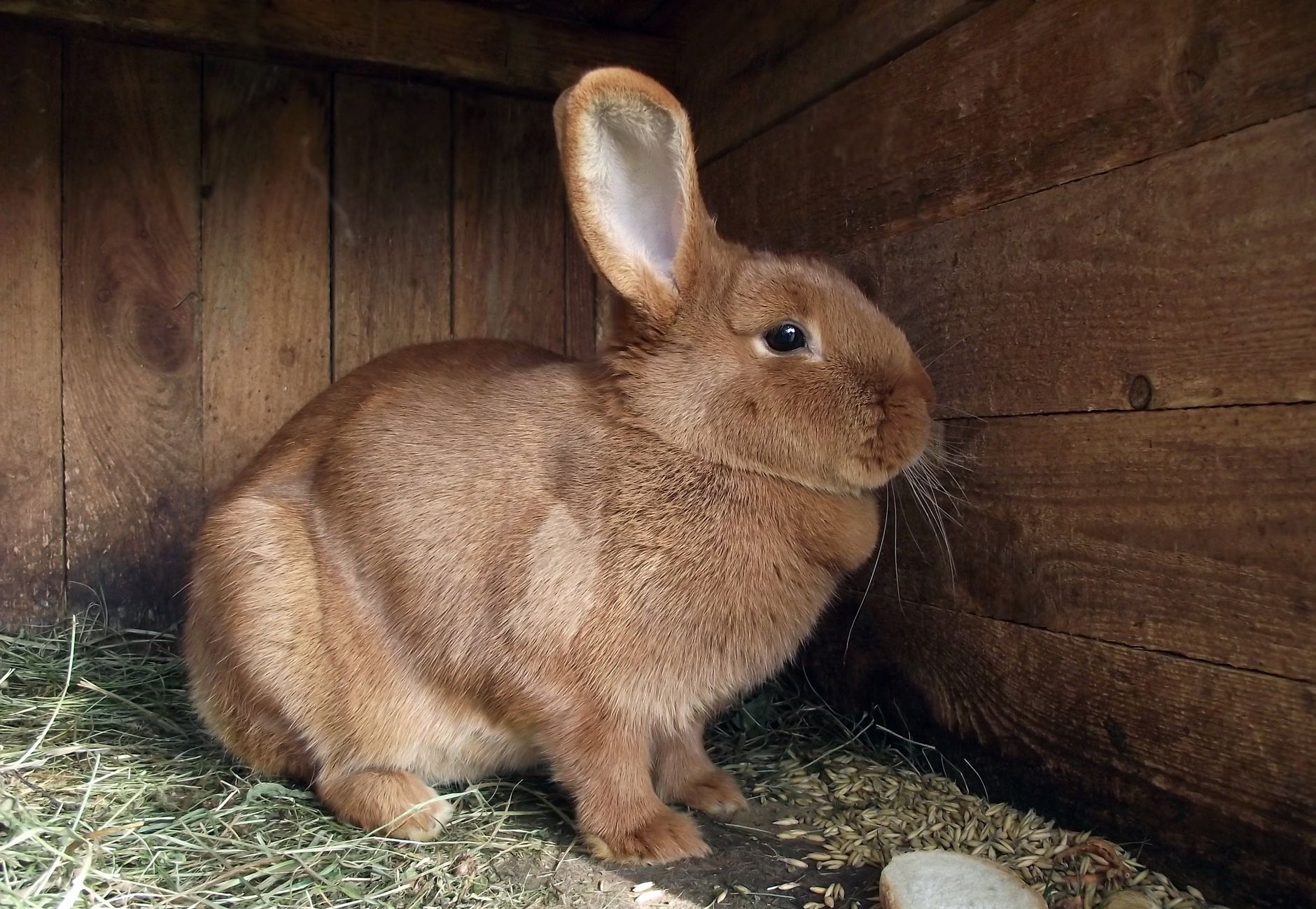 Foto: MrGajowy3 Teodor
Here’s a comparison of the most popular options in the beginner price range ($150–$350 / £100–£250):
| Hutch | Size | Construction | Attached Run | Best For |
|---|---|---|---|---|
| Petsfit 2-Story Outdoor Hutch | 48"L × 25"W | Solid fir, asphalt roof | No | Small breeds, budget buyers |
| Trixie Natura XL Hutch | 63"L × 35"W | Spruce wood, bitumen roof | No | Medium breeds, UK/EU market |
| Aivituvin Rabbit Hutch with Run | 72"L × 24"W | Solid fir, waterproof roof | Yes (48") | Beginners wanting all-in-one |
| Pets Imperial® Winchester | 72"L × 22"W | Tongue-and-groove spruce | Yes (4') | UK beginners, quality build |
| PawHut Large Rabbit Hutch | 78"L × 31"W | Fir + asphalt roof | Yes (large) | Two rabbits or large breeds |
| Omlet Eglu Go Rabbit Hutch | 48"L × 20"W | Twin-wall plastic | Yes (modular) | Easy cleaning, modern design |
A few notes on this list:
Aivituvin gets consistently strong reviews from beginner rabbit owners because the run is genuinely usable — not a token 24-inch attachment — and the price sits in a sensible range. Build quality is solid for what you pay, though the wire gauge should be reinforced if you’re in an area with active fox or raccoon pressure.
Pets Imperial® Winchester is the default recommendation in UK rabbit keeping forums for good reason. The tongue-and-groove construction handles sustained British weather better than butt-jointed alternatives, and the latching system is more secure than similarly priced competitors.
Omlet Eglu costs significantly more but operates on a different design logic entirely. The twin-wall plastic is easy to disinfect, doesn’t rot, and the modular run extends in 1-meter sections as needed. If minimal maintenance matters more than upfront cost, it’s worth the premium.
Avoid any hutch with no brand reviews, generic marketplace listings with no product history, or anything that doesn’t specify wire gauge and wood thickness in the product description.
What do you actually need to put inside the hutch?
The hutch is a shell. What you put in it determines whether your rabbit is comfortable or stressed.
Bedding: Pack 6–8 inches of meadow hay or barley straw into the sleeping compartment. Avoid sawdust — it’s a respiratory irritant — and never use cedar or pine shavings, which contain aromatic oils toxic to small animals.
Sleeping compartment: Most hutches divide the interior with a solid-walled sleeping box. Make sure your rabbit actually uses it — if it’s too cramped to turn around in, they’ll avoid it entirely and sleep in the open section instead.
Water: Both bottles and bowls work. Bottles attach to the wire and stay cleaner; heavy ceramic bowls are more natural for drinking but tip over. In freezing temperatures, check water every morning — shallow bottles freeze solid faster than you’d expect.
Litter tray: Even outdoor rabbits benefit from a shallow plastic tray in one corner, filled with rabbit-safe paper pellets or pressed cardboard litter. Most rabbits will use it naturally, and it makes weekly cleaning take 10 minutes instead of 30.
Hay rack: Hay should be available at all times. A rack keeps it off the floor, out of the litter area, and reduces the volume wasted to trampling.
What toys or enrichment does an outdoor rabbit need?
Bored rabbits chew hutch wood, bar-bite, and become lethargic. A few low-cost additions prevent most of that:
- Willow balls or tunnels — inexpensive, safe to chew, and rabbits genuinely interact with them
- Cardboard boxes with holes cut out — instant hideout and chewing opportunity, free from any delivery box
- Digging box — a plastic storage container filled with child-safe sand or topsoil in the run satisfies digging instinct without destroying your garden
- Wooden chew sticks (apple, willow, hazel) — keeps teeth worn down naturally between vet checks
How do you predator-proof an outdoor rabbit hutch?
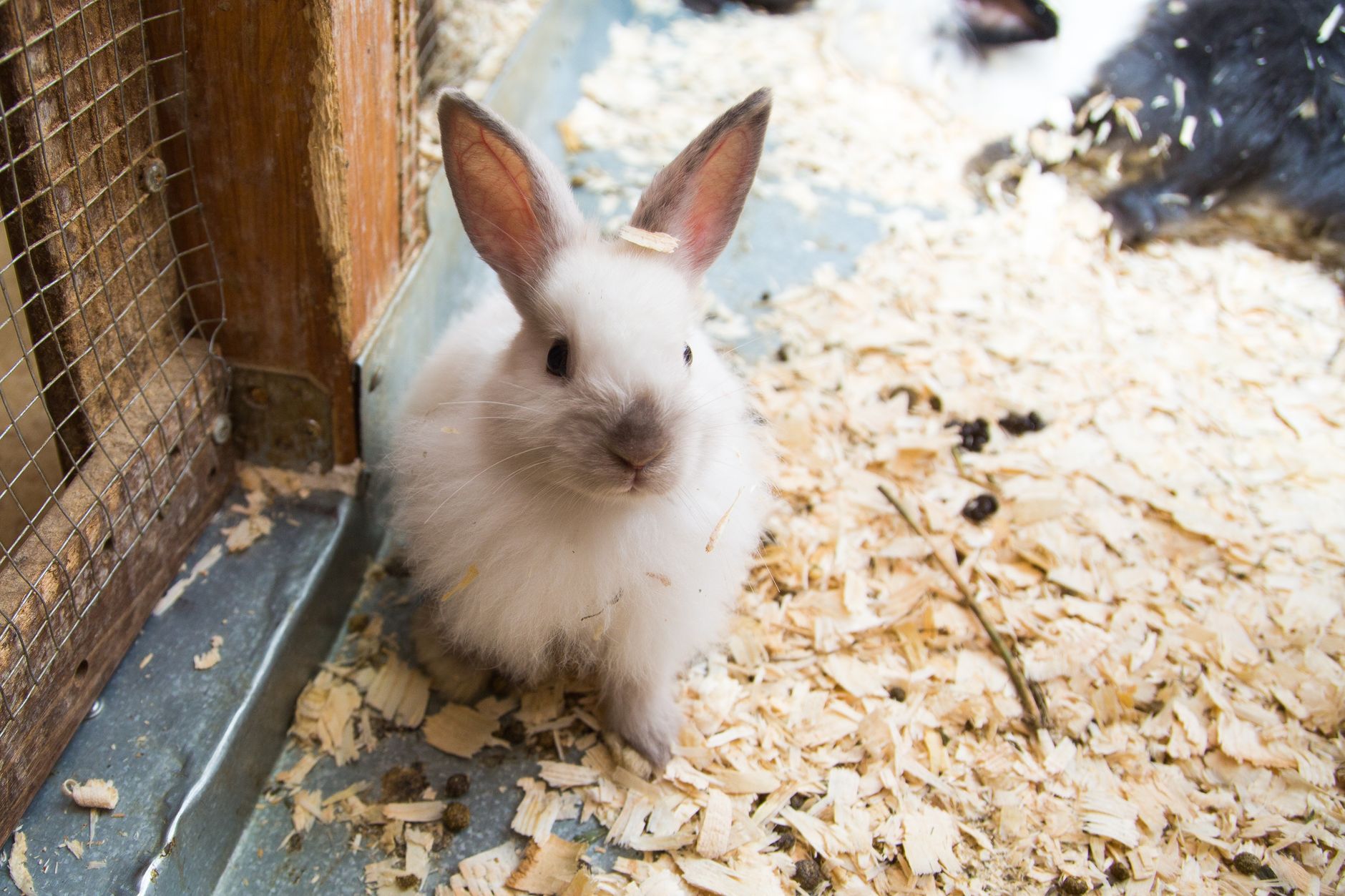 Foto: Dmitry Sidorov
Most beginner guides skip this section. Don’t.
Foxes, raccoons, coyotes, dogs, mink, and large birds of prey all pose real threats depending on your location. A standard wooden hutch with chicken wire is not adequate protection in most suburban or rural areas.
Upgrade the wire. Replace or reinforce any chicken wire with 16-gauge welded hardware cloth. Foxes can tear standard chicken wire with their teeth in under a minute.
Secure every latch. Foxes and raccoons routinely open simple bolt latches — they’ve been observed doing it repeatedly on camera. Use padlocks or steel carabiner clips on all doors, access panels, and the run entrance.
Address the floor. If your run sits on grass, predators will dig under it within days of identifying your rabbit. Either use a wire mesh floor inside the run, or extend the mesh outward as a horizontal skirt buried 6–8 inches underground around the perimeter.
Inspect after storms. High winds loosen fittings and shift panels. A hutch that passes your daily check in fair weather may have a compromised panel after a storm. Build a post-weather check into your routine.
Move rabbits in at night where possible. The majority of predator attacks happen between dusk and dawn. If you have access to a garage or shed, moving the hutch inside at night eliminates a significant portion of the risk — particularly in areas with known fox or coyote activity.
Is an outdoor hutch the right choice, or should your rabbit be indoors?
This is worth reconsidering before you buy anything.
Indoor rabbits have longer average lifespans, are more socialized, and health changes are easier to spot when your rabbit is living alongside you. They’re also fully protected from predators and weather by default.
Outdoor hutches work well when:
- You have a garden or yard with enough room for a proper setup — hutch plus run plus clearance around them
- You’re willing to commit to weatherproofing, predator-proofing, and daily checks
- Your rabbit breed handles cooler temperatures well (larger breeds typically do)
- You have time to interact with your rabbit daily even with it housed outside
If you’re in an apartment or a home with a small outdoor space, an indoor pen or free-roam indoor setup is genuinely better — for the rabbit’s welfare and for yours.
Ready to choose your hutch? Start with the Aivituvin or Pets Imperial® Winchester if you want a reliable all-in-one option that covers most beginner needs without overcomplicating things. Add hardware cloth reinforcement on the wire, steel latches on every door, and a fitted weatherproof cover — those three upgrades turn an average hutch into a genuinely safe, weatherproof home. Your rabbit will spend years in that hutch. Getting the setup right from the start costs less than fixing it after the first hard winter, or worse, after the first predator visit.
Frequently Asked Questions
What size outdoor rabbit hutch does a beginner actually need?
The minimum is 6 feet long × 2 feet wide × 2 feet tall for a single rabbit. Rabbits need space to run, stand fully upright on hind legs, and stretch out flat.
What about the attached run?
A hutch with an attached run lets rabbits exercise without constant supervision. Look for runs 8 feet or longer with solid base or wire mesh floor to prevent digging and predators.
Does breed size change what you need?
Yes, significantly. Large breeds like Flemish Giants (over 20 lbs) need at least 8 feet long hutches, while dwarf rabbits under 4 lbs need less space. Cost difference is usually $30–50.


