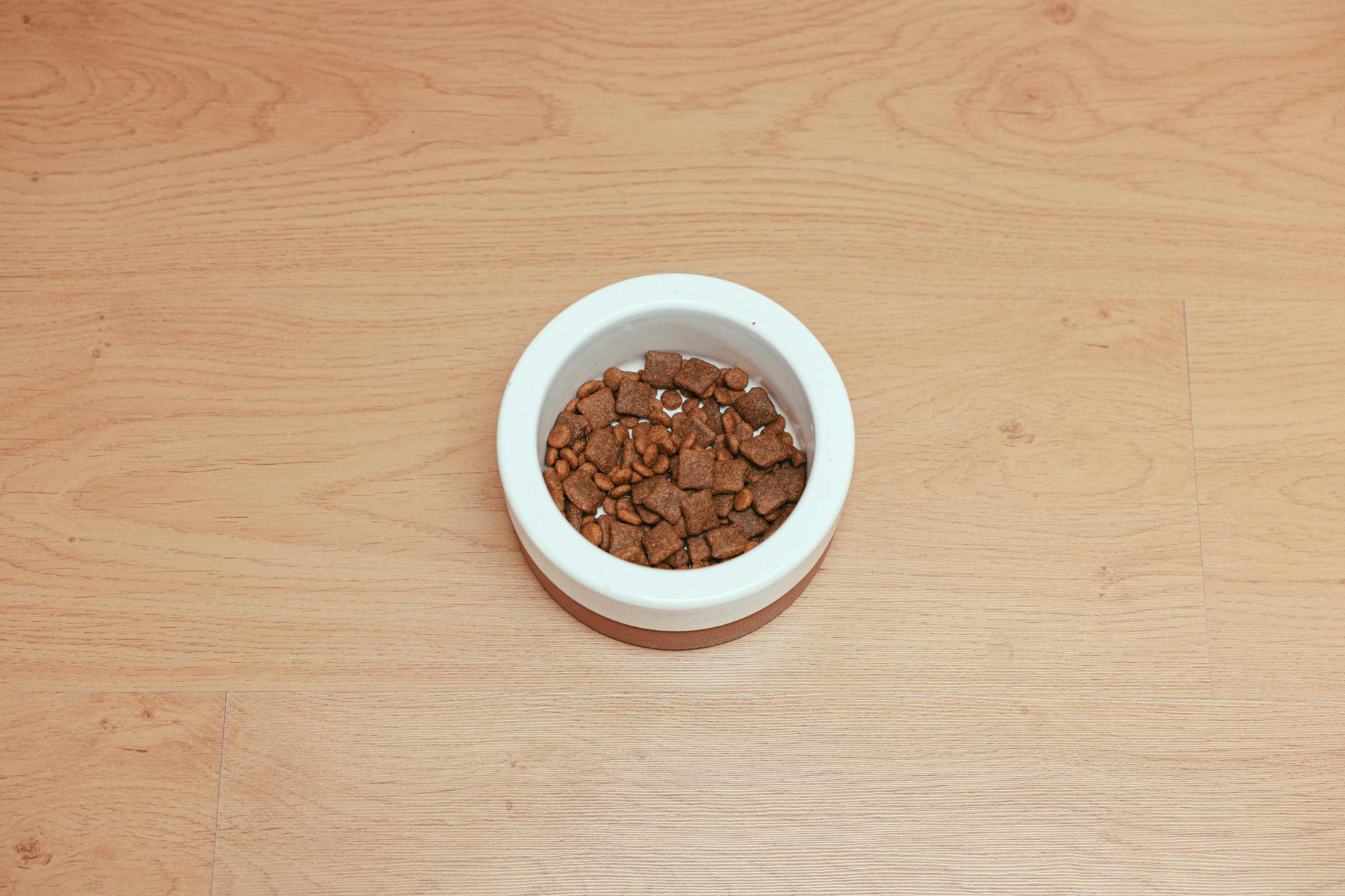
What’s the best grain-free dog food for a sensitive stomach? If that’s what you typed into Google at 11pm while cleaning up the third mess of the week, you’re not alone. The short answer: Merrick Grain Free, Taste of the Wild, Canidae Pure, Zignature, and Blue Buffalo Wilderness consistently rank highest for dogs with digestive issues. But which one is right for your dog depends on what’s actually causing the problem — and grain might not even be the culprit.
Is grain-free food actually better for dogs with sensitive stomachs?
Not automatically, and that matters before you spend money switching.
Grains themselves aren’t toxic or even problematic for most dogs. The majority of dogs digest rice, oats, and barley without issue. The ones that don’t tend to react specifically to wheat (gluten) and corn — and even then, true grain intolerance is less common than most pet food marketing suggests.
The more frequent offenders behind sensitive stomachs are high-fat formulas, artificial additives, and protein sources — chicken is the single most common food allergen in dogs, a fact made worse by how many “grain-free” formulas still lead with chicken as their primary protein.
What actually causes a sensitive stomach in dogs?
- Food sensitivities or allergies (protein-triggered more often than grain-triggered)
- Transitioning foods too quickly — moving from one formula to another in under a week is enough to trigger a week of loose stools in an otherwise healthy dog
- High fat content, which slows gastric emptying and causes loose stools; anything above 18% fat on a dry matter basis can be problematic for sensitive dogs
- Artificial preservatives, colors, and flavor enhancers irritating the gut lining
- Eating too fast and swallowing air
- Underlying conditions like IBD, EPI, or intestinal parasites that won’t respond to diet changes alone
How do you know if grain is the specific problem?
Look for these patterns:
- Symptoms improve consistently when you remove grain-heavy foods and return when you reintroduce them
- Chronic loose or mucusy stools that don’t resolve with other dietary tweaks
- Recurring ear infections alongside GI issues — this combination strongly suggests food sensitivity
- Skin reactions (itching, redness, hotspots) alongside digestive symptoms
The only reliable way to confirm a grain sensitivity is an 8–12 week elimination diet under vet guidance. Switching to “grain-free” without that process is essentially guessing — and an expensive guess at that.
What should I look for on a grain-free dog food label?
 Foto: Helena Lopes
The grain-free category has a quality problem. Many brands simply swap grains for cheap starches — white potato, tapioca, arrowroot — that provide little nutritional value and can spike blood sugar without supporting gut health.
Ingredients to prioritize
- Named animal protein in the top position — “deboned salmon,” “turkey,” “lamb” (not vague terms like “poultry by-product” or “meat meal” as the lead ingredient)
- Short ingredient lists — fewer ingredients means fewer potential triggers and easier troubleshooting; under 20 is a reasonable target
- Digestible complex carbs — sweet potato, lentils, chickpeas in moderate amounts (not as the dominant ingredients)
- Added probiotics and prebiotics — directly supports the gut microbiome; look for Lactobacillus acidophilus, Bifidobacterium animalis, or Enterococcus faecium in the supplement panel
- Omega-3 fatty acids — reduce gut lining inflammation, especially from fish oil or flaxseed
- Taurine supplementation — particularly important in legume-heavy grain-free diets
Ingredients to avoid
- Wheat, corn, soy (clear exclusions for grain-sensitive dogs)
- Artificial colors — Red 40, Yellow 5, Blue 2 — zero nutritional value and documented gut irritants in sensitive animals
- BHA, BHT, ethoxyquin — synthetic preservatives associated with digestive disruption
- Carrageenan — used as a thickener in wet foods, associated with gut inflammation in clinical research
- Generic “animal fat” or “meat meal” with no species named — inconsistent sourcing, variable protein quality batch to batch
- White potato as the first or second carbohydrate — low fiber, low nutrient density
Which grain-free dog food brands actually work for sensitive stomachs?
Here’s how the top performers compare on the criteria that matter most for digestive health:
| Brand | Primary Protein | Key Features | Sensitive Stomach Rating |
|---|---|---|---|
| Merrick Grain Free | Beef, chicken, or salmon | Probiotics added, zero corn/wheat/soy, high real meat content | ⭐⭐⭐⭐⭐ |
| Taste of the Wild | Buffalo, salmon, venison | Proprietary probiotic blend, excellent value, diverse protein options | ⭐⭐⭐⭐⭐ |
| Canidae Pure | Limited (4–8 ingredients) | Best for elimination diets, real meat first, minimalist formula | ⭐⭐⭐⭐⭐ |
| Zignature | Turkey, duck, lamb, trout | Single animal protein per formula, ideal for multi-allergen dogs | ⭐⭐⭐⭐ |
| Blue Buffalo Wilderness | Chicken, salmon, duck | LifeSource nutrient blend, no chicken by-product meal | ⭐⭐⭐⭐ |
| Natural Balance L.I.D. | Sweet potato & fish or duck | Ultra-limited ingredient, widely vet-recommended | ⭐⭐⭐⭐ |
Merrick Grain Free is the most frequently cited by owners reporting measurable improvement — firmer stools, less gas, reduced vomiting — within two to three weeks of switching. The Texas Beef & Sweet Potato formula runs at 30% protein and 17% fat on a dry matter basis, keeping fat at a level that’s palatable without triggering slow gastric emptying. The Salmon & Sweet Potato formula is the better pick for dogs that have already shown a reaction to beef or chicken.
Taste of the Wild earns its reputation through protein sourcing and a proprietary probiotic blend — their K9 Strain Proprietary Probiotics — delivering 80 million CFU per pound and present in every formula. The Pacific Stream formula (smoked salmon) is the standout for dogs reacting to chicken or beef, since salmon is a lower-allergen protein. It’s also one of the best value-per-quality options in the premium grain-free category, typically running $1.50–$2.00 less per pound than Merrick.
Canidae Pure is the right call when you genuinely don’t know what’s triggering the problem. The Sea Formula contains just five ingredients: salmon, menhaden fish meal, sweet potato, potato, and pea. That’s it. It strips away every variable and gives you a clean diagnostic baseline. The Meadow Formula (lamb) fills the same role for dogs with fish sensitivities.
Zignature is built for dogs with multiple food sensitivities. Each formula contains a single animal protein, and their legume content is lower than most competitors — peas appear in the ingredient list but consistently outside the top five. The Turkey & Turkey Meal Formula and the Trout & Salmon Meal Formula are the most commonly recommended for dogs that have already failed on chicken, beef, and lamb.
How long will it take before my dog’s stomach improves?
 Foto: Connor Scott McManus
Most owners see initial improvement in stool consistency within 7–14 days. Full stabilization — where symptoms have resolved and stools are consistently normal — typically takes 3–6 weeks.
The transition period is where most owners go wrong. Loose stools during the first week are normal and don’t mean the new food isn’t working. The gut microbiome takes time to adjust to new protein and carbohydrate sources. Switching again at that point creates a cycle that compounds the problem rather than solving it.
How to transition without causing a flare-up
Use this schedule:
- Days 1–3: 75% old food, 25% new food
- Days 4–6: 50/50 split
- Days 7–9: 25% old food, 75% new food
- Day 10 onward: 100% new food
If you notice loose stools at any stage, hold at that ratio for 2–3 extra days before advancing. Some dogs with severe sensitivities need a 14–21 day transition rather than 10.
Plain canned pumpkin — pure pumpkin only, not pie filling, which contains spices and sugar — is the most practical tool to firm stools during transition. One tablespoon per 10 lbs of body weight per meal, up to four tablespoons total, adds soluble fiber that stabilizes stool consistency without disrupting the dietary shift.
Are there any risks I should know about with grain-free diets?
Yes, and skipping past this would be a disservice.
In 2019, the FDA launched an investigation into a potential connection between grain-free diets and dilated cardiomyopathy (DCM), a serious heart condition in which the heart chambers enlarge and weaken. The concern focused specifically on formulas where legumes — peas, lentils, chickpeas — appeared prominently in the ingredient list, often as the third, fourth, or fifth ingredient.
The research is ongoing and no definitive causal link has been proven. But the signal has been consistent enough that it warrants attention, especially for dogs on these diets long-term.
Practical steps to reduce risk:
- Choose formulas where legumes appear further down the ingredient list, not in the top five
- Prioritize fish-based formulas — fish is naturally rich in taurine, which supports cardiac function
- Look for added taurine in the supplement panel
- Schedule cardiac checkups annually if your dog has been on grain-free for more than a year
- Ask your vet about a taurine blood level test if your dog is a breed predisposed to DCM — Golden Retrievers, Great Danes, Dobermans, Cocker Spaniels, Irish Wolfhounds
Some owners rotate between a quality grain-free formula and a whole-grain option (brown rice, oats) every few months, which reduces long-term legume exposure while still limiting grain intake during active flare periods.
What else can help a dog with a sensitive stomach — beyond switching food?
 Foto: Rafael Rodrigues
Diet is the foundation, but it rarely works alone. Dogs with chronic digestive issues improve faster when food quality changes are paired with feeding practice adjustments.
Feeding habits that reduce digestive stress:
- Split daily portions into two or three smaller meals rather than one large one — a 40 lb dog that eats one large meal produces more gastric acid than the same dog eating two evenly-spaced smaller ones
- Use a slow-feeder bowl if your dog eats fast; swallowed air is a primary driver of bloating and gas
- Keep meal times consistent — irregular schedules disrupt digestive enzyme production
- Don’t feed immediately before or after vigorous exercise
Supplements that actually move the needle:
- Probiotics — Purina Pro Plan FortiFlora (one packet daily, mixed into food) is the most consistent over-the-counter option and the one most frequently recommended by veterinary gastroenterologists. Zesty Paws Probiotic Bites are a solid second choice for dogs that refuse powder-format supplements.
- Digestive enzymes — helpful for dogs that don’t break down protein or fat efficiently. Signs include undigested food visible in stool or persistent loose stools despite a clean diet. Prozyme and NaturVet Digestive Enzymes are reliable products.
- Slippery elm bark — a natural mucilage that coats and soothes irritated gut lining. Dose at roughly 1/4 teaspoon per 10 lbs, mixed into food. Low risk, widely tolerated, effective during active flare-ups.
- Plain pumpkin puree — soluble fiber that works bidirectionally, firming loose stools and softening constipation without disrupting gut function.
When to stop adjusting food and return to the vet:
If symptoms persist beyond six weeks on a quality grain-free diet with a proper transition, something beyond diet is likely at play. Return to your vet if you see blood in the stool, unexplained weight loss, vomiting more than twice per week, or a dog that has stopped showing interest in food. IBD, EPI, intestinal parasites, and other conditions require medical treatment that no dietary change can resolve.
The best starting point for most dogs: Canidae Pure or Taste of the Wild Pacific Stream if you’re running an elimination to find the trigger, or Merrick Grain Free if you’ve already ruled out chicken and want the strongest all-around formula. Transition over 10–14 days, give it a full six weeks before judging results, and track stool quality daily in the first month. Your dog’s gut will give you consistent, honest feedback — you just have to pay attention long enough to hear it.
Frequently Asked Questions
Is grain-free food actually better for dogs with sensitive stomachs?
Not automatically. Grains themselves aren’t toxic for most dogs; the real offenders are high-fat formulas, artificial additives, and protein sources like chicken, not grain content.
What actually causes a sensitive stomach in dogs?
Common causes include food sensitivities (especially protein-triggered), switching foods too quickly, fat content above 18%, artificial preservatives, eating too fast, and underlying conditions like IBD or intestinal parasites.
How do you know if grain is the specific problem?
Look for consistent symptom improvement when switching to grain-free formulas, and observe reactions to specific grains like wheat or corn rather than all grains.


