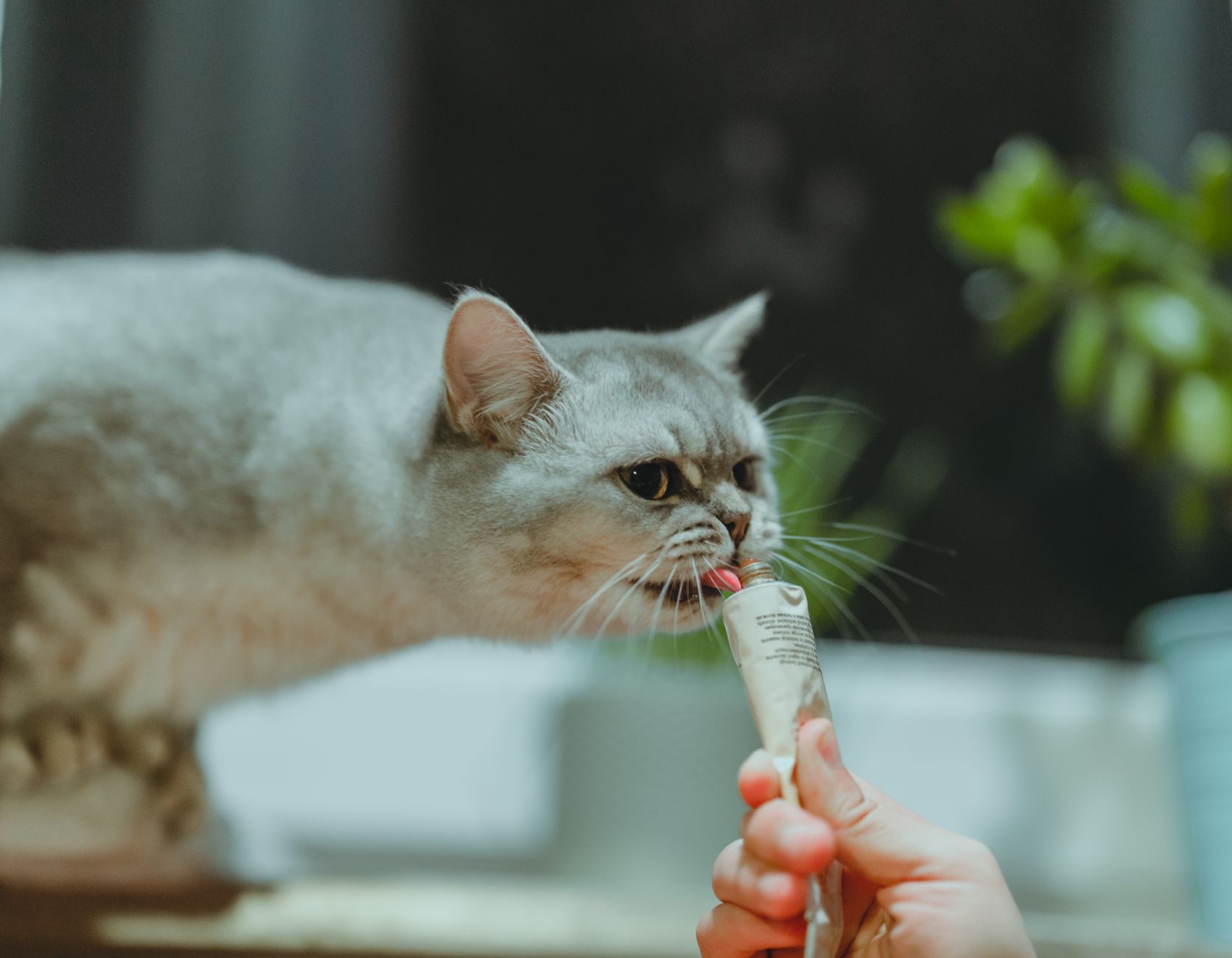
Around 70% of cats show signs of dental disease by age three. Not seven, not ten — three. That’s younger than most cats reach full adulthood, and most owners have no idea it’s happening until their cat stops grooming, loses weight, or flinches when touched near the face.
Dental treats won’t fix a cat who already has gum disease or tooth resorption — that needs a vet visit. But the right treat, used consistently, can genuinely slow plaque buildup and reduce the odds of your cat needing an expensive dental procedure under anesthesia. Here’s what actually works, what’s marketing fluff, and how to choose wisely.
Do cat dental treats actually remove plaque — or is this just clever marketing?
Short answer: some of them work, most of them don’t.
The confusion comes from how the category is marketed. “Dental” or “oral care” on the bag doesn’t mean a treat has been tested or proven effective. Plenty of products use those words while delivering nothing more than a slightly different texture.
The ones that genuinely help tend to work through one of two mechanisms:
- Mechanical abrasion — the treat’s texture physically scrubs the tooth surface as the cat chews, similar to how brushing works
- Active ingredients — compounds like sodium hexametaphosphate (SHMP) or enzymes that bind to calcium in saliva and slow tartar formation
For a treat to make a real dent in plaque, it needs to be chewed — not inhaled whole. This is why cats who eat dental treats in two bites without much contact between the treat and the gum line see little benefit.
What does the VOHC seal mean?
The Veterinary Oral Health Council (VOHC) independently evaluates pet dental products and awards a seal to those that have been shown in clinical trials to reduce plaque or tartar by at least 10%. It’s not a perfect system, but it’s the closest thing to a verified standard in the pet dental space.
A treat with the VOHC seal has actual controlled study data behind it — not just marketing copy. That’s a meaningful distinction when you’re wading through hundreds of “dental” products that are essentially flavored chews with no demonstrated benefit.
When shopping, look for the VOHC seal on the packaging or verify the product on the VOHC’s official product list. It’s a short list, which tells you exactly how many products don’t make the cut.
What ingredients should you look for — and what should raise a red flag?

Ingredients that help:
- Sodium hexametaphosphate (SHMP) — binds calcium to reduce tartar mineral deposits
- Zinc ascorbate or zinc gluconate — mild antimicrobial properties that target oral bacteria
- Glucose oxidase and lactoperoxidase — enzyme system that generates natural antimicrobial compounds in saliva
- Soluble fiber matrices — allow the treat to “grip” the tooth surface longer during chewing
Ingredients to treat as warning signs:
- Sugar, corn syrup, or artificial sweeteners — feed the bacteria you’re trying to eliminate
- Excessive carbohydrates or starch fillers — stick to teeth and contribute to plaque formation
- Artificial colors and flavors — unnecessary additives with zero dental benefit
- Xylitol — toxic to dogs; while cats are less commonly affected, it has no place in a pet product
One quick check before buying: flip the bag and see if water is one of the first three ingredients. High water content dilutes active ingredients and shortens their contact time with the tooth surface — a sign you’re paying for packaging rather than performance.
Are grain-free dental treats better for cats?
Not necessarily. “Grain-free” has become a marketing hook in pet food that doesn’t automatically translate to dental effectiveness. Some grain-free options substitute grains with high-glycemic starches like potato or tapioca, which feed oral bacteria just as readily.
Focus on the functional ingredients and VOHC status rather than grain-free claims.
How often should cats get dental treats, and how many is too many?
Most dental treats are formulated as daily supplements to your cat’s regular diet. The standard guidance from manufacturers — and what most vets echo — is one treat per day for a standard adult cat.
Once daily isn’t just about calorie management, though that matters too. The active ingredients need consistent, spaced-out contact with the tooth surface to disrupt the plaque-forming cycle. More treats don’t equal more protection — the bacterial film reforms within 24 to 48 hours regardless.
Calorie math matters: Even small treats add up. Most dental treats run between 5–15 calories each, which sounds trivial — but adds 150–450 calories per month. For a 10-pound cat eating around 200 calories daily, that’s a meaningful chunk of the daily budget. If your cat is on a weight-management plan or has diabetes, talk to your vet before adding daily treats.
What about kittens and senior cats?
- Kittens under 12 months: Most dental treats are formulated for adult cats. Until permanent teeth are fully established (around 7 months), skip the abrasive treats and use enzyme-based dental gels instead.
- Senior cats (10+): Check with your vet before starting any dental treat routine. Cats this age may already have undiagnosed tooth resorption or gum recession, and hard, crunchy treats can cause pain or damage to compromised teeth.
Which cat dental treats are actually worth buying?
 Foto: 27707
The best cat dental treats for plaque removal share two things: a credible active mechanism and a track record with actual users and vets. These options are consistently recommended by veterinary dentists and backed by real evidence. None are ranked — the right one for your cat depends on size, texture preference, and dietary restrictions.
Feline Greenies Dental Treats
The most widely available VOHC-accepted option and a reliable starting point for most cats. The crunchy texture creates enough tooth contact to help with plaque, and the flavor range — oven-roasted chicken, salmon, tempting tuna — gives you options if your cat is selective.
The treats are small, which makes daily use easy without blowing the calorie budget. Ingredient quality is solid, with real chicken or fish as the first ingredient in most varieties. One watch-out: some cats with sensitive stomachs react to the chicory root (a fiber source), so monitor for GI changes in the first week.
Best for: Cats who enjoy crunchy treats and aren’t on restricted diets.
Virbac CET Enzymatic Chews (Cat Version)
Virbac’s enzymatic system — glucose oxidase, lactoperoxidase, and lysozyme — is the same approach used in veterinary-grade toothpastes. The enzyme system activates on contact with saliva, so as long as your cat is chewing, the antimicrobial action is working.
These are commonly recommended for cats who refuse tooth brushing: the enzymatic benefit requires no mechanical effort from the owner. VOHC-accepted for tartar reduction.
Best for: Cats resistant to brushing, or owners looking for a vet-clinic-grade option.
Purina Pro Plan Veterinary Diets Dental Chewz
Developed with veterinary nutritionists and VOHC-accepted. The texture is softer than Greenies, which helps cats who prefer less crunch — or older cats with some tooth sensitivity. Protein leads the ingredient list, and the macronutrient profile is clean.
One limitation: these aren’t stocked at most general pet stores. Expect to order online or through a vet clinic.
Best for: Cats who avoid hard textures, or seniors with mild dental sensitivity.
Vet’s Best Dental Enzymatic Chew Treats
A mid-range option with a transparent ingredient list and a legitimate enzyme-based active system. The manufacturer hasn’t submitted for VOHC evaluation, so there’s no independent trial data — but the formulation uses the same functional ingredients found in VOHC-certified products. A reasonable fallback when VOHC options aren’t available locally, or when price is a factor.
Best for: Budget-conscious owners wanting an enzyme-based treat without prescription-level pricing.
Can dental treats replace brushing altogether?
No — and any vet who says otherwise is doing you a disservice.
Brushing remains the gold standard for feline dental care. Daily brushing with an enzymatic toothpaste (never human toothpaste — the fluoride and xylitol are toxic to cats) physically removes plaque before it hardens into tartar. Dental treats can slow plaque formation and reduce new tartar accumulation, but they cannot remove tartar that’s already calcified onto the tooth.
Think of dental treats as the feline equivalent of mouthwash — useful, better than nothing, but not a substitute for brushing.
The practical reality: most cat owners aren’t brushing daily, and that’s not going to change. Cats are not dogs. Many will not tolerate a toothbrush, and forcing the issue twice a day creates sustained stress for both of you. A daily dental treat plus twice-yearly professional cleanings is a genuinely solid alternative — more sustainable than a routine you’ll abandon in three weeks.
Are there any risks or side effects from dental treats?
The risks are manageable if you know what to watch for.
Choking and large piece ingestion: Cats who eat too fast or don’t chew properly can swallow large pieces. Break treats in half for fast eaters, or supervise treat time until you know how your cat handles them. Any treat that passes through unchewed isn’t helping the teeth anyway.
Digestive upset: New treats — especially those with fiber-based matrices or novel proteins — can cause loose stools or vomiting in the first few days. Start with half a treat daily for the first week and increase from there.
Allergic reactions: Less common in cats than in dogs, but cats with known sensitivities to poultry, fish, or grains need a careful label check. Reactions typically present as excessive face rubbing, swelling around the mouth, or GI symptoms within 30–60 minutes of eating.
Weight gain: Treats have calories. If your cat is already borderline overweight, reduce their meal portion slightly to compensate for daily treat calories.
Treats are not a diagnostic tool: Persistent bad breath that doesn’t improve with dental treats, drooling, pawing at the mouth, or difficulty eating are signs of existing dental disease that no treat will fix. Those symptoms need a veterinary exam.
Summary: Best Cat Dental Treats at a Glance
| Product | VOHC Accepted | Mechanism | Best For |
|---|---|---|---|
| Feline Greenies | ✅ Yes | Mechanical abrasion | Most cats, everyday use |
| Virbac CET Chews | ✅ Yes | Enzymatic | Anti-brush cats, vet recommendation |
| Purina Pro Plan Dental Chewz | ✅ Yes | Mechanical + formula | Softer texture preference |
| Vet’s Best Enzymatic | ❌ Not submitted | Enzymatic | Budget option |
Bottom line: Look for the VOHC seal, confirm that your cat actually chews the treat rather than swallowing it whole, and use them daily for consistent benefit. No treat replaces professional cleanings — aim for a vet dental exam once a year, or every six months for cats over 7.
Pick one VOHC-accepted treat, use it daily, and schedule a dental exam at your cat’s next vet visit. Dental disease caught early is treatable. Caught late, it means extractions and a cat in chronic pain. A dollar-a-day treat habit is a much easier problem to solve.
Frequently Asked Questions
Do cat dental treats actually remove plaque, or is it just marketing?
Some dental treats work, but most don’t. Treats that genuinely help use mechanical abrasion to physically scrub teeth or active ingredients like sodium hexametaphosphate that slow tartar formation. However, the treat must be chewed properly to be effective.
What does the VOHC seal mean?
The VOHC (Veterinary Oral Health Council) seal indicates a product has been independently tested in clinical trials and proven to reduce plaque or tartar by at least 10%. It’s the closest thing to a verified standard in the pet dental product space.
How do dental treats prevent plaque buildup?
Dental treats work through two mechanisms: mechanical abrasion where the treat’s texture physically scrubs tooth surfaces as the cat chews, or active ingredients that bind to calcium in saliva to slow tartar formation.


