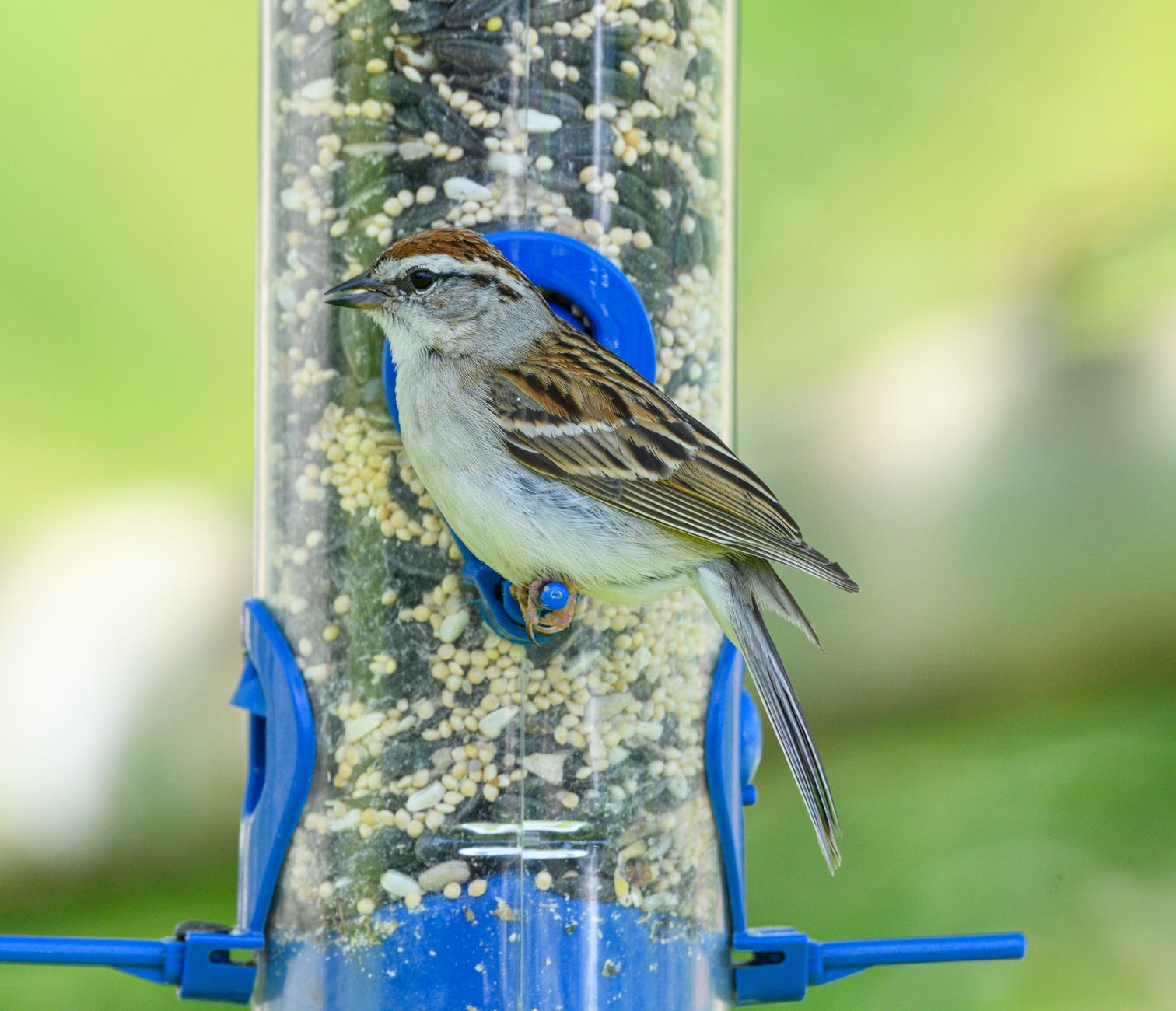
Choosing the right bird seed feels straightforward until you’re standing in the store facing twelve different bags and zero useful guidance. After that, you either grab something random or give up entirely — and your feeders sit empty while the birds visit your neighbor instead.
This list cuts through that confusion. Each seed below was selected based on three criteria: which bird species it attracts, how much waste it produces, and whether it offers genuine value across the US, UK, and Australian backyard bird populations. Whether you’re setting up your first feeder or trying to pull in more variety, this guide gives you a clear answer on the best bird seed for backyard birds — organized so you can act on it today.
1. Black Oil Sunflower Seeds — The Best All-Around Pick
If you could only buy one type of bird seed, this is it. Black oil sunflower seeds have thin shells that almost every seed-eating bird can crack — from small finches to larger cardinals and grosbeaks. The seed itself is high in fat and protein, which makes it valuable year-round but especially critical during colder months when birds need extra energy to maintain body temperature overnight.
What separates black oil from striped sunflower is shell thickness. Striped sunflower seeds take more effort to open, which limits the species that can feed from them. Black oil gives you broader appeal with less wasted effort for the birds — and faster turnover at the feeder means you see more activity throughout the day.
Best for attracting:
- Cardinals and house finches (US)
- Blue tits and chaffinches (UK)
- Crimson rosellas and king parrots (Australia)
- Chickadees, nuthatches, and woodpeckers
Feeder compatibility: Tube feeders, hopper feeders, platform feeders
One downside: sunflower shells accumulate quickly under feeders and can inhibit grass growth over time. Hulled sunflower chips solve this completely — no mess, no shells, and birds feed faster since they skip the cracking step. Chips cost roughly 20–30% more per pound but produce virtually zero waste, which often makes them cheaper per actual serving.
2. Nyjer (Thistle) Seed — Top Choice for Finches
Nyjer seed — sometimes called thistle, though it’s technically not related to the common thistle plant — is the go-to for attracting finches. Goldfinches, pine siskins, and common redpolls are drawn to it almost exclusively when it’s available.
The seed is tiny, which means it requires a specialized feeder with small ports to prevent spillage. A standard tube feeder will dump Nyjer all over the ground within an hour. Invest in a proper Nyjer sock or finch tube feeder and you’ll see results within days.
Why Finch-Watchers Love It
Nyjer is one of the few seeds that brings in large flocks reliably. Eight goldfinches on a single feeder at once is a normal Saturday morning if your setup is right. It’s also one of the most squirrel-resistant seeds available — squirrels don’t find it palatable, which means more seed actually reaches the birds.
Nyjer goes rancid faster than most seeds, especially in humid climates or during summer heat. Buy in smaller quantities — 3 to 5 lbs at a time — and store it in a sealed container between refills. If birds suddenly stop visiting a feeder that was busy the week before, stale Nyjer is almost always the reason. Tip the feeder out, refill with fresh stock, and activity resumes within 24 hours.
Best for attracting:
- American and lesser goldfinches (US)
- European goldfinches and siskins (UK)
- Double-bar finches (Australia)
3. Safflower Seeds — The Squirrel Deterrent
Safflower seeds are white, slightly bitter, and disliked by most squirrels and grackles — two of the most persistent feeder nuisances in North America. That bitterness is the point. Safflower passes through most squirrel feeding sessions untouched, which means less refilling and more seed reaching the birds you’re actually trying to attract.
Cardinals love safflower. So do mourning doves, chickadees, and house finches. Starlings and grackles typically avoid it, which means your feeder population shifts noticeably toward more desirable species within a week or two of switching.
A Smart Transitional Strategy
If your current mixed seed is pulling in aggressive or invasive species and you want to reset the dynamic, don’t switch cold. Replace 50% of the mix with safflower for two weeks, then move to 100%. Birds that were there for cheaper fillers may leave. That’s the intended outcome — the species you actually want to attract will stay and increase in number.
Safflower works well in hopper feeders, platform feeders, and tray feeders. Avoid tube feeders with small ports — the round seeds don’t flow smoothly and clog regularly. A wide-mouth hopper feeder gives you the best combination of visibility and access for the species safflower tends to pull in.
Best for attracting:
- Northern cardinals and mourning doves (US)
- House sparrows (will eat it, but far less aggressively than with cheaper mixes)
- Less commonly available in UK and Australia, so check local suppliers before planning around it
4. White Proso Millet — Essential for Ground Feeders
White proso millet is the seed that ground-feeding birds actually want. Sparrows, juncos, doves, and towhees spend most of their time on or near the ground, and millet scattered on a low platform or directly on bare ground draws them in reliably — often within hours of setting it out.
The problem with most cheap mixed seed bags is that they’re loaded with red millet, milo, and wheat — filler seeds that most birds kick aside to reach what they actually want. White proso millet is what birds are digging through those mixes to find. Buying it separately eliminates the waste almost entirely.
Setting Up a Ground Station
A low platform feeder — 6 to 12 inches off the ground — keeps millet accessible to ground feeders while reducing the chance of wet seed clumping. Scatter a thin, even layer rather than piling it deep. Birds feed faster, the seed stays fresher, and you’ll get a clearer sense of how much your yard population actually consumes.
In areas with heavy rainfall, check the tray daily. Wet millet molds within 48 hours and can make birds sick. During rainy stretches, reduce the amount you put out and refresh it more frequently rather than leaving a large quantity to sit.
Best for attracting:
- Dark-eyed juncos and song sparrows (US)
- Reed buntings and yellowhammers (UK)
- Zebra finches and diamond doves (Australia)
- Doves and quail across all three regions
Storage tip: Millet absorbs moisture quickly. An airtight container — even a basic resealable bucket — extends shelf life significantly compared to leaving it in an open bag.
5. Peanuts — High Energy for Larger Birds
Peanuts are calorie-dense, protein-rich, and attract some of the most visually striking birds you’ll encounter at a backyard feeder. Jays, woodpeckers, nuthatches, and magpies all take to them enthusiastically. They’re also one of the best options for keeping larger birds occupied at a dedicated station while smaller birds feed undisturbed nearby.
You can offer peanuts in two forms: whole in-shell for larger birds like blue jays, or shelled peanut pieces accessible to a wider range of species. Both work well. Shelled pieces in a mesh feeder give you the broadest appeal and the best visibility — watching a nuthatch work through a mesh feeder headfirst is one of the better reasons to set up a backyard feeding station.
The Aflatoxin Warning
This matters more than most seed guides acknowledge: peanuts are susceptible to aflatoxin mold, which is toxic to birds at low concentrations. Always buy peanuts labeled specifically for bird feeding — these are tested to different standards than peanuts sold for human consumption. Never offer salted, roasted, or flavored peanuts. Replace uneaten peanuts after two days of wet weather, full stop. The risk isn’t theoretical — aflatoxin contamination has been documented as a cause of bird die-offs at poorly maintained feeding stations.
In the UK, peanuts in mesh feeders are one of the most well-established feeding setups. Great tits, blue tits, and greenfinches work them particularly well, and a busy peanut feeder in an English garden is a genuine winter spectacle. In Australia, peanuts can attract rainbow lorikeets and currawongs, though prioritizing native food sources is always the better long-term strategy for supporting local ecosystems.
Best for attracting:
- Blue jays and red-bellied woodpeckers (US)
- Great tits and great spotted woodpeckers (UK)
- Laughing kookaburras and currawongs (Australia)
6. Premium Mixed Seed Blends — When Convenience Wins
Not everyone wants to manage five separate seed types and five different feeders. A quality premium blend takes the guesswork out while still delivering meaningful results. The key word is premium — cheap mixes are mostly filler that ends up on the ground uneaten, attracting rodents and rotting into the soil.
A quality blend will list black oil sunflower, white millet, and safflower as the first three ingredients. If the label leads with milo, red millet, or wheat, put it back on the shelf.
What to Look for on the Label
- Sunflower (black oil or hulled) as the primary ingredient by weight
- White millet — not red millet
- No artificial dyes or coatings — these add nothing and can be harmful
- No corn unless you specifically want to attract crows, jays, or ducks
Premium blends cost more per pound than basic mixes, but because birds eat a higher percentage of what’s in the bag and waste less on the ground, the effective cost per bird-feeding session is often competitive. Wagner’s, Kaytee, and Cole’s are widely available US brands with strong reputations. In the UK, RSPB-endorsed blends offer a reliable baseline and are formulated for native species. In Australia, look for blends from avian specialists rather than general pet retailers — the species profile is different enough that a US or UK formulation isn’t always a match.
Comparison Table: Bird Seeds at a Glance
| Seed Type | Top Species Attracted | Feeder Type | Squirrel Resistance | Mess Level |
|---|---|---|---|---|
| Black Oil Sunflower | Cardinals, finches, tits | Tube, hopper, platform | Low | Medium |
| Nyjer/Thistle | Goldfinches, siskins | Nyjer sock, finch tube | High | Low |
| Safflower | Cardinals, doves, chickadees | Hopper, platform | High | Low |
| White Proso Millet | Sparrows, juncos, doves | Ground tray, platform | Low | Low |
| Peanuts (shelled) | Jays, woodpeckers, tits | Mesh feeder | Medium | Low |
| Premium Blends | Broad variety | Hopper, platform | Varies | Medium |
Top Picks Summary
Quick-start recommendations based on your goal:
- Best single seed: Black oil sunflower — works everywhere, attracts almost everything
- Best for finches: Nyjer seed in a proper finch feeder
- Best squirrel deterrent: Safflower seed
- Best for ground birds: White proso millet on a low platform
- Best for variety without effort: Premium blend with sunflower as the first ingredient
- Best high-energy option: Shelled peanuts in a mesh feeder
The most effective backyard setup uses two or three of these together. A sunflower tube feeder, a Nyjer sock, and a low platform with millet will cover the majority of bird species across North America, the UK, and Australia without creating a maintenance headache.
Seasonal adjustments matter too. High-fat options like sunflower and peanuts become more important in winter, when birds burn more calories overnight. In spring and summer, protein becomes the priority as birds are nesting and feeding young — millet and peanut pieces both deliver well here. Shifting your mix slightly by season keeps your feeders relevant year-round rather than stagnant.
Start with black oil sunflower if you’re buying just one bag — then build from there as you observe which species visit your yard. The birds will tell you exactly what they want. Fresh seed makes a measurable difference, so check the packaging date before you buy and aim for bags with at least six months remaining on the shelf life.
Frequently Asked Questions
What makes black oil sunflower seeds the best choice for backyard birds?
Black oil sunflower seeds have thin shells that almost every seed-eating bird can crack, combined with high fat and protein content. They attract a broader range of species and provide critical energy for birds year-round, especially during colder months.
What’s the difference between black oil and striped sunflower seeds?
Striped sunflower seeds have thicker shells requiring more effort to crack, limiting the species that can feed from them. Black oil seeds crack more easily, offering broader appeal and faster feeder turnover.
How do I prevent mess from sunflower seed accumulation under feeders?
Hulled sunflower chips eliminate the shell problem completely. Birds feed faster without the cracking step, and there’s no shell accumulation to inhibit grass growth.


