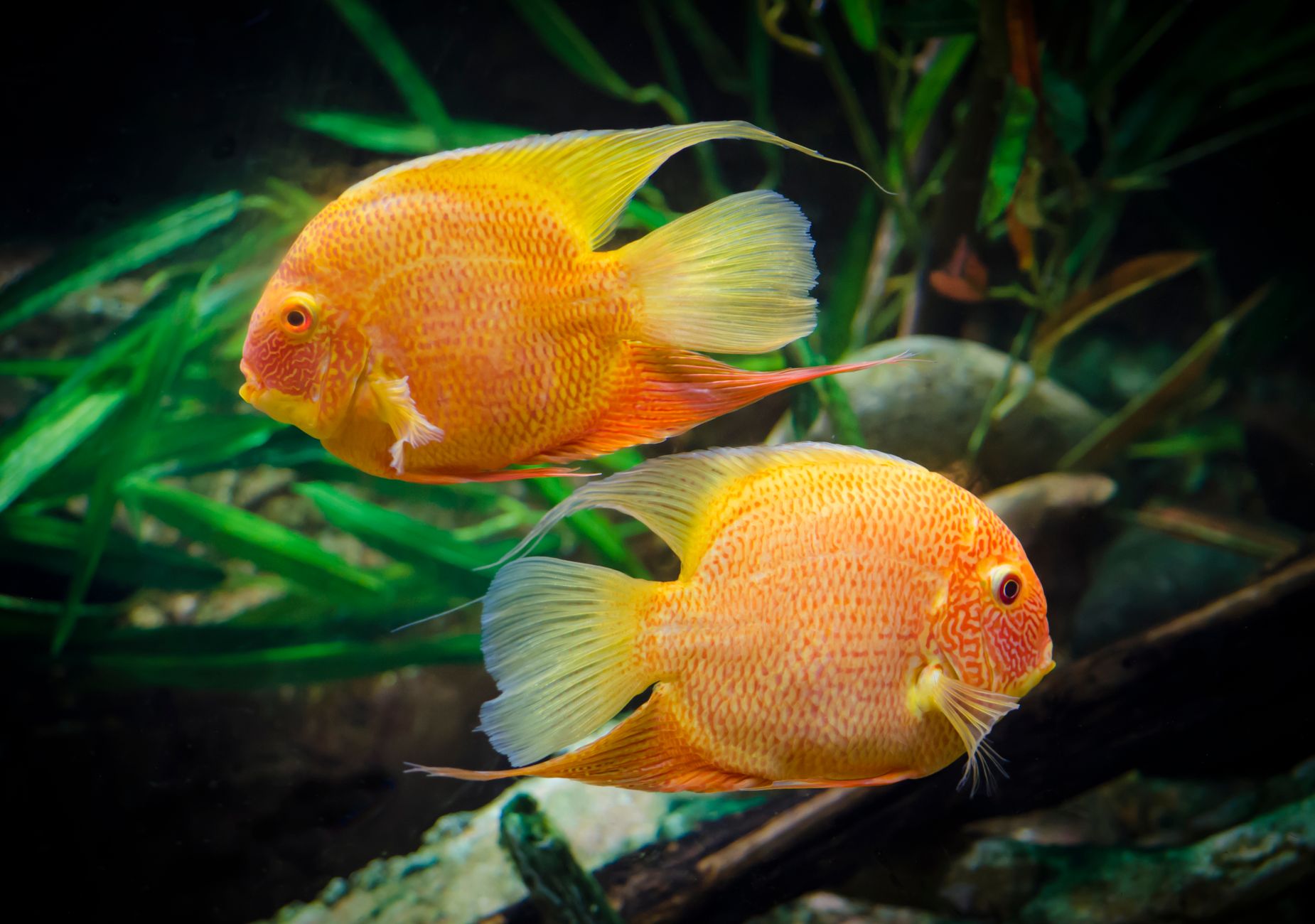
What do you actually need to set up a fish tank? A tank, a filter, a heater, a light, a substrate, and water conditioner — that’s the core list. But knowing which ones to buy, what size to get, and in what order to do things? That’s where most beginners stall out. This best beginner fish tank setup guide answers the real questions people search before they buy a single piece of equipment.
What Size Fish Tank Should a Beginner Start With?
The instinct is to go small — a 5-gallon nano tank feels manageable. But small tanks are actually harder to keep stable. Water parameters swing faster, temperature fluctuates more, and ammonia spikes happen quicker. One dead snail can crash your whole cycle overnight.
The sweet spot for beginners is 20 gallons (75–80 litres). It gives you enough water volume to buffer mistakes, fits comfortably on a standard desk or shelf, and opens up a wide range of fish options. A 10-gallon is an acceptable second choice, but it limits what you can stock significantly.
Is a 10-gallon or 20-gallon tank better for beginners?
Here’s the honest breakdown:
- 10-gallon: Cheaper upfront, easier to find used, but harder to maintain stable water chemistry. Works well for bettas kept alone or a small shrimp colony.
- 20-gallon long: More forgiving, better fish variety, worth the extra cost for most people starting out.
If you’re torn, go with the 20. You’ll thank yourself in six months.
Should I buy a tank kit or build my own setup?
Tank starter kits are perfectly reasonable for beginners. The Aqueon Aquarium Starter Kit 20 and the Fluval Flex 32.5 bundle the filter, lid, and light, which takes the guesswork out of compatibility. The Marina LED Aquarium Kit is a budget-friendly option that holds up well. The tradeoff is that the included filter is often just adequate — not great. Many hobbyists replace it within the first year.
Building your own setup gives you better components from the start — you can pair an AquaClear 50 with an Eheim Jager heater and a Finnex Planted+ light — but it requires more research. For a true first tank, a kit is the practical choice.
What Equipment Do You Actually Need for a Fish Tank?
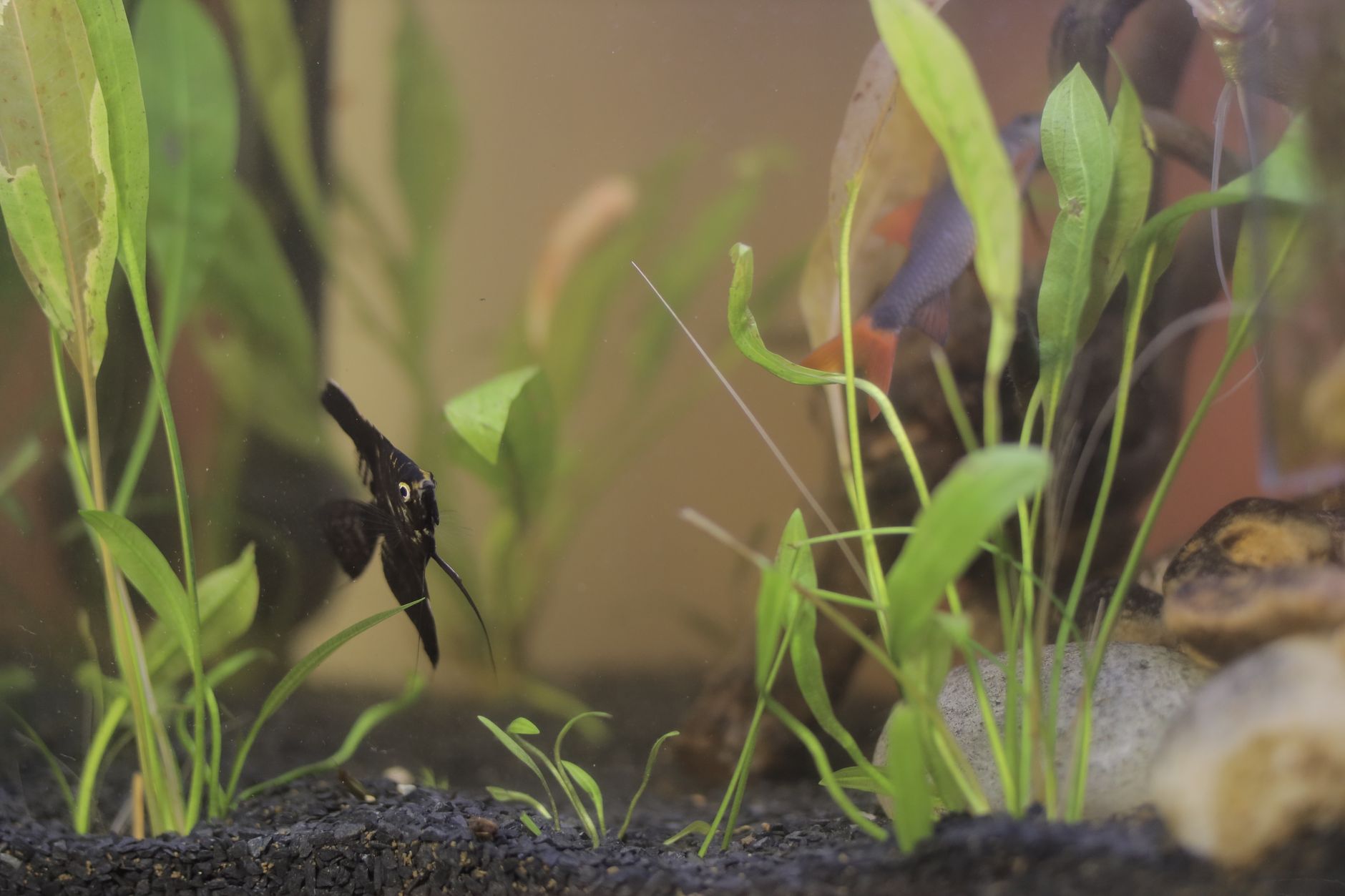 Foto: Dream_ maKkerzz
Strip away the marketing, and here’s what your tank genuinely cannot function without:
- Filter — removes waste, houses beneficial bacteria, and keeps water circulating
- Heater — essential for tropical fish (most popular beginner species need 24–27°C / 75–80°F)
- Thermometer — don’t trust the heater’s dial; use a separate digital thermometer
- Light — for live plants and fish health; also puts the tank on display properly
- Substrate — gravel or sand that lines the bottom; also supports plant roots
- Water conditioner — dechlorinates tap water before it goes in the tank (Seachem Prime is the gold standard)
- API Freshwater Master Test Kit — liquid test kits are far more accurate than strips
That’s your complete functional setup. Everything else — decorations, caves, driftwood, CO2 systems — is optional, though some of it becomes important once you add live plants.
Do I need a heater for a freshwater tank?
If you’re keeping tropical fish — which includes most popular species like tetras, guppies, rasboras, corydoras, and danios — yes, absolutely. Room temperature in most homes is too variable and often too cool for tropical species long-term.
The only exception is cold-water fish like goldfish or certain loaches. Goldfish actually do better without a heater and prefer cooler water around 18–22°C (65–72°F).
A good rule of thumb: 50 watts per 10 gallons, but always buy slightly oversized. An undersized heater struggles to maintain temperature during colder months. The Eheim Jager and Fluval E Series are reliable choices that hold temperature within ±0.5°C — cheap heaters often swing by 2–3 degrees and slowly cook your fish.
What filter should a beginner get?
Look for a filter rated for at least 1.5x your tank size. For a 20-gallon, get a filter rated for 30–40 gallons. Flow rate matters, but so does the filter media inside.
The three main types:
- Hang-on-back (HOB): Easiest to maintain, good for most beginners — AquaClear 50 and Seachem Tidal 35 consistently outperform cheaper options
- Canister: More powerful and quieter, better for larger tanks or planted setups — the Fluval 207 handles up to 45 gallons
- Sponge filter: Cheap, gentle on small fish and fry, often used as a backup or in breeding tanks
For a first tank, a quality HOB filter is your best call.
How Do I Cycle a New Fish Tank Before Adding Fish?
This is the step most beginners skip — and it causes more fish deaths than anything else.
Cycling establishes a colony of beneficial bacteria in your filter that converts toxic ammonia (from fish waste) into nitrite, and then into the much less harmful nitrate. Without this bacterial colony, a new tank will poison your fish within days. Ammonia above 0.25 ppm causes gill damage; above 2 ppm, it’s lethal within 24–48 hours depending on species size and water temperature.
The process takes 4–8 weeks in a fish-in cycle, or as little as 2–3 weeks if you use a fish-less cycle with ammonia drops.
How do you do a fish-less cycle?
- Set up your tank with water, filter running, heater at temp
- Add pure ammonia (unscented, no surfactants) to reach 2–4 ppm
- Test every 2–3 days with your liquid test kit
- When ammonia and nitrite both read 0 and nitrate is rising, your cycle is complete
- Do a large water change (50–70%) to drop nitrate before adding fish
You can speed this up significantly by adding a handful of established filter media from a friend’s tank, or using bottled bacteria like Tetra SafeStart Plus or Dr. Tim’s One & Only. Seeded media cuts cycling time in half — borrow a sponge from an existing tank if you can.
What does “the cycle” actually look like?
In the first week, ammonia climbs. By week two, nitrite starts rising as the first bacteria colony establishes. Around week three to five, nitrite drops and nitrate climbs. When ammonia hits 0 and nitrite hits 0 within 24 hours of dosing ammonia, you’re cycled.
Don’t rush it. Adding fish before the cycle completes means watching them struggle through ammonia and nitrite spikes. Even after stocking, adding too many fish at once can trigger a “mini cycle” — a brief spike as the bacteria population catches up to the new bioload. Add fish in small groups and retest your water for a week after each addition.
What Are the Best Fish for a First Tank?
 Foto: Cihan Yüce
Certain species are simply more forgiving of the small mistakes every new fishkeeper makes — temperature fluctuations, slight parameter shifts, overfeeding. Start here:
| Fish | Tank Size | Temp (°F) | Difficulty | Notes |
|---|---|---|---|---|
| Neon Tetra | 10+ gal | 72–78 | Easy | School of 6+ minimum |
| Platy | 10+ gal | 70–80 | Very Easy | Hardy, peaceful, colorful |
| Corydoras Catfish | 20+ gal | 72–78 | Easy | Bottom cleaner, school of 4+ |
| Zebra Danio | 10+ gal | 65–77 | Very Easy | Tolerates cooler water |
| Betta Fish | 5+ gal | 76–82 | Easy | Keep alone; males are aggressive |
| Harlequin Rasbora | 10+ gal | 72–77 | Easy | Beautiful schooling fish |
| Guppy | 10+ gal | 72–82 | Very Easy | Breed prolifically — be prepared |
Avoid goldfish in a 20-gallon — they need 30+ gallons per fish and produce massive waste. Skip most cichlids until you have a year of experience; even “beginner” species like convicts can be destructive and aggressive.
Stock slowly — add a few fish, wait two weeks, test your water, then add more. A 20-gallon community tank can support around 10–15 small fish (under 2 inches), but overstocking crashes water quality fast and compounds any beginner mistakes.
Do I Need Live Plants in My Fish Tank?
You don’t need them, but they make your life easier. Live plants absorb ammonia and nitrate, compete with algae for nutrients, reduce stress for fish by providing cover, and make the tank look genuinely beautiful.
For beginners, start with hardy, low-maintenance species:
- Java Fern — attaches to rocks and wood, thrives in low light, nearly impossible to kill
- Anubias — slow-growing, tolerates low light, doesn’t need CO2 or special substrate
- Amazon Sword — tall background plant, looks lush, does well in standard gravel
- Java Moss — spreads easily, provides hiding spots for fry and shrimp
- Water Sprite — fast-growing floater that soaks up excess nutrients and creates surface shade
You don’t need CO2 injection or a high-powered light for any of these. A standard LED light running 8–10 hours a day is enough. Drop a few Seachem Flourish root tabs under your Amazon Swords every three months — they’ll reward you with noticeably lusher growth.
If you go with fake plants, choose silk over plastic. Hard plastic edges damage fins, especially on bettas.
How Do I Maintain a Fish Tank Without It Becoming a Full-Time Job?
 Foto: sasif awan
A healthy, properly cycled tank with a good filter and moderate stocking requires around 30–45 minutes per week. Here’s what that actually looks like:
Weekly tasks:
- Water change — 20–30% of tank volume, treated with conditioner
- Vacuum the substrate with a gravel siphon during the water change
- Wipe down the glass if algae is visible
- Test nitrate levels (target under 20 ppm before water change)
Monthly tasks:
- Rinse filter media in old tank water (never tap water — you’ll kill the bacteria)
- Check heater calibration with your thermometer
- Trim live plants if needed
Feeding: Once or twice a day, only what fish can eat in 2–3 minutes. Overfeeding is the single most common cause of water quality problems. Uneaten food decays, drives ammonia up, and triggers algae blooms. When in doubt, feed less.
Also watch your fish. Clamped fins, unusual hiding, gasping at the surface, or listless movement are your early warning system — they’ll tell you something’s wrong before your test kit does. A tank that looks and smells clean but has fish acting odd usually has a water quality problem worth testing for.
How often do I need to change the water?
For a lightly stocked 20-gallon with live plants: 25% once a week is a solid routine. For a heavily stocked tank or one without plants: 30–40% twice a week to keep nitrates in check. Test your water regularly until you know your tank’s rhythm.
Ready to Set Up Your First Tank?
Start with a 20-gallon tank kit, add a quality hang-on-back filter, a reliable heater, a digital thermometer, and a bottle of Seachem Prime. Run the cycle before you touch a fish store. Add hardy plants like Java Fern and Anubias to give your fish cover and your water natural filtration. Stock slowly, test your water weekly, and you’ll have a thriving tank within a couple of months.
The biggest mistake beginners make isn’t buying the wrong equipment — it’s rushing. Give the cycle time to complete, introduce fish gradually, and keep your water change schedule consistent. Everything else is details.
Pick up an API Freshwater Master Test Kit before you buy any fish, commit to weekly water changes, and you’re already ahead of most new fishkeepers. Your first tank is closer than you think.
Frequently Asked Questions
What size fish tank should a beginner start with?
The sweet spot for beginners is 20 gallons (75–80 litres). It provides enough water volume to buffer mistakes and opens up more fish options than smaller tanks.
Is a 10-gallon or 20-gallon tank better for beginners?
A 20-gallon long is more forgiving with better fish variety and stable water chemistry. A 10-gallon is cheaper but harder to maintain and works best for bettas or shrimp colonies.
Should I buy a tank kit or build my own setup?
Starter kits like Aqueon and Fluval remove compatibility guesswork, though included filters are often just adequate. Building your own setup gives better components from the start.


