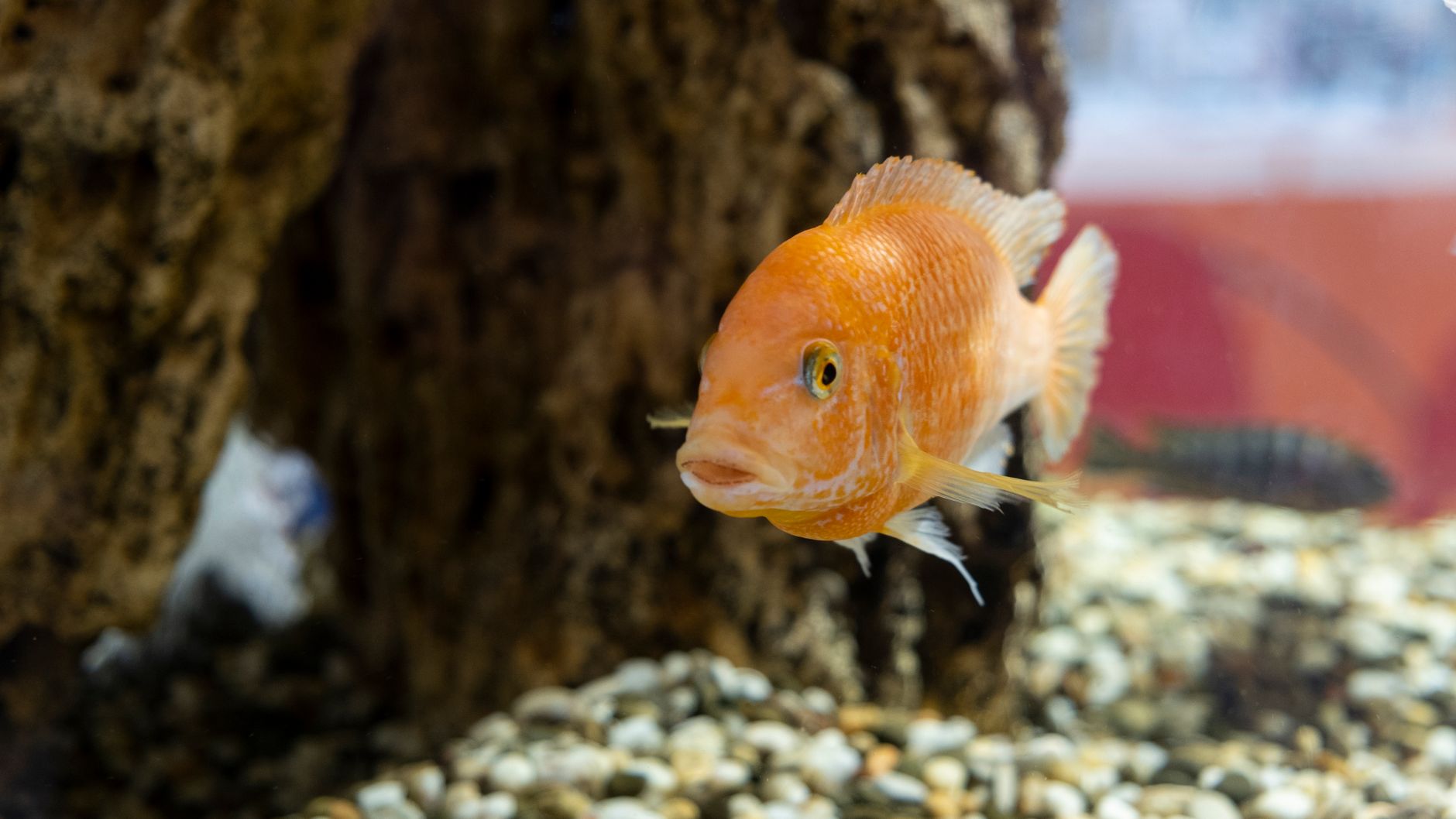
Setting up your first aquarium is genuinely satisfying — but it’s also one of the fastest ways to burn through money on avoidable mistakes. This list was built around one question: what do beginners actually need to know to succeed the first time? Each entry covers a core pillar of a healthy tank, ranked in the order you should tackle them. Skip one and the whole system suffers. Follow them in sequence and you’ll have a thriving aquarium within weeks.
1. Choose the Right Tank Size for Your Space and Budget
The single most common beginner mistake is starting too small. A 5-gallon “starter” tank looks manageable but is actually harder to maintain than a 20-gallon one. In a small volume of water, temperature swings faster, toxins spike quicker, and there’s almost no margin for error.
For most beginners, a 20-gallon long tank is the sweet spot. It’s affordable, widely available, and gives you enough water volume to keep parameters stable while still fitting on most stands or desks. If space is genuinely limited, a 10-gallon can work — but you’ll need to be more disciplined about water changes.
One thing beginners consistently overlook: weight. A fully set up 20-gallon tank with water, substrate, and decorations weighs close to 225 lbs. Make sure your stand or furniture can handle it before you fill it up.
What to look for when choosing a tank:
- Rectangular shapes maintain better surface area for gas exchange than tall or curved tanks
- Glass tanks resist scratching better than acrylic long-term
- Starter kits (tank + lid + light + filter) are cost-effective but check that the included filter is adequate for the tank size
How Tank Size Affects Fish Selection
Bigger tanks open up more stocking options. A 20-gallon can house a small school of tetras, some corydoras, and a centerpiece fish like a betta or a dwarf gourami. A 10-gallon is really only suitable for nano fish, a single betta, or shrimp.
Don’t overstock. The old “one inch of fish per gallon” rule is outdated and oversimplified. Instead, research the specific fish you want and their bioload before buying anything.
2. Pick a Filtration System That Matches Your Tank
 Foto: Peter Dyllong
Filtration is the backbone of a healthy aquarium. It does three things: removes physical waste (mechanical filtration), breaks down toxic ammonia into less harmful compounds (biological filtration), and in some cases removes dissolved chemicals (chemical filtration). You need all three.
For a 20-gallon beginner tank, a hang-on-back (HOB) filter rated for at least 1.5× your tank volume per hour is a solid choice. So for 20 gallons, look for a filter rated at 30 GPH minimum — ideally higher. Brands like Aquaclear, Seachem Tidal, and Fluval have strong reputations in the hobby.
Types of filters and their trade-offs:
| Filter Type | Best For | Pros | Cons |
|---|---|---|---|
| Hang-on-back (HOB) | Beginners, 10–55 gal | Easy to set up, easy to maintain | Can be noisy |
| Canister | Larger tanks, 40+ gal | Very powerful, quiet | More expensive, complex setup |
| Sponge filter | Shrimp, fry, nano tanks | Gentle flow, cheap | Limited capacity |
| Internal filter | Small tanks under 10 gal | Compact | Takes up interior space |
Don’t Neglect Biological Media
The bacteria that convert ammonia to nitrite to nitrate live on your filter media — not in the water column. Ceramic rings, bio balls, and foam sponges all work well; what matters is surface area. The more porous the media, the more bacteria it hosts. When you clean the filter, rinse media in used tank water (never tap water) to preserve that bacterial colony. Replacing all media at once can crash your cycle and kill your fish.
3. Cycle the Tank Before Adding Any Fish
This step gets skipped more than any other, and it’s the leading cause of new-tank fish deaths. “Cycling” means establishing a colony of beneficial bacteria in your filter that can process the ammonia fish produce as waste. Without it, ammonia builds to toxic levels within days.
The nitrogen cycle takes 4–8 weeks to complete from scratch. You can speed it up significantly by adding a bottle of live beneficial bacteria (Tetra SafeStart, Fritz Turbo Start, or API Quick Start are widely available) and using a small amount of fish food or pure ammonia as a bacterial food source during the process.
For fishless cycling with pure ammonia, target 2–4 ppm to start. Dose every two to three days and test daily. When ammonia and nitrite both drop to zero within 24 hours of dosing, your cycle is complete.
How to know your tank is cycled:
- Ammonia: 0 ppm
- Nitrite: 0 ppm
- Nitrate: detectable (below 20 ppm for most community fish)
- Test with a liquid test kit, not strips — strips are notoriously inaccurate
Fishless Cycling vs. Fish-In Cycling
Fishless cycling is more humane and recommended for beginners. You dose ammonia to feed the bacteria without subjecting any fish to toxic conditions. Fish-in cycling is possible but requires daily water changes and close monitoring — it’s stressful for the fish and stressful for you.
If you’re in a hurry, ask your local fish store if they can give you a piece of used filter media or a handful of substrate from an established tank. Seeding your new tank this way can cut cycling time to under a week.
4. Get Lighting Right — for Fish and Plants
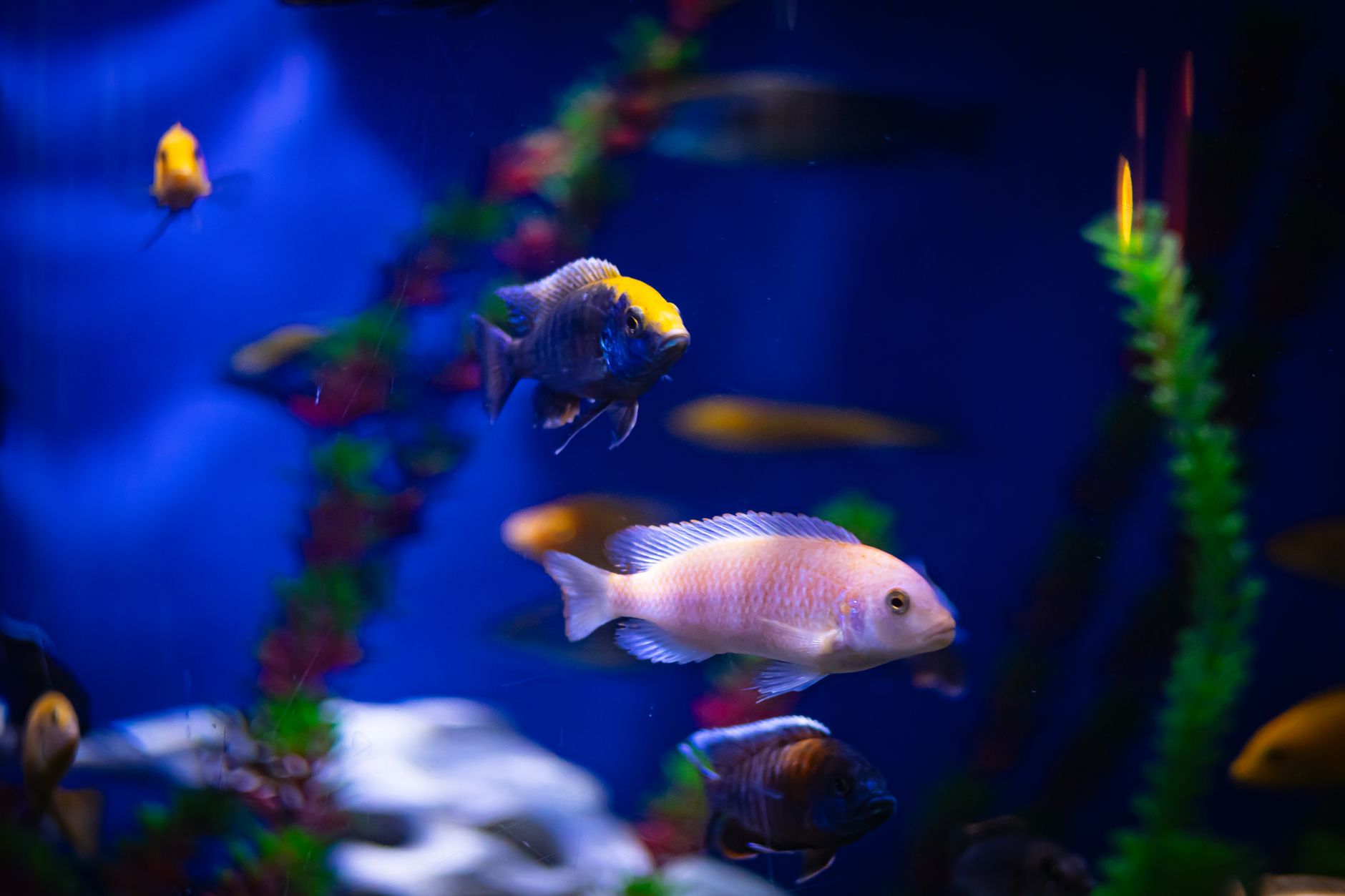 Foto: Miguel Del Angel Villegas
Aquarium lighting affects fish behavior, plant growth, and algae control. Most beginner tanks do fine with basic LED lighting that comes with a starter kit, but understanding what your livestock needs helps you avoid problems down the line.
Fish-only tanks with plastic decorations need minimal light — just enough to see and appreciate your fish, typically 6–8 hours per day. If you’re planning a planted tank, you’ll need a full-spectrum LED rated for planted aquariums (brands like Fluval Plant Spectrum and Nicrew ClassicLED Plus are popular entry-level choices). For low-tech planted tanks, aim for a fixture delivering 20–30 PAR at substrate level — anything higher without CO2 injection accelerates algae before plants can use the extra light.
Common lighting mistakes:
- Leaving the light on 12+ hours daily — this accelerates algae growth dramatically
- Using a light that’s too intense for the tank depth
- Skipping a timer (a $10 outlet timer saves you from algae blooms and inconsistent photoperiods)
Should Beginners Do Planted Tanks?
Live plants make aquariums more stable — they absorb ammonia and nitrates, oxygenate the water, and give fish cover. They do add complexity, but the right plant selection removes most of that friction. Start with low-tech, low-light plants like java fern, anubias, java moss, and hornwort. These don’t need CO2 injection or specialty fertilizers, and they’re nearly impossible to kill. Hornwort in particular grows aggressively and pulls nitrates out of the water column fast — useful during and after cycling.
5. Choose Beginner-Friendly Fish (and Research Before You Buy)
The fish aisle at a pet store is full of beautiful fish that have no business being in a beginner tank. Many are sensitive to water quality, grow too large, or are aggressive toward tankmates. Twenty minutes of research before every purchase will save you money and heartbreak.
Best fish for beginner community tanks:
- Neon or ember tetras — peaceful, colorful, easy to keep in schools
- Corydoras catfish — excellent bottom cleaners, social and hardy
- Guppies — colorful, adaptable, breed readily
- Platies — similar to guppies, slightly larger, very forgiving of water conditions
- Zebra danios — fast, hardy, great for cycling
- Dwarf gouramis — beautiful centerpiece fish, but buy captive-bred to avoid disease
Fish to avoid as a beginner:
- Goldfish (need cold water, massive bioload, grow large)
- Common plecos (grow to 18 inches)
- Oscars and other large cichlids
- Discus (extremely sensitive to water parameters)
If your budget allows, keep a spare 5–10 gallon tank as a quarantine vessel. New fish should sit in quarantine for two weeks before entering your display tank. This single habit prevents most disease introductions — ich, velvet, and bacterial infections spread fast in a community tank, and treating a full tank is far harder than treating one fish in isolation.
The Betta Question
Bettas are sold in tiny cups and marketed as low-maintenance, but they deserve proper housing. A single betta in a 5–10 gallon heated, filtered tank thrives. They cannot be kept with other bettas, and male bettas will attack fish with flowing fins — endlers, male guppies, and fancy-tail platies are common casualties. Bettas are a great beginner fish with the right setup. A 10-gallon betta tank with a sponge filter, a heater set to 78°F, and a few anubias plants is one of the most achievable and visually rewarding starter builds in the hobby.
6. Build a Consistent Water Maintenance Routine
 Foto: Maheshwar Reddy
A healthy aquarium isn’t a set-and-forget system. Regular maintenance keeps the nitrogen cycle stable, prevents disease, and keeps your fish looking their best. Once you establish a routine, it takes about 20–30 minutes per week.
Weekly maintenance checklist:
- Test water: ammonia, nitrite, nitrate, pH
- 20–30% water change using a gravel vacuum to remove waste from substrate
- Top off evaporated water (use dechlorinated water at the same temperature as the tank)
- Wipe algae from glass with an aquarium scraper
- Check that all equipment is functioning (filter flow, heater, lights)
Monthly tasks:
- Rinse filter media in used tank water
- Trim live plants if applicable
- Deep-clean any decorations with algae buildup
Temperature matters more than most beginners expect during water changes. Adding water that’s 5°F colder than your tank shocks fish and can trigger ich outbreaks. Fill a bucket the same size as your water change volume, treat it with dechlorinator, and let it sit at room temperature for 30 minutes — or match it to tank temperature using warm tap water and a thermometer before adding it.
Water Conditioner Is Non-Negotiable
Tap water contains chlorine and chloramine — both deadly to fish and the beneficial bacteria in your filter. Always treat new water with a dechlorinator like Seachem Prime or API Stress Coat before adding it to the tank. Prime is particularly useful because it also temporarily detoxifies ammonia and nitrite in emergency situations — handy if you’re dealing with a mid-cycle spike or an overstocked tank before a water change.
Summary: Top Picks for Your First Aquarium Setup
Getting your first tank right comes down to making good decisions at each stage. Here’s the quick version:
- Best starter tank: Fluval Flex 15 or AquaClear 20-gallon kit — both include solid filtration and lighting
- Best filter for beginners: AquaClear 30 (for 20-gallon) or Seachem Tidal 35 — both have excellent biological media capacity
- Best beginner fish combination: 8 neon tetras + 4 corydoras + 1 dwarf gourami in a 20-gallon
- Best bacteria starter: Fritz Turbo Start 700 or Tetra SafeStart Plus — dramatically shortens cycling time
- Best water conditioner: Seachem Prime — versatile, highly concentrated, trusted by the hobby
The aquarium hobby rewards patience. Rush the cycle, overstock too fast, or skip water changes, and problems compound quickly. Take it step by step and you’ll have a tank that’s stable, beautiful, and genuinely fun to maintain.
Pick up a 20-gallon starter kit, grab a bottle of Fritz Turbo Start, and begin your fishless cycle this weekend. Do the research before you buy any fish. Your losses will be minimal, your tank will stabilize faster, and you’ll understand exactly why it’s working — which makes the whole hobby click.
Frequently Asked Questions
What size tank should beginners start with?
A 20-gallon long tank is the sweet spot for most beginners. It’s affordable, maintains stable water parameters better than smaller tanks, and offers enough space for a variety of beginner-friendly fish.
Why is a 5-gallon tank harder for beginners than a 20-gallon?
Small tanks are harder to maintain because temperature swings faster, toxins spike quicker, and there’s almost no margin for error. A 20-gallon provides more water volume for stability.
How much does a fully set up 20-gallon aquarium weigh?
A fully set up 20-gallon tank with water, substrate, and decorations weighs approximately 225 pounds, so your stand or furniture must be capable of supporting this weight safely.


